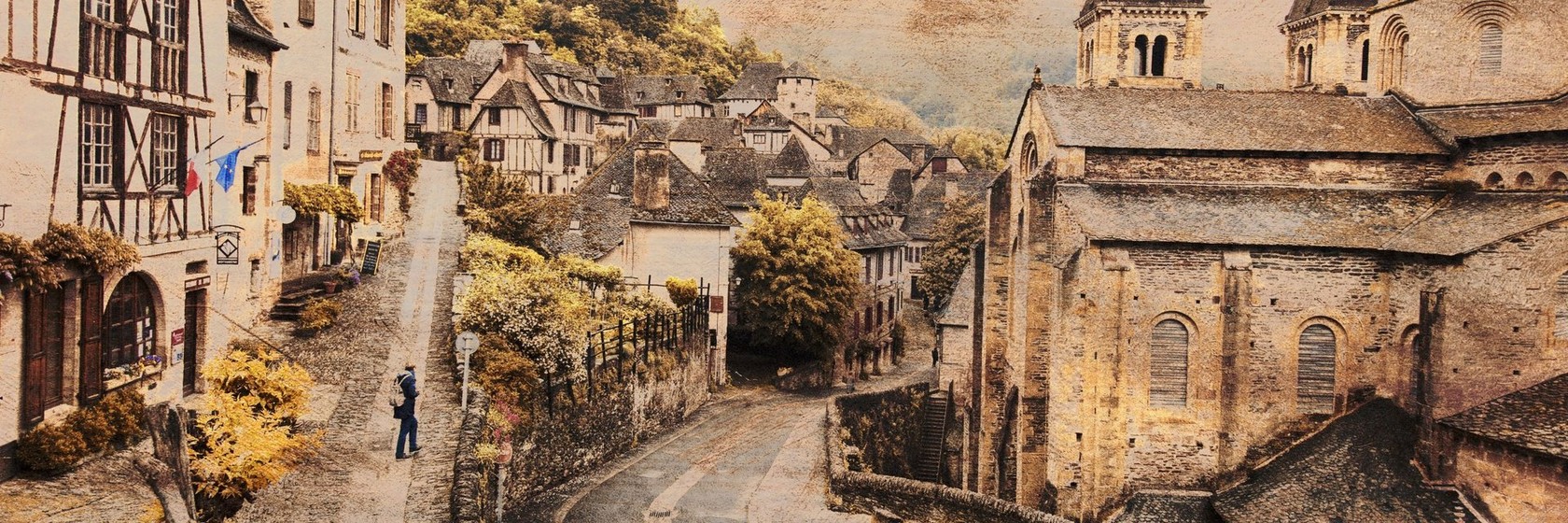
Loire Valley, France
Art and Photography Workshop in France
A week at a stone château in rural France, photographing in the mornings and turning those photographs into paintings in the afternoons. You leave with artwork you made by hand, not a folder of files.
Hosted by Martin and Samantha Lee Osner, father and daughter, working in two very different styles. Five places, six nights, and all your meals at the château.
The booking form opens in a new tab
What this actually is
A working week, not a photo tour
There are no image quotas, no daily critiques where everybody has to present, and no pressure to produce on command. You work at the speed that makes good work.
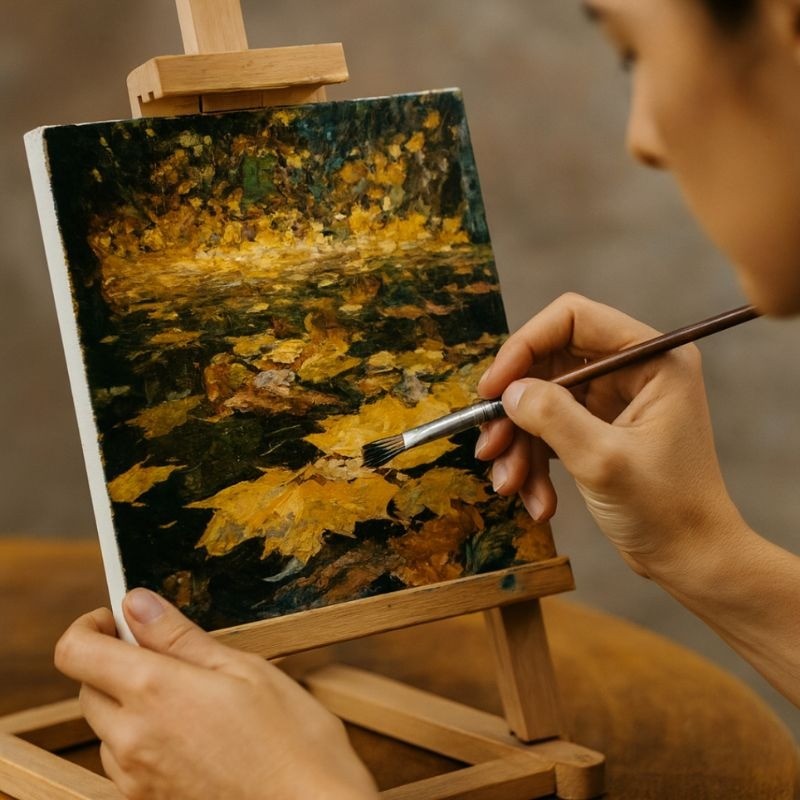
Mornings go out early while the light is soft, into old stone, medieval streets, riverside and forest edge. Middays are studio. Martin takes composition, visual communication and the design thinking behind a picture. Samantha takes the translation, turning your images into physical artwork using the processes we call photo alchemy, pigment ink wash, chromatic oil wash, ink to fibre transfer and brushwork.
“There is a real difference between photographing for a photograph and photographing for a painting.”
Some people finish one strong piece, others finish several. What matters is that it is considered rather than rushed. By the end of the week you have something you made with your hands, that could only have come from this week, this place and this process.
The work itself
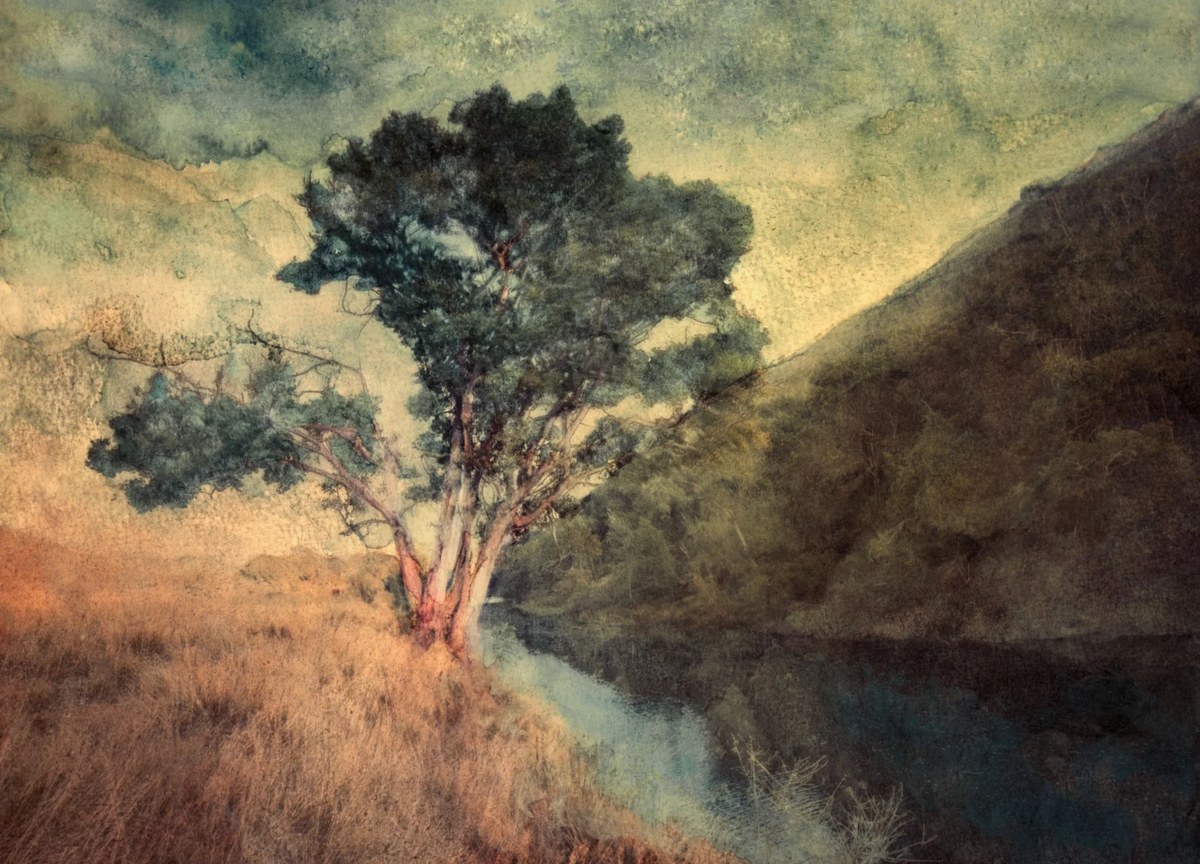
Artworks created using the same photo alchemy techniques you will be taught on this workshop
This is not a promise about France. It is the work Martin and Samantha actually make, using the processes they will teach you at the château. River valleys, old stone, a street in soft light, and a surface that has been worked by hand.
They are deliberately unalike. Samantha works minimal and quiet, letting a lot of the frame stay empty. Martin works expressionist, with bold colour, strong line and heavy texture. Over a week you get both, and most people find they lean one way without meaning to.
Echoes of the Valley
Martin Osner
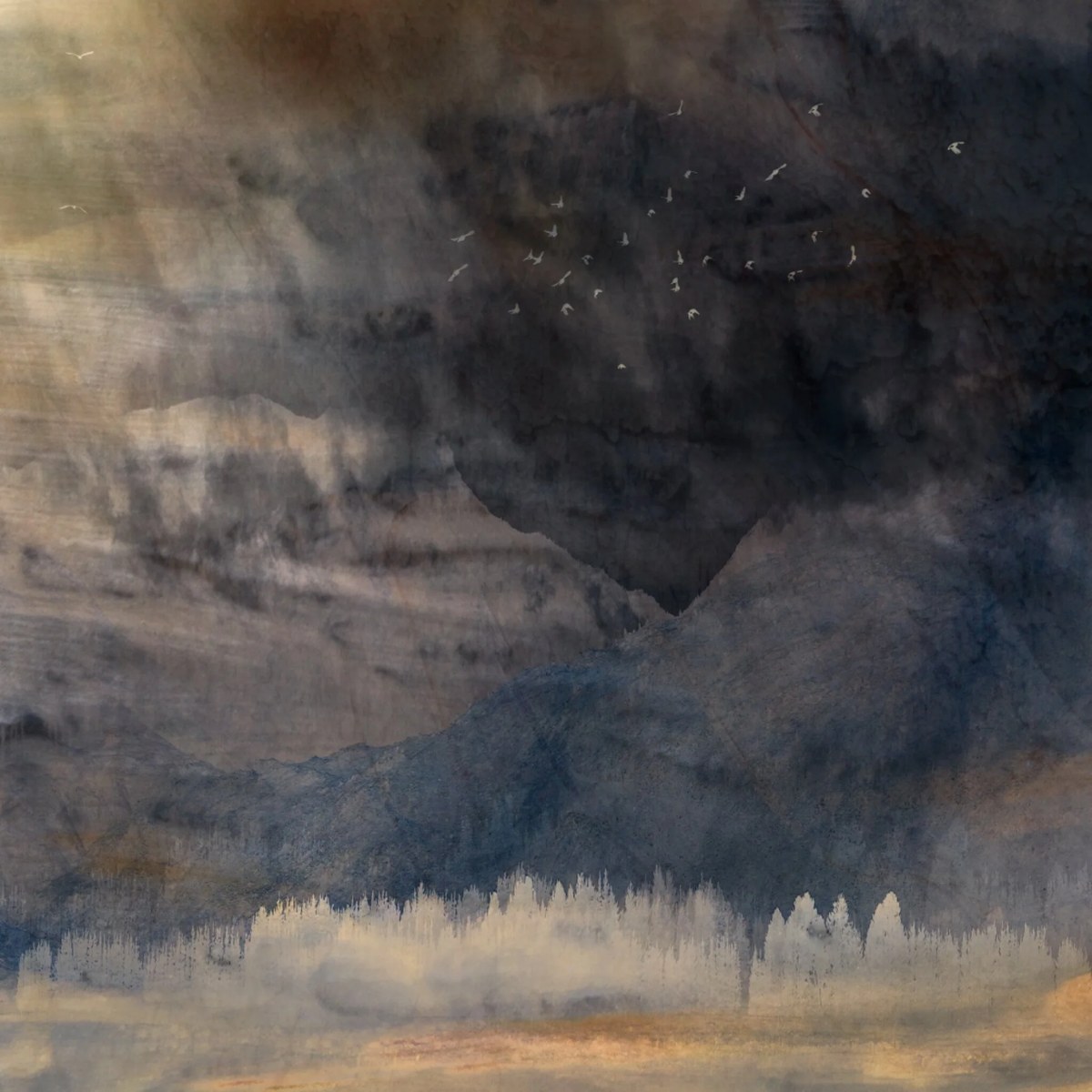
Beau Nexus
Samantha Lee Osner
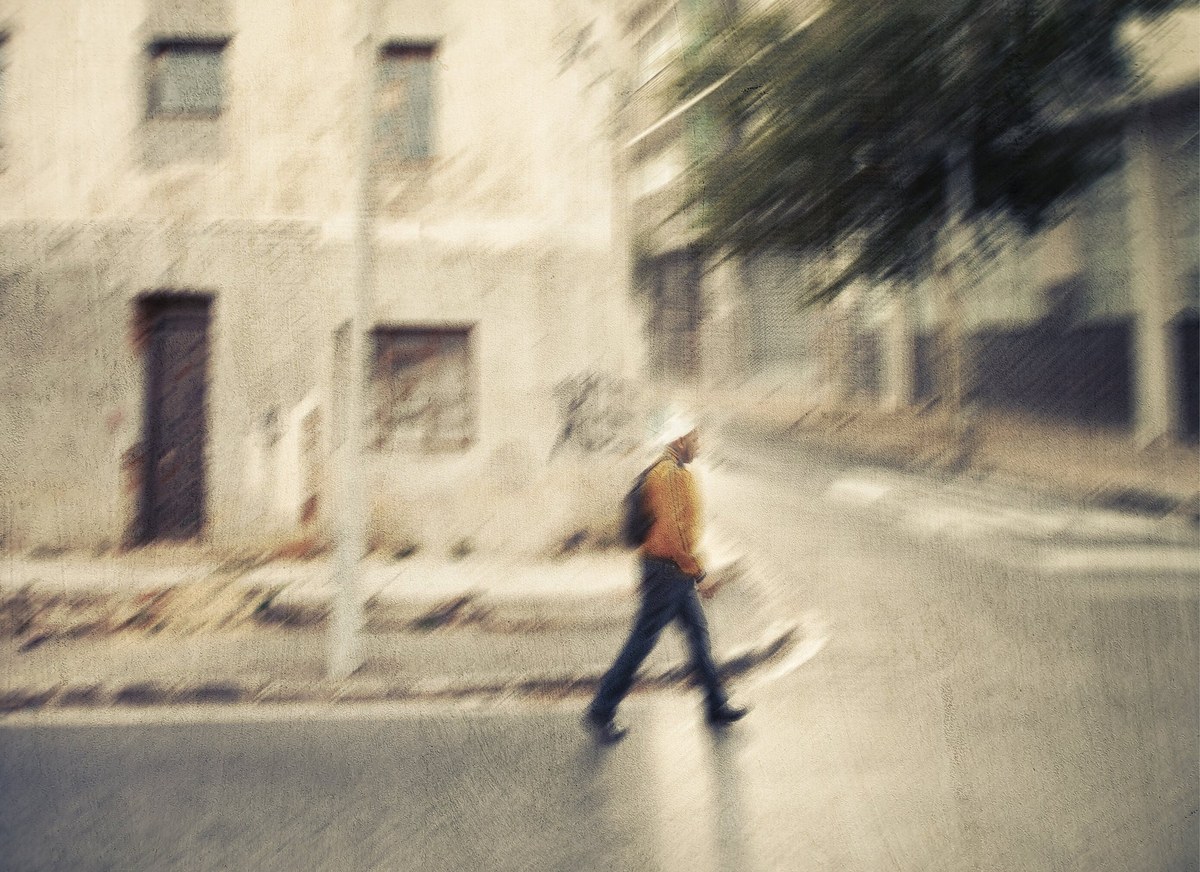
Démodé
Martin Osner
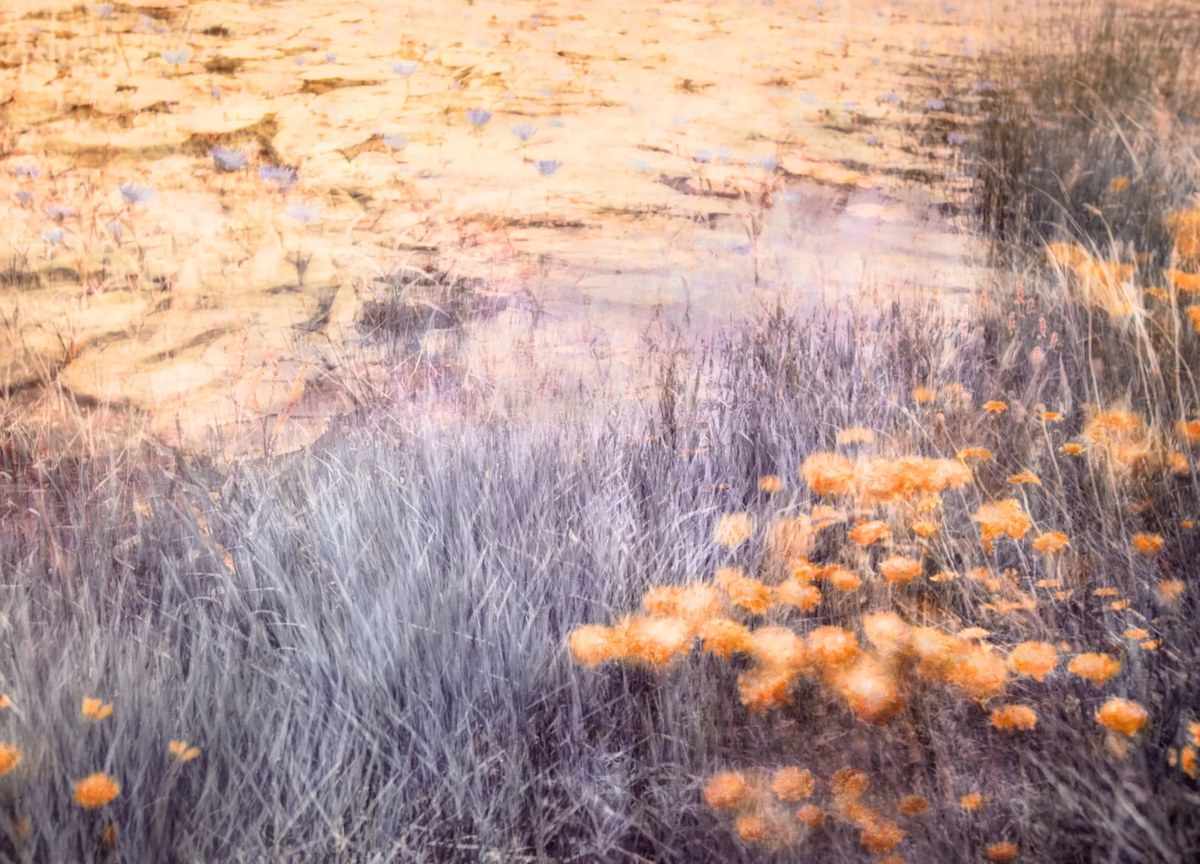
Harmony in Bloom
Samantha Lee Osner
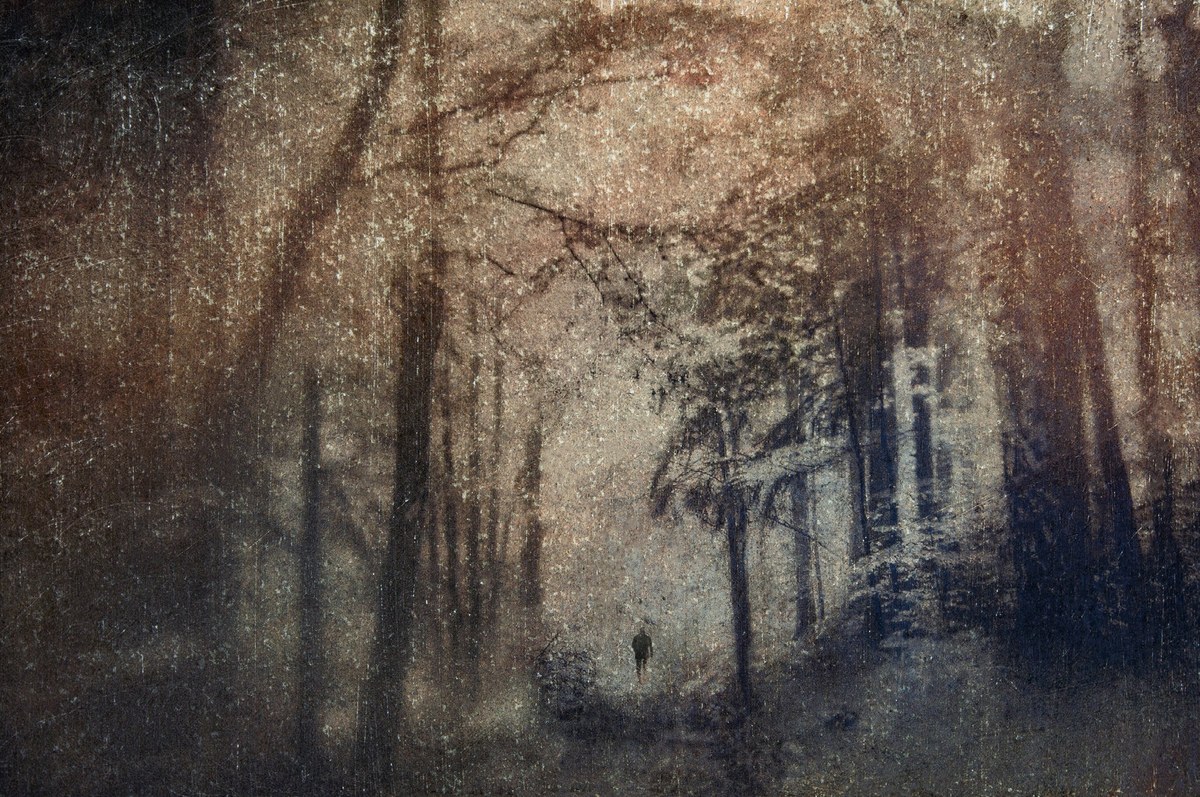
Seclusion
Martin Osner
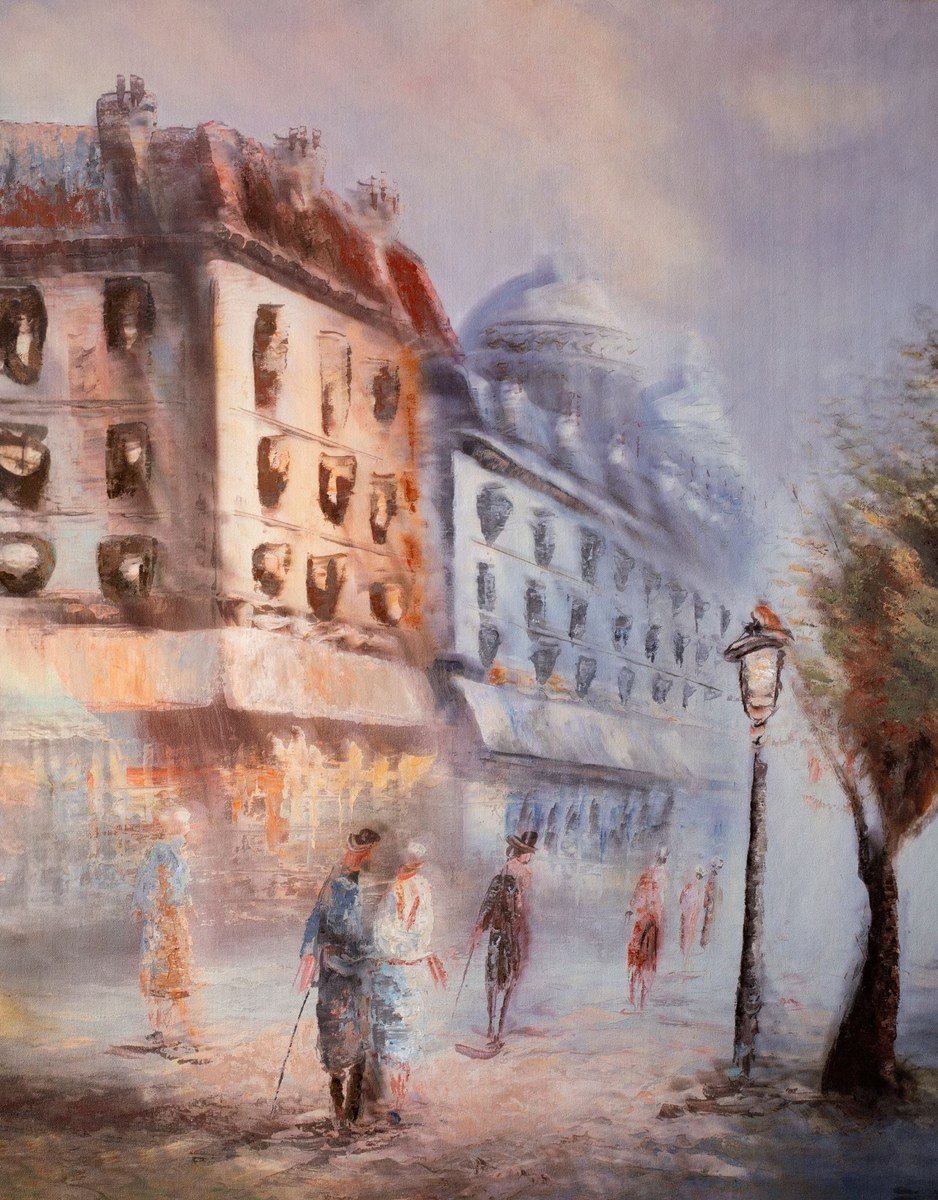
Boulevard Reverie
Samantha Lee Osner
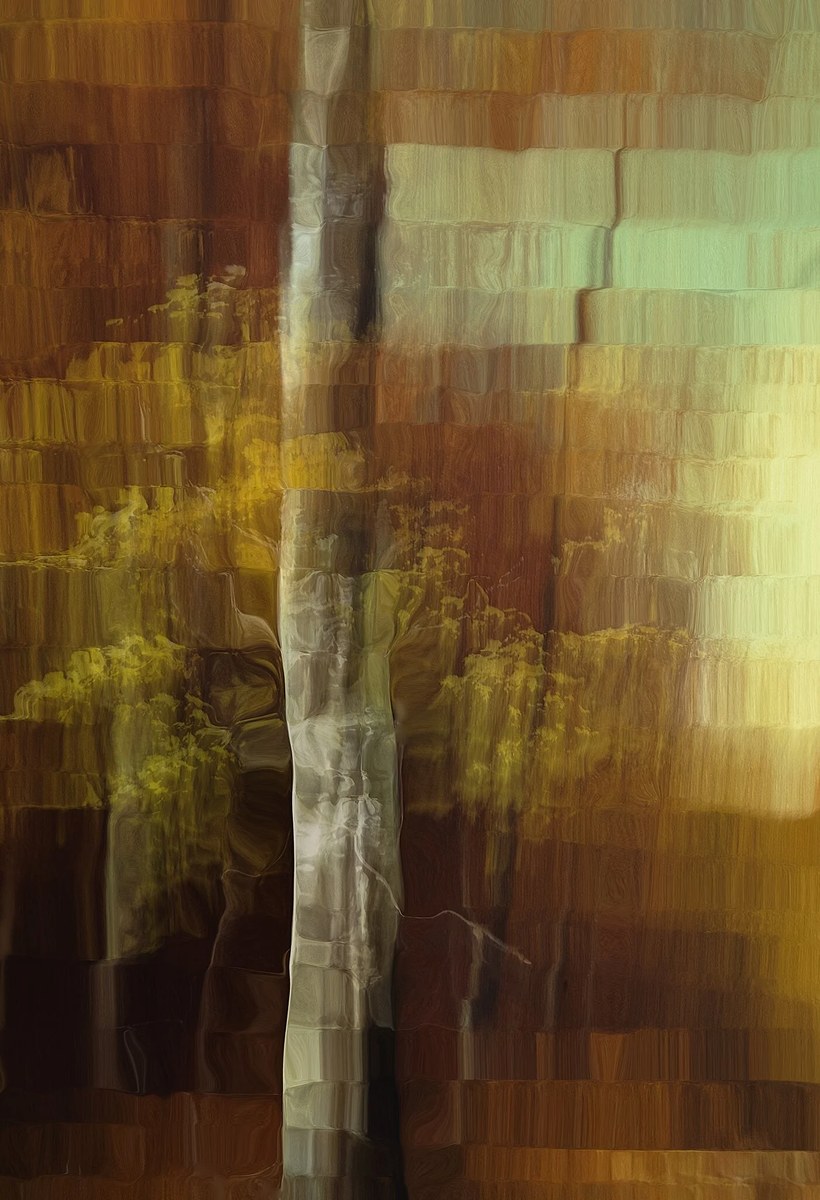
Black Forest
Martin Osner
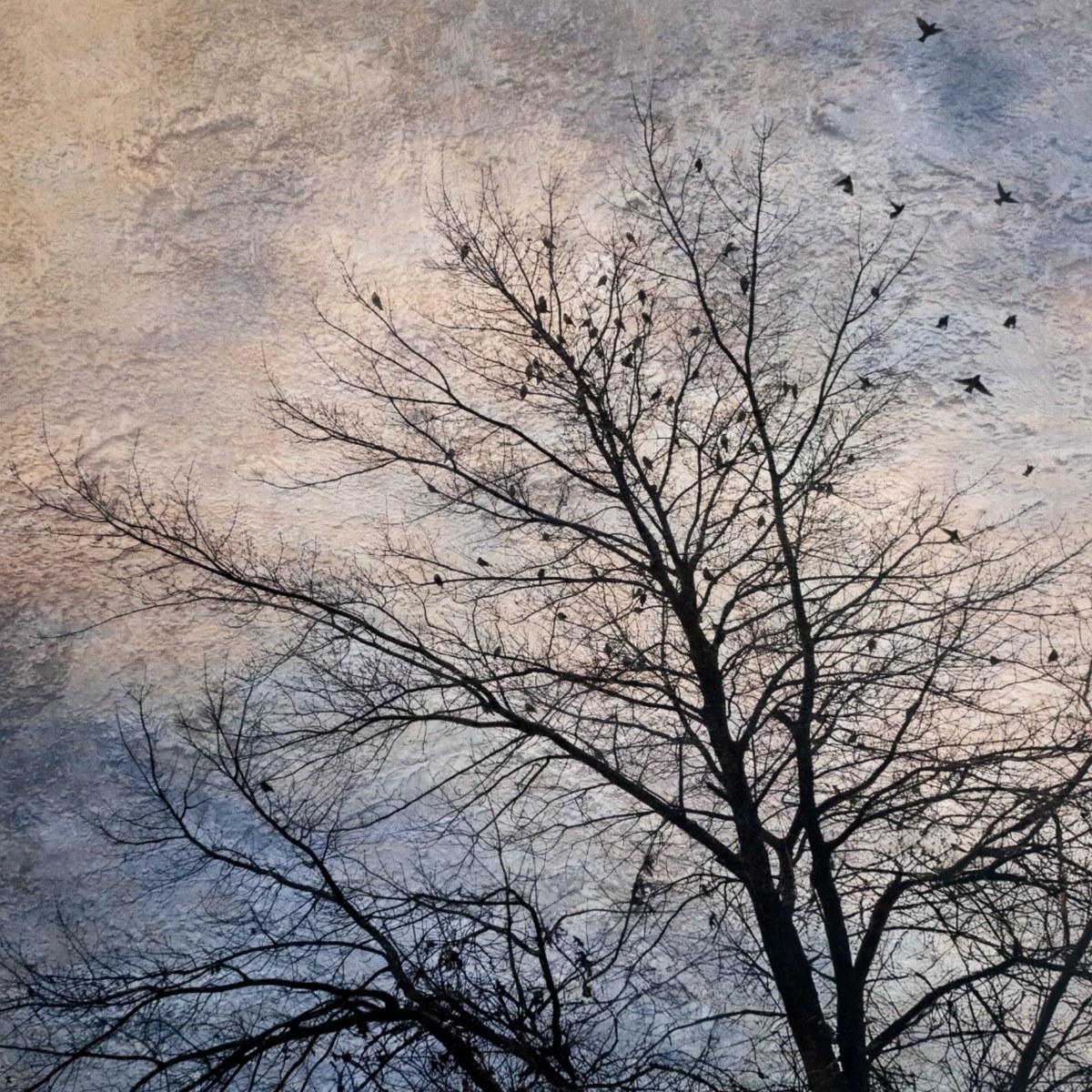
Transcendance
Samantha Lee Osner
September 2027 is the first running of this workshop. It was set for 2026 and moved by a year when flights to Europe became difficult and expensive to commit to. That means there is no gallery of previous guests' work yet, so what you see above is ours rather than theirs. The first group's work will replace it.
The place
Sainte-Sévère-sur-Indre, and the light along the river
The workshop runs from a medieval village on the Indre, in the Centre-Val de Loire region, with narrow streets, a centuries old market square and a château looking down the valley.
If the village seems familiar it may be from the screen. Jacques Tati filmed Jour de Fête here in 1949, and the square he shot in is still the square. This is working French country life rather than a preserved one, which is exactly why it photographs well.
The light is the reason to come in September. Softer than the Mediterranean, more atmospheric, and constantly moving as weather crosses the river valley. Morning mist lifts off the water, stone walls go to warm honey by mid afternoon, and the tower catches the last of it. Around the village there are grassland, forest, orchards, heather and waterways, all close enough to walk or reach in a few minutes.
You will not spend the week in a vehicle. Almost everything is within a short walk or drive of the château, which is the whole point of choosing this village over somewhere more famous.
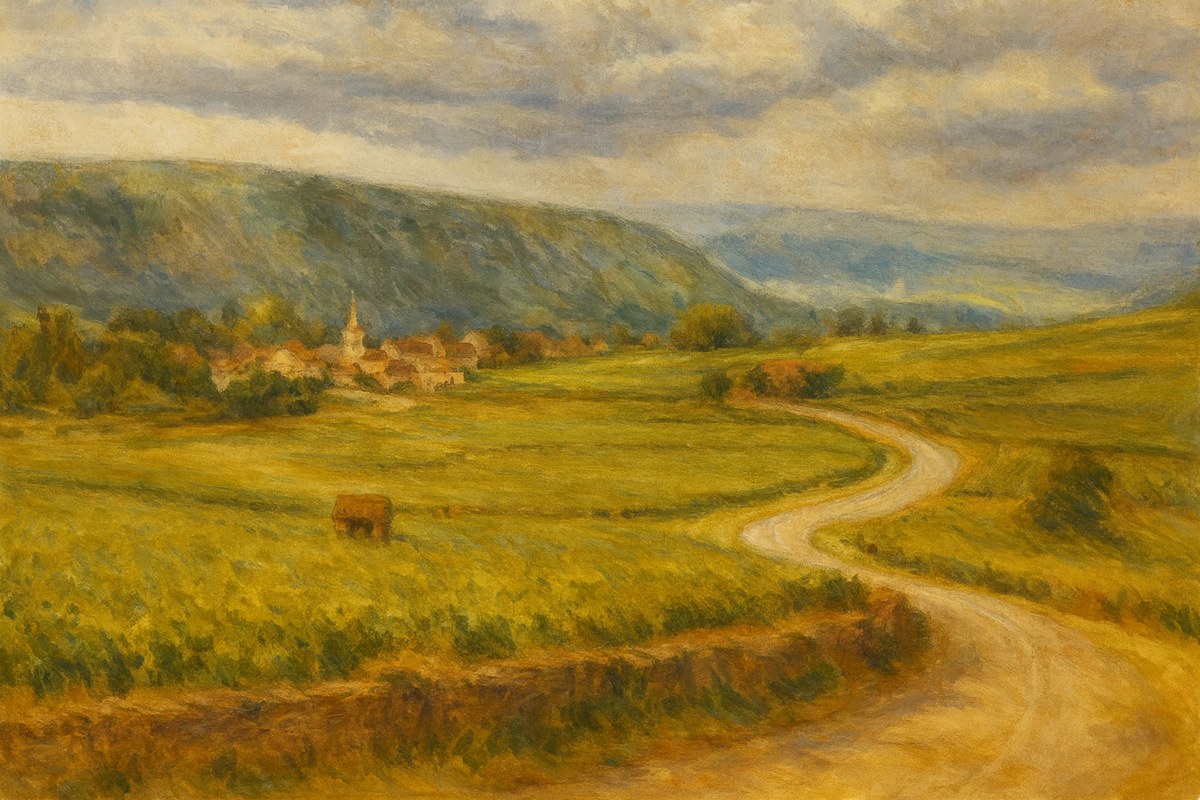
Where you stay
Château de Najade, six nights
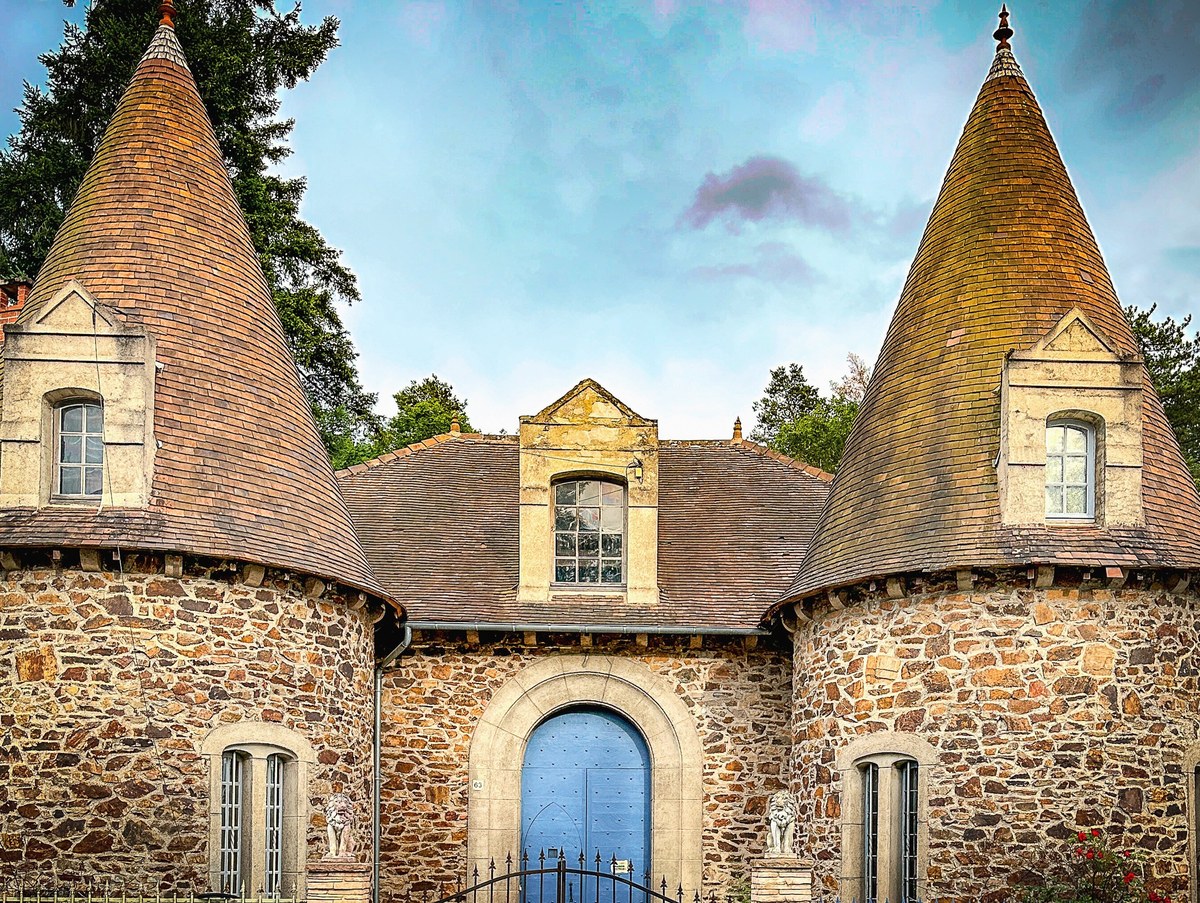
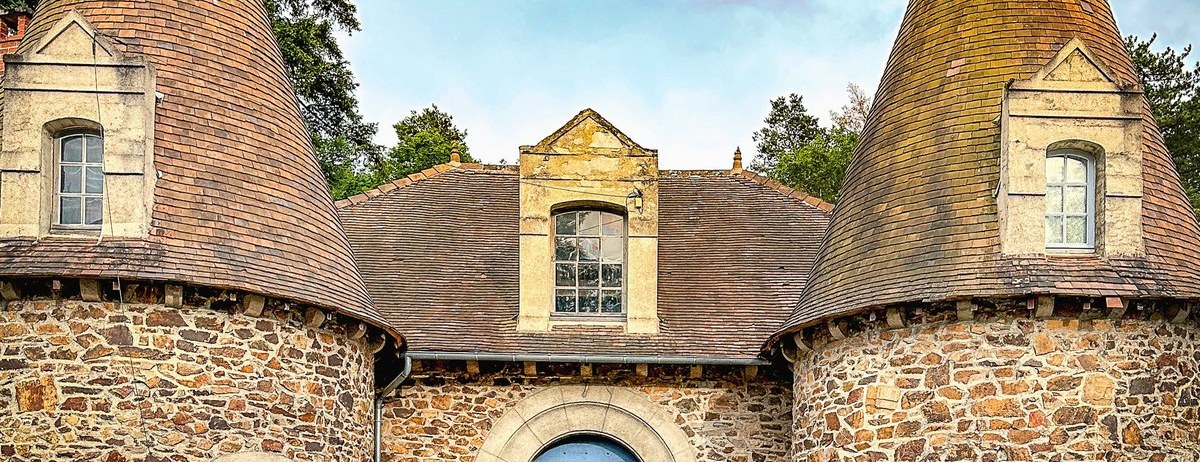
A restored stone château on a wooded bank above a tributary of the Indre, recognisable by its two towers and built from stone quarried in the neighbouring Auvergne.
The restoration is quiet rather than grand. Natural fabrics, glass, and a minimal hand that leaves the woodland doing the talking. It is a comfortable and honest building to work in, which matters more over six nights than any amount of chandelier.
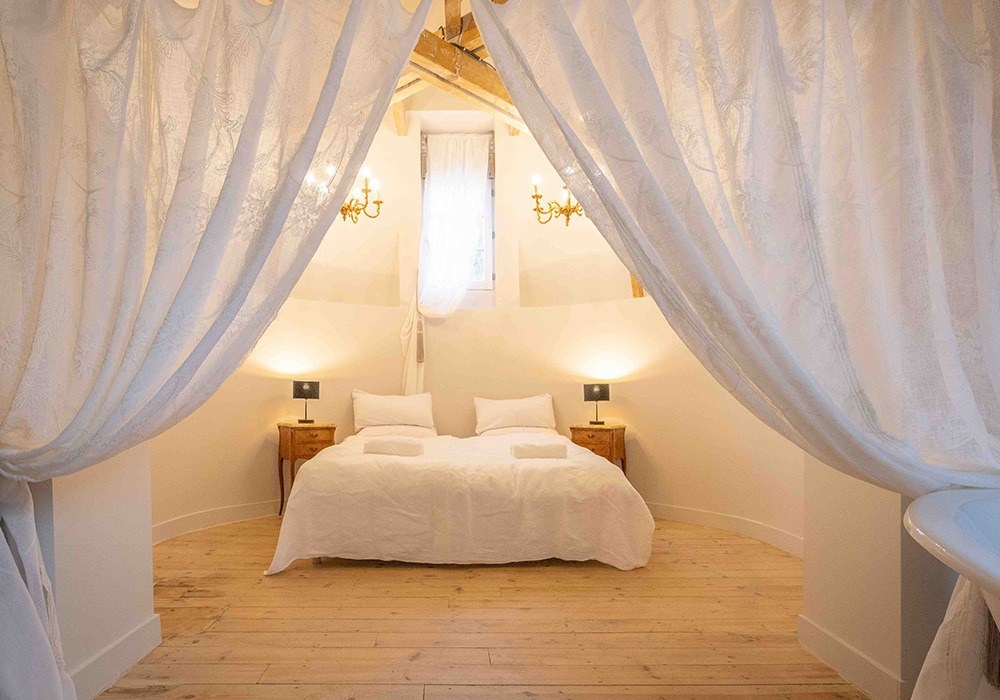
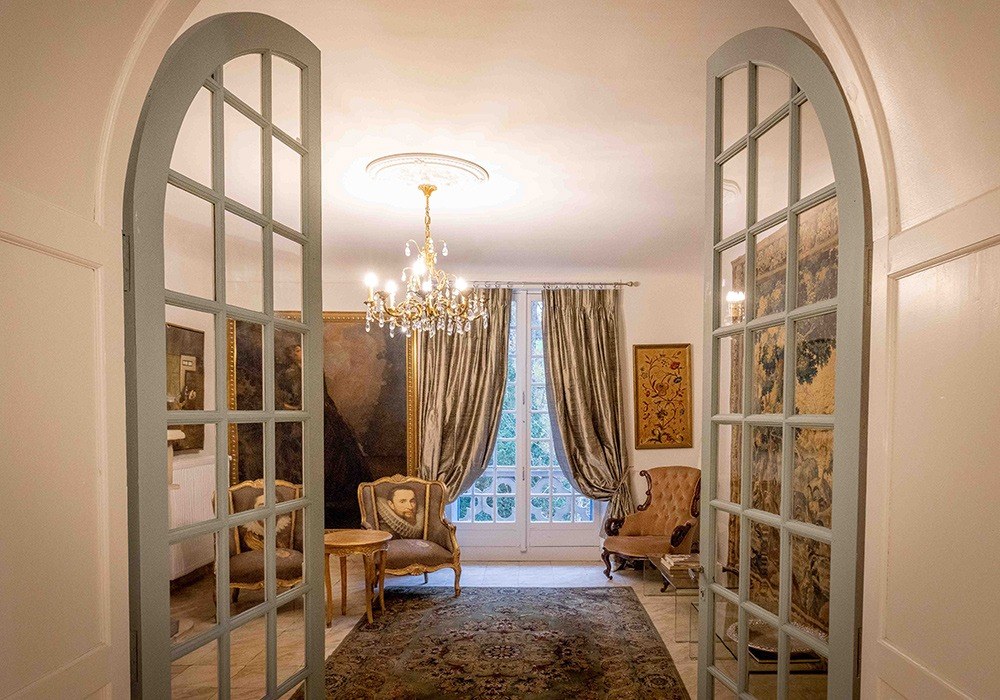
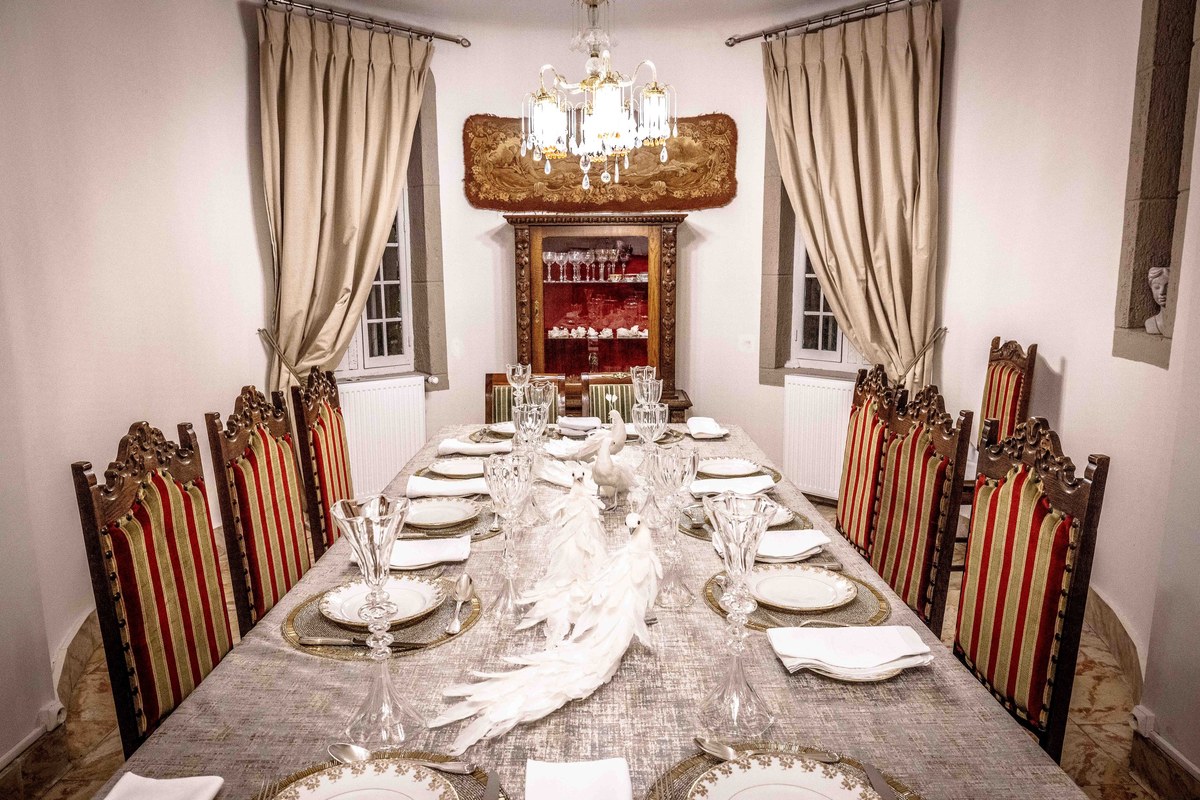
There is an illuminated garden and a pool under old trees, which is where most people end up between working sessions. And you are welcome to come early or stay on afterwards, which many do. Paris, Tours, Orléans and a good many Loire villages are all within easy reach.
The days
The itinerary changes with the light, on purpose
There is no printed schedule to stick to. If the morning is exceptional along the river that is where we go, and if the evening looks promising we move the day around it. Light conditions change mood entirely, and mood is the whole subject.
Out while the light is soft. Old stone, medieval architecture, riverside and forest edge. Shooting with purpose rather than volume.
Studio. Martin on composition, visual communication and design principles. Samantha on turning the images into artwork, pigment ink wash, chromatic oil wash, ink to fibre transfer and selected interlays.
Village architecture, the market, the château grounds and street scenes. Or studio, if the weather turns or your own process needs the interior time.
Late light along the river and out in the fields when conditions are right. Otherwise studio and conversation.
Local cooking from a region known for it, with wines from the Loire and Sancerre. No forced critique, no structured presentations. Talk happens on its own.

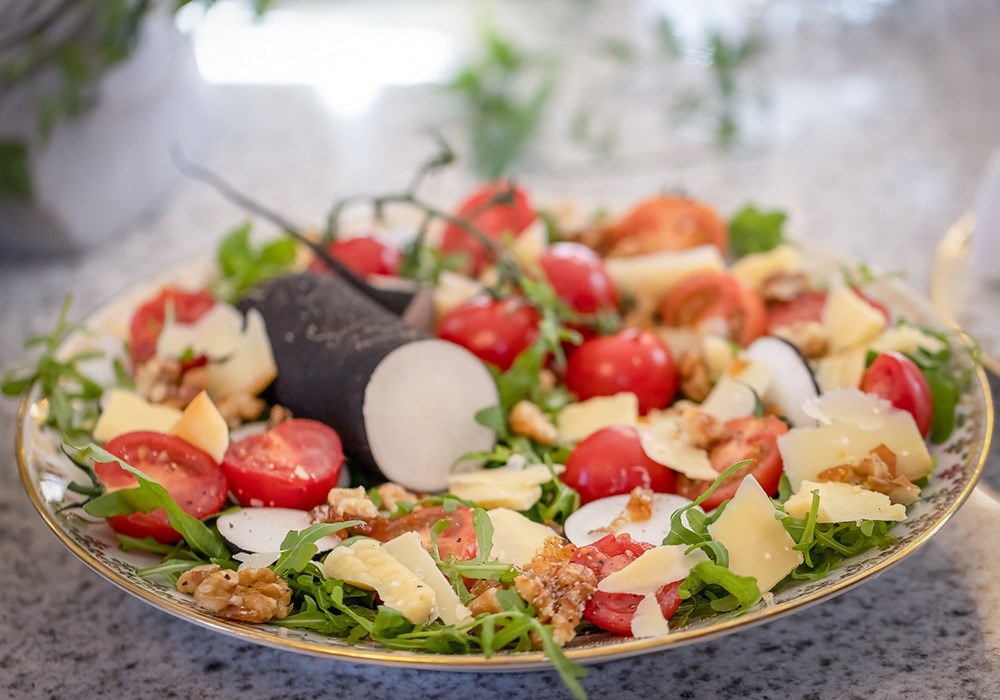
You will not stampede as a group. You are taught, briefed on the day's focus, then given your own creative time to work. Self drives and walks are encouraged, because this is about individual focus rather than eight tripods lined up on the same shot.
Who is this workshop for
For people who want to go beyond photography, into fine art
That is the honest answer, and it covers two quite different people who end up wanting the same thing. Some arrive as photographers and some arrive as painters. Both leave having made artwork.
You do not need to be an expert at either. What you do need is to be comfortable using a DSLR or mirrorless camera in manual mode. Everything after that is taught.
Photographers who want to make art, not just good photographs
You have stopped being satisfied by a technically correct frame. You want to interpret what you saw rather than record it, and you have started to suspect that the picture is only half the work.
Painters and printmakers who want their own source photographs
You already work with paint, ink or mixed media, and you are tired of building from images that do not quite give you what you need. You want to photograph your own source material properly, then take it further with brush and ink.
What to bring with you
- A DSLR or mirrorless camera
- Lenses around 24 to 70mm and 70 to 200mm, both useful, neither essential
- A sturdy tripod, recommended
- Spare batteries and cards
- A laptop with your editing software on it
- Your art materials, brushes, pigment inks and a sketchbook
A full materials list comes to you when you book, in good time to buy what you need and pack it. Everything on it is easy to find, and most of it you will already own.
Dates and booking
Five places on the September 2027 week
Five is what fits. Everyone gets proper instruction, the studio stays workable, and dinner stays a conversation rather than a function.
What is included
- Six nights at Château de Najade, in a private room, arriving the day before the course starts
- All meals, cooked on site by a South African chef
- Tuition from both Martin and Samantha Lee Osner, all week
- Every field session and studio session
- One to one guidance and personal feedback on your own work
- Excursions, and transfers from Châteauroux or Montluçon
Not included: flights, train tickets, travel insurance and personal spending. Single room occupancy is €600 on top.
Getting there. Most people fly into Paris Charles de Gaulle, then take the train from Gare d'Austerlitz to Châteauroux or Montluçon, about two hours, and we collect you from the station. Driving from Paris takes about three hours if you would rather.
Per person sharing
€4,990
Dates
19 to 25 September 2027
How it runs
Six nights. You arrive on the Sunday to settle in, and the course itself runs Monday to Friday.
Where
Château de Najade
Sainte-Sévère-sur-Indre, France
Group size
Five places
Opens the booking form in a new tab
Before you pay, please read our cancellation policy. It sets out the deposit, what comes back if you need to cancel, and the three ways round it.
Questions
The things people ask before they book
If yours is not here, write to info@martinosner.com and a person will answer it.
Do I need advanced photography skills?
No, but you should be comfortable using a DSLR or mirrorless camera in manual mode. Beyond that the workshop is open to all levels, and you are taught at a pace that suits you rather than the group.
What techniques are covered?
- Pigment ink wash
- Chromatic oil wash
- Ink to fibre transfer
- Mixed media overlays
- Brush and paint based enhancement
You bring your own materials. A full list comes to you when you book, in good time to buy what you need.
How big is the group?
Five. That is small enough for individual mentorship, quiet working conditions and a retreat rather than a tour, and it is the reason the week works at all.
Will we be doing a lot of driving?
No, and that is why this village was chosen. Almost all the fieldwork is within a short walk or a few minutes' drive of the château. The focus is on creating rather than covering ground.
What happens if the weather is bad?
The week is built on both outdoor and studio work, so we simply move indoors and get on with painting, printmaking and mixed media. No day is lost to weather, it just changes shape.
How physically demanding is it, and is there medical help nearby?
Not demanding. Short walks, light equipment, and time standing at an easel or a desk. Anyone with moderate mobility will be comfortable.
There are medical facilities, pharmacies and a doctor in La Châtre and Châteauroux, both a short drive away, and emergency services are easily reached.
Can I extend my stay in France?
Yes, and we encourage it. People come early to settle and explore quietly, or stay on afterwards to keep working with what they have just learned. Paris, Tours, Orléans and any number of Loire villages are all within reach.
How do I get to the château?
Fly into Paris Charles de Gaulle, then take the train from Gare d'Austerlitz to Châteauroux or Montluçon. That is about two hours and trains run often. We meet you at the station and it is 35 to 40 minutes from there.
Driving from Paris takes about three hours on good motorways. Full travel instructions come through after you book.
How do I secure my booking?
Fill in the form and we come back to you by email. Once you are booked you receive confirmation, a detailed information pack, travel guidance with suggested flights and trains, a materials list, and a contact for anything you need before you arrive.
What if I need to cancel?
France runs through a French operator and follows their terms rather than ours, so the scale is different from our South African workshops. It is set out in full on our cancellation policy page, along with why we ask everybody to take out travel insurance before they pay anything. The complete terms also come to you with the booking form and the contract.