
Fine Art Photography
Photography, Art Photography & Fine Art Photography: Understanding the Differences
Pure, decorative and expressive. What separates the three, why the difference matters to a buyer, and how to tell which one you are making.
Many photographers and artists often wonder about the distinctions between photography, art photography, and fine art photography. These categories overlap, making it challenging to define clear boundaries. However, understanding their core differences can help photographers navigate their creative paths.
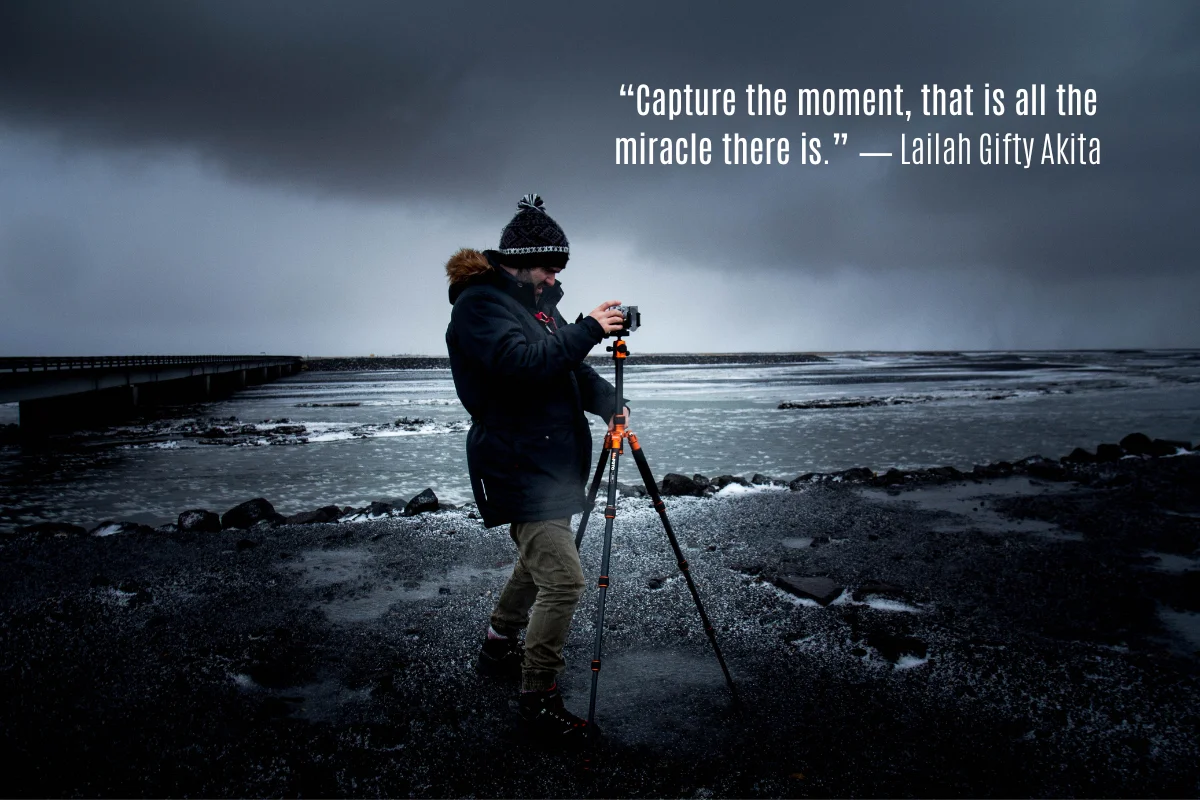
Photography: Capturing Moments in Time
At its core, photography is about capturing and preserving a moment. It serves multiple purposes—from recording events and documenting history to expressing artistic vision. The power of photography lies in its ability to reflect society, freeze time, and tell stories without words.
Photography is often seen as a realistic medium, offering a glimpse into a specific moment. However, whether a photograph belongs to art photography or fine art photography depends on the photographer’s intent.
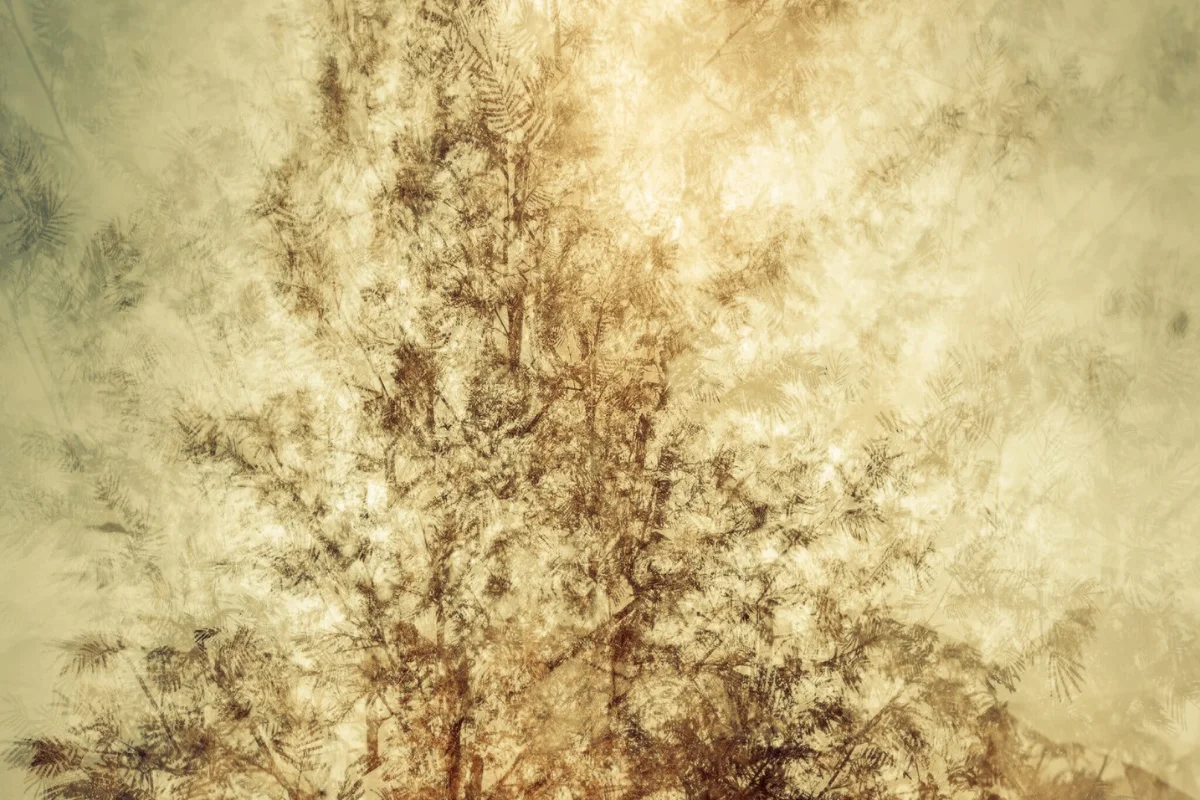
Photography as an Art Form
Photography can be pursued in two distinct ways:
Technical Perfection – Some photographers strive for flawless execution, meticulously refining exposure, lighting, and composition.
Artistic Exploration – Others embrace the unpredictability of photography, using alternative techniques and unconventional processes to create unique expressions.
Both approaches highlight photography’s versatility as an art form, allowing creative freedom to emerge in different ways.
What is Art Photography?
Art photography leans towards decorative aesthetics. These images are often displayed in interiors, magazines, and portfolios, offering a visually pleasing yet neutral impact.
Purpose: To create aesthetically appealing imagery without strong personal, political, or religious messages.
Techniques: Includes traditional photography, intentional camera movement (ICM), multiple exposures, and mixed media combinations.
Audience: Appeals to interior designers, hospitality spaces, and collectors seeking visually soothing artwork.
Art photography is designed to be visually engaging without demanding deep contemplation. It serves as a subtle yet captivating addition to a space.
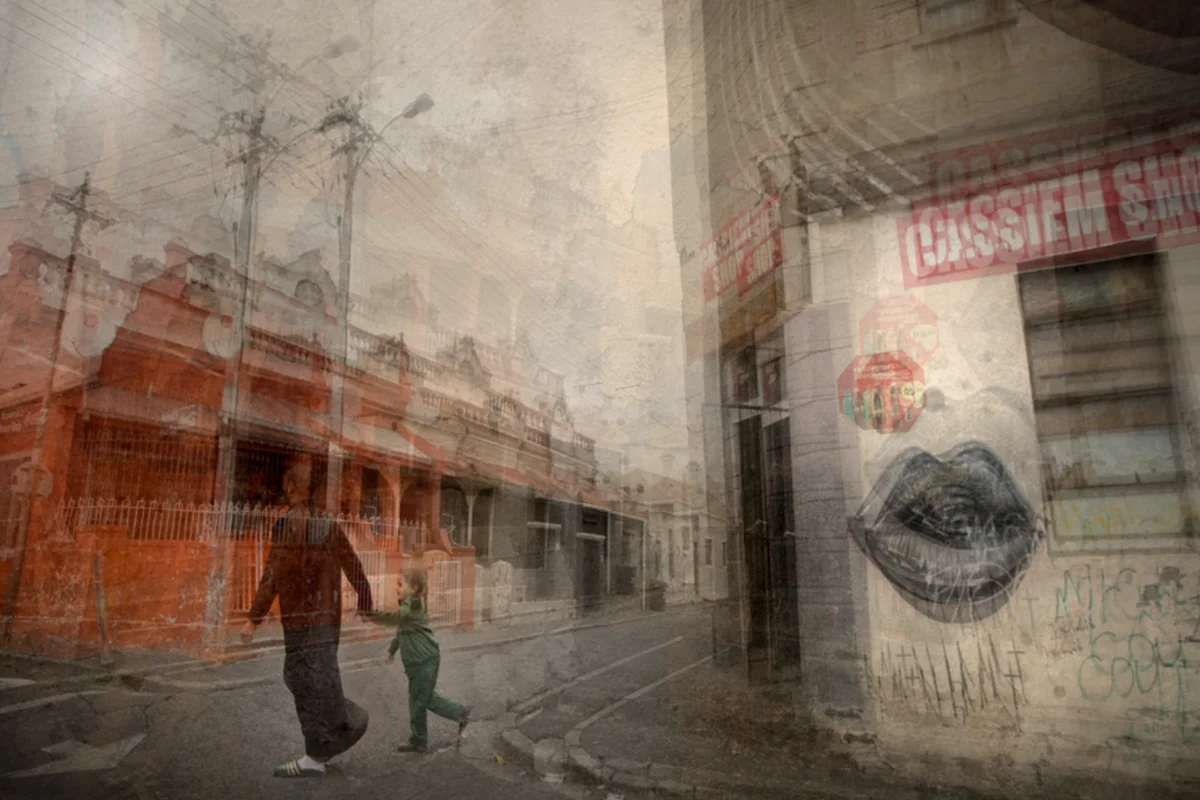
What is Fine Art Photography?
Unlike art photography, fine art photography is exhibition-focused and created with artistic intent. It conveys messages, evokes emotions, and often includes personal or conceptual storytelling.
Purpose: To communicate an idea, emotion, or artistic statement.
Presentation: Often exhibited in galleries, collected as limited editions, and sold with certificates of authenticity.
Techniques: Uses traditional and experimental photography techniques to enhance the intended message.
Value: The artist’s reputation significantly impacts fine art photography's desirability and investment potential.
Fine art photography challenges conventions, often blurring between photography and conceptual art.
Final Thoughts
The boundaries between photography, art photography, and fine art photography remain fluid. Many photographers do not set out with a specific intent but later categorize their work accordingly. Understanding these distinctions can help artists define their artistic direction and refine their portfolios.
The newsletter
Get the next article by email
New articles, classes and workshops, sent now and then. Nothing else.
Thank you. Please check your inbox and click the link in the confirmation email to finish signing up.
We send one email to confirm your address. You can leave with one click at any time.
Keep reading
More articles
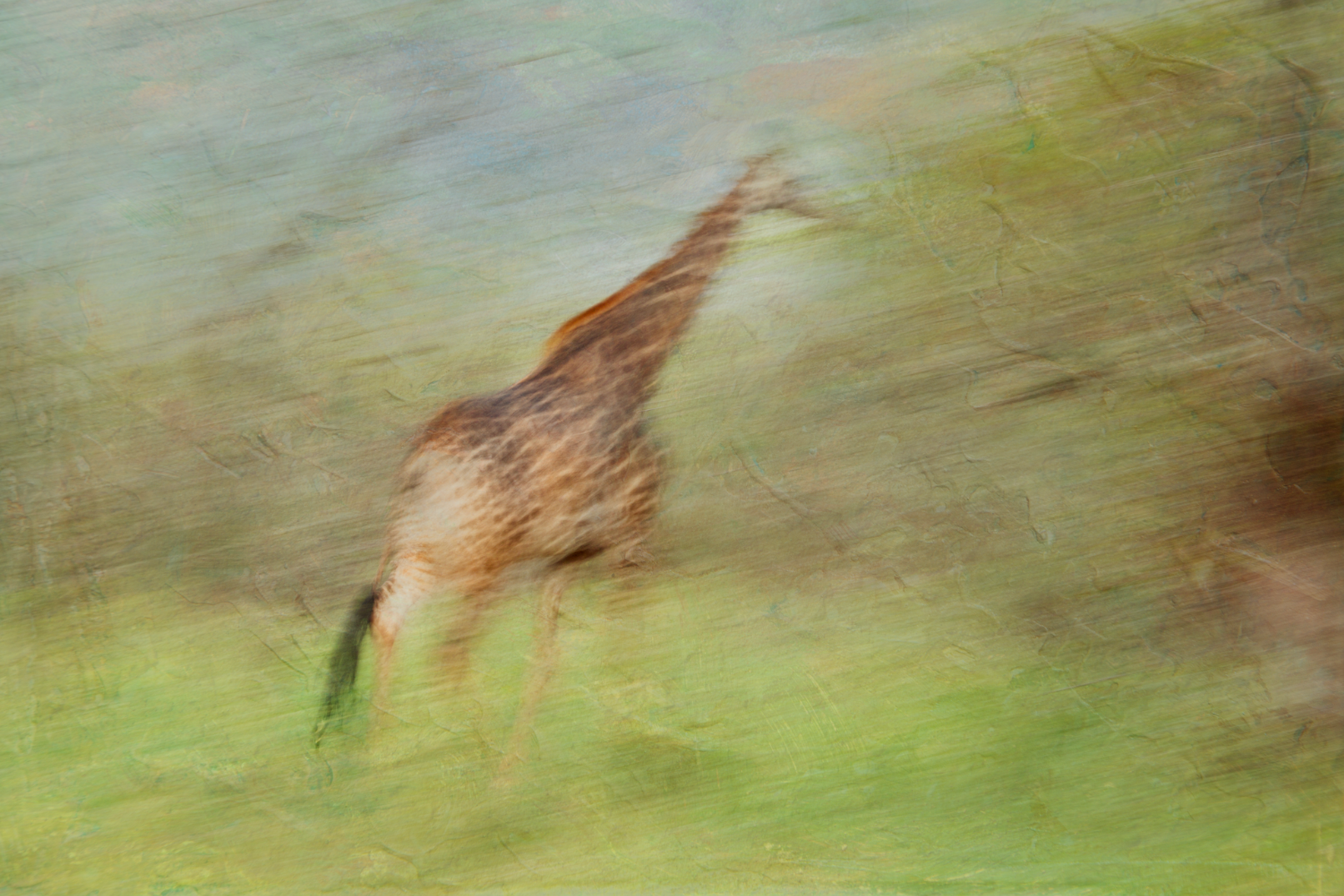
'Expressions of the Wild' - A Photo Alchemy Experience
How a giraffe, seen for a moment in the bushveld at Marloth Park, became an artwork. Camera movement, handmade texture, and the Photo Alchemy process.
Discovering Your Creative DNA
Creativity does not leave you, it waits for permission. On the myth that art belongs to the talented few, and why perfection is usually what stops you.
The Creative Pause
Five to fifteen minutes of making something on purpose. Small enough to do today, and in a world this loud it is closer to rebellion than it sounds.