Martin Osner · Photography School and Art Academy
Getting started in art photography
For photographers who know their camera, and have started to feel that knowing it is not the same as making something that is theirs.
Your images are sharp. Well exposed. Properly composed. You can read a scene and you know what your camera will do before you lift it. And somewhere along the way you noticed that none of that is the thing that makes a picture worth hanging on a wall.
That is the ceiling most photographers reach, and it is not a technical problem, so more technique does not solve it. What is missing is a way of working that turns the photograph into a piece of art with your hand in it. Nobody teaches that on a photography course, because it is not photography.
This page sets out what the work actually involves, how it is learned, and where to begin. The courses themselves are taught at the Art Photography Academy, and there are links through at each stage.
The starting point
What art photography is, and how fine art photography differs
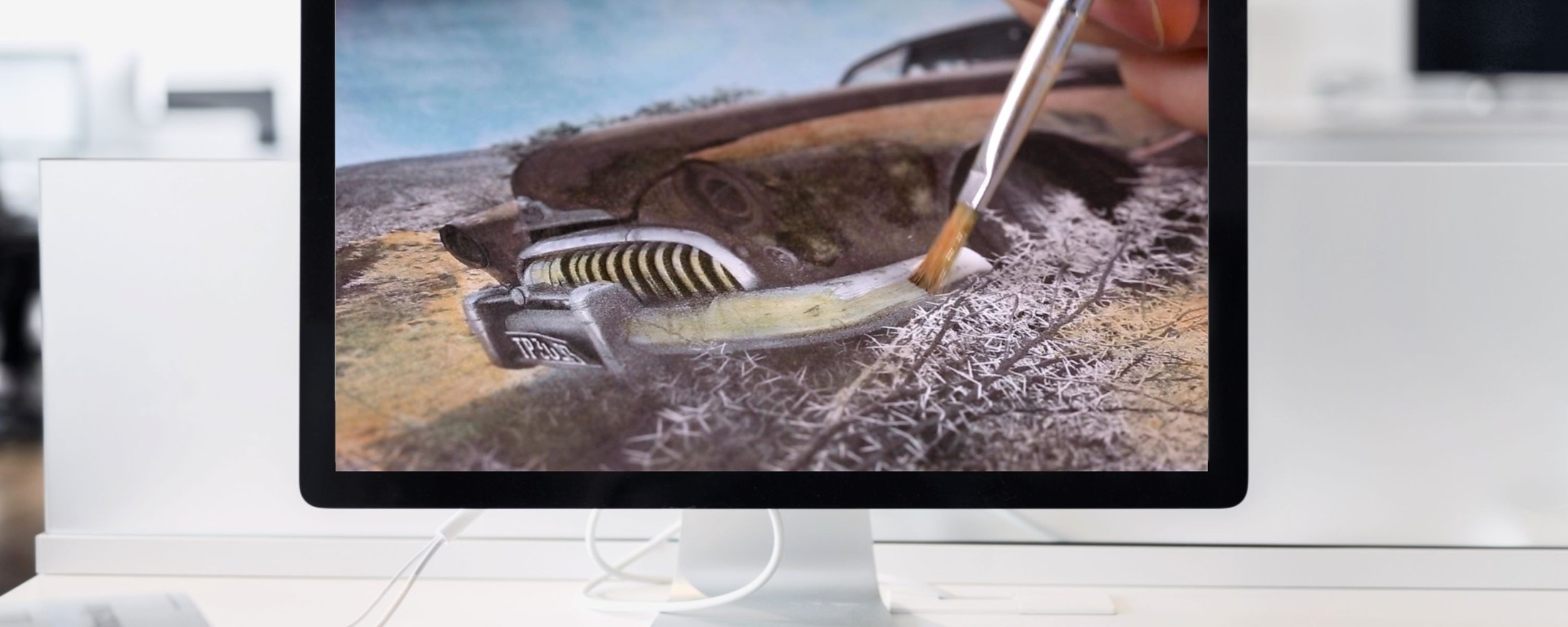
Art photography begins where the photograph stops being a record. You take an image you have made, and you work it by hand with paint, texture, layering and transfer, until it becomes a piece in its own right. The photograph is the raw material rather than the finished thing.
Fine art photography carries that further. The work is made with intent from the outset, as a piece of art that happens to begin with a camera, rather than a photograph that is later worked upon.
You do not need to decide between them now. Almost everybody starts in the first and finds their way into the second, and the techniques overlap considerably.
Why people come to this
You do not have to go to art school
Almost everybody who starts these courses arrives with one of three things on their mind, and usually more than one.
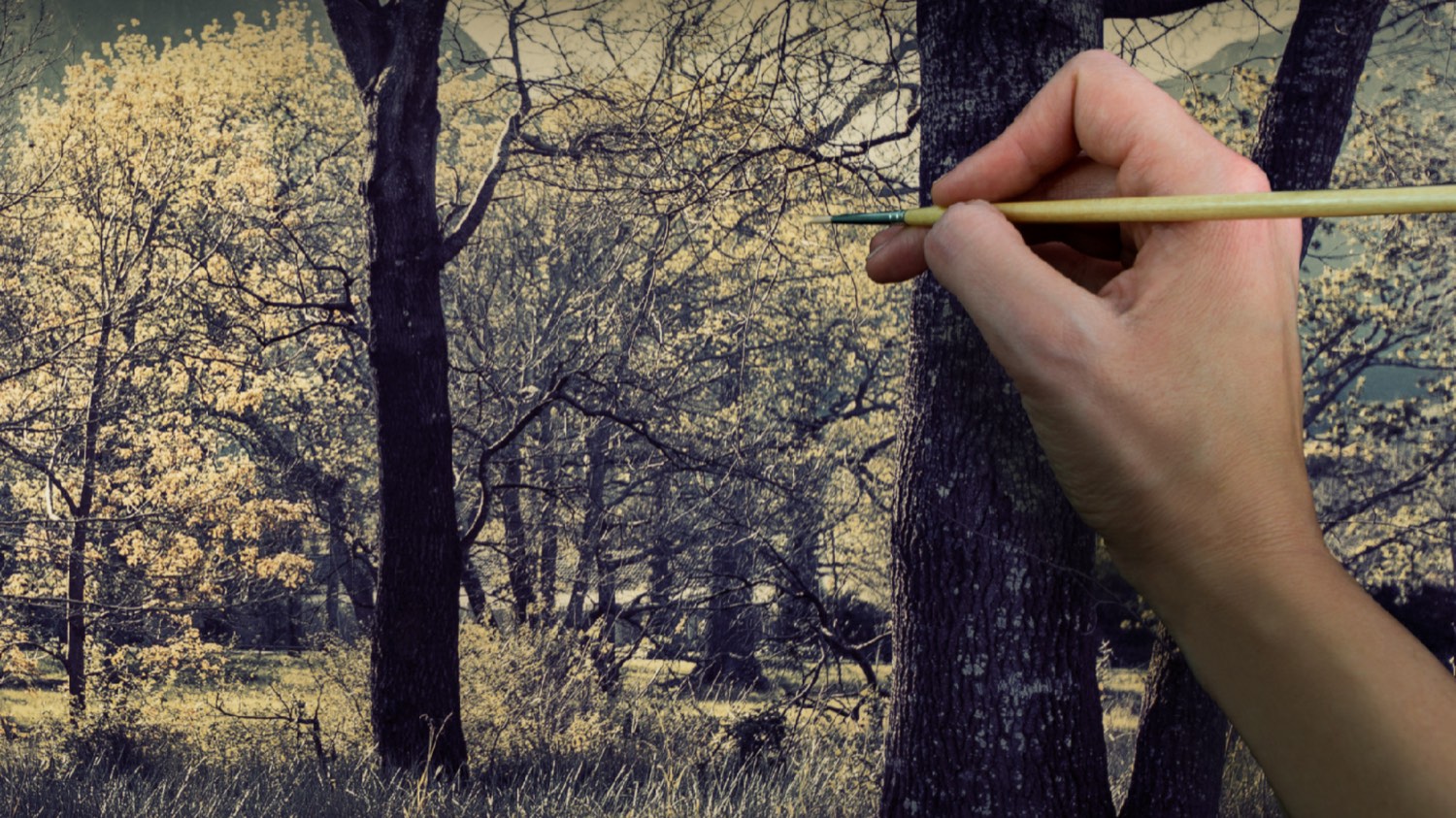
The first is the ceiling. Years of photography behind you, a good eye, and the growing sense that the work is competent rather than distinctive. You want it to carry your signature, so that somebody could look at a picture and know it was yours.
The second is quieter. The camera has been in the cupboard for a while. You keep meaning to get it out. What is missing is not time exactly, it is a reason, something to make with it that feels worth the effort.
The third is the one people are shyest about. You have wanted to make art for years, you have never had any formal training, and somewhere in the back of your mind is the idea that it is too late, or that you would need to go and study properly first.
You do not. The techniques taught here were developed over decades of doing the work, and they are taught in the order they are actually used, to people who have never held a brush. Leslie, whose story is further down this page, had no art education past the age of about fourteen.
A word about the two sites. This page is where the journey is explained. The courses themselves are taught at Art Photography Academy, which is where the lessons, your class group and your library live. The buttons below take you across when you are ready.
Both take you to artphotographyacademy.com
The thing people say first
“I am not artistic”
It comes up more than anything else, and often very bluntly. I cannot pick up a paintbrush. I have never made anything in my life. I am a photographer, not an artist.
None of that is the qualification. Not your schooling, not whether you can draw, not whether anybody ever told you that you had it. All of it is history.
What actually matters is three things. A real wish to change your photography. A willingness to make things that do not work while you find the ones that do. And the appetite to make something rather than only admire it.
If you have those, the rest is teachable, and it is taught step by step by somebody who has spent decades doing it.
How it is taught
Everybody arrives with a different set of rules
Years of photography leave you with firm ideas about what a picture is supposed to be. Sharp front to back. Correctly exposed. Nothing distracting in the frame. Those are good rules and they were worth learning.
They are also the reason the work has stopped surprising you, and they are different for every single person who arrives. So there is no syllabus to keep up with. Your rules are not a fault to be corrected, they are the material we work with, and knowing them is what lets you decide which ones are worth breaking.
“Martin talks about the camera being your sketchbook, and that was really freeing for me, because I can’t draw a stick figure very well. But the fact that I can use my camera to express what I’m trying to express, and combine that with paint and other things, and come up with an end product that’s really great. I don’t think I could do the stuff I’m doing now had I not started knowing the rules before I figured out how to break them.”
Leslie Hoyt · United States
Step one
Learn the fundamentals of art photography
The first course covers the ground everything else stands on. How to design a photograph rather than simply compose one, how to see texture and layering as material to work with, and the handcraft techniques that turn a print into a painting.
- The fundamental art photography techniques, taught in the order they are actually used
- Developing a creative vision and a personal style, rather than copying a look
- Texture, layering and mixed media, and when each one is worth reaching for
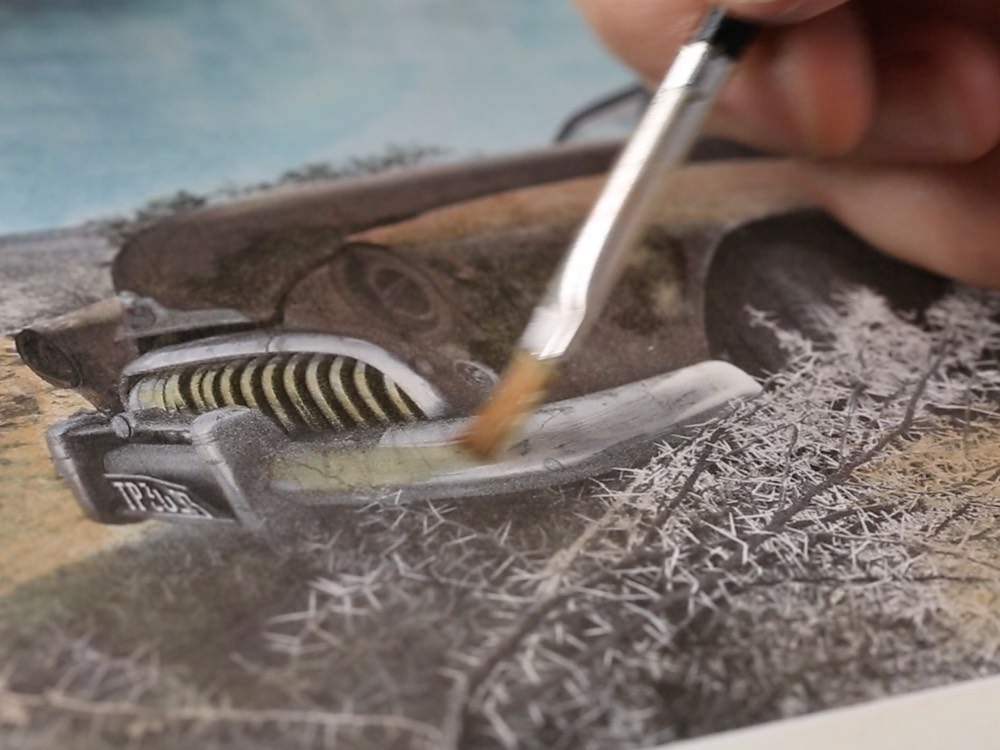
Hand painting
Working paint directly into the surface of the print.
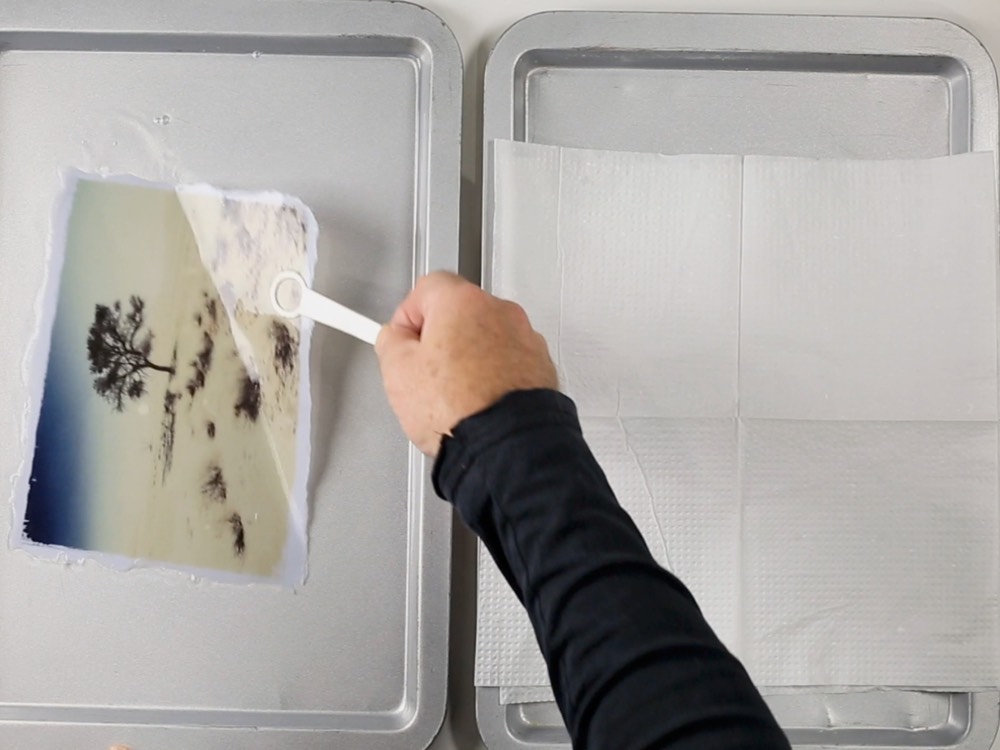
Luminance transfer
Lifting an image off its paper and onto another surface.
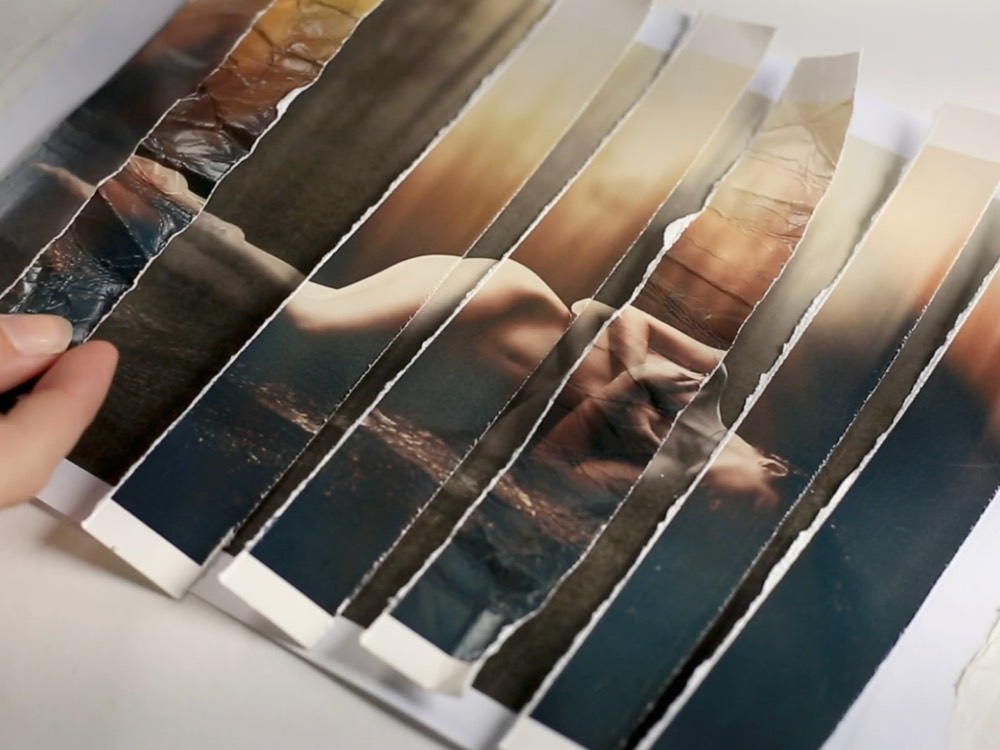
Photo montage
Cutting a print apart and building it back differently.
This is a great course if you are comfortable with your camera and would like to explore creating artistic images by hand.
Taught at the Academy
Getting Started in Art Photography
The lessons, the assignments and the student community all live at Art Photography Academy, where the course is taught.
You post your work into your class group as you go, and Martin gives you feedback on it directly. That is the part you cannot get from a video.
See the courseYou will be taken to artphotographyacademy.com
Step two
Going Further in Art Photography
The second course is for when the fundamentals have stopped being difficult and you want range. Deeper handcraft, more ambitious surfaces, and the judgement to know when a piece is finished.
- More advanced handcraft, worked across a wider set of materials
- Building a body of work rather than a collection of single images
- Editing your own work honestly, which is the hardest thing to learn alone
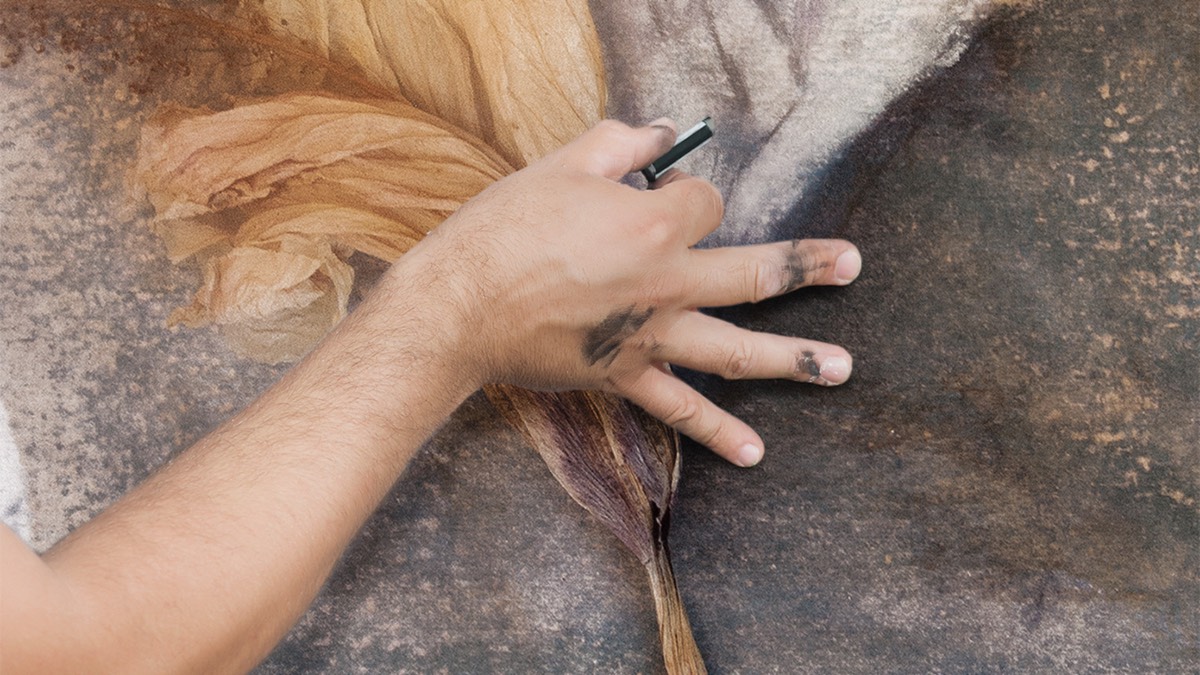
Pastel blend
Working dry pastel into the surface until the photograph and the drawing become one thing.
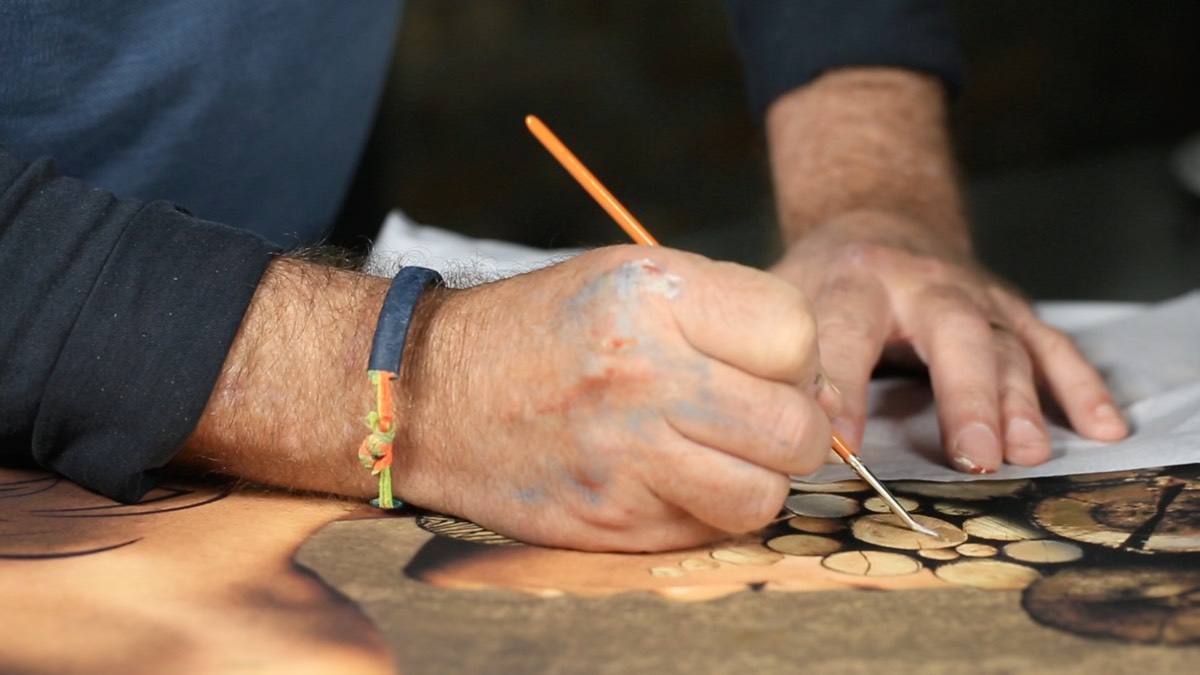
Watercolour on archival
Painting into a print made on heavier archival material, which takes water without buckling.
This is the right course once you have worked through the first one and would like to take your own work further.
You will be taken to artphotographyacademy.com
On pace
A journey, not a sprint
Nobody finishes this in a weekend, and the people who try tend to give up. The work rewards returning to it, sitting with a piece, leaving it and coming back with clearer eyes.
There is no deadline on either of the online courses and no schedule to fall behind. That is deliberate. You are learning a way of seeing, and that arrives at its own pace rather than the one a syllabus would like.
From a student
“Everybody produced work that looked just like the instructor. This is so not like that.”
Leslie Hoyt photographed portraits in the United States for fifteen years before she found this work, and she had no art education past junior high. This is her, in her own words.

Partway through the first course she entered a piece into a juried show at her local gallery, and it was accepted.
“It was actually a work that I created while I was working on Martin’s class. It had an element of flower in it, but it also was unexpected and very different, and I used one of those techniques to create it. It was well received.”
Leslie Hoyt · United States
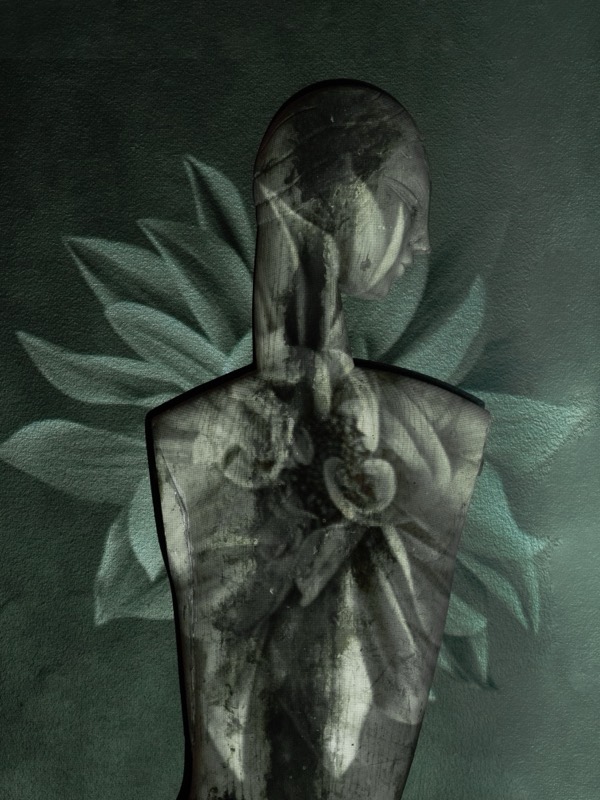
3D image projection
The piece juried into her local gallery show
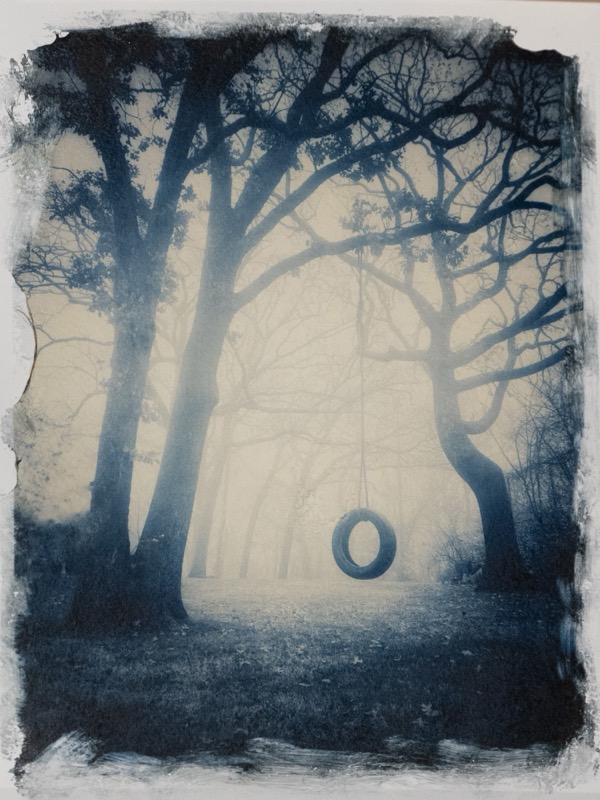
Luminance image transfer
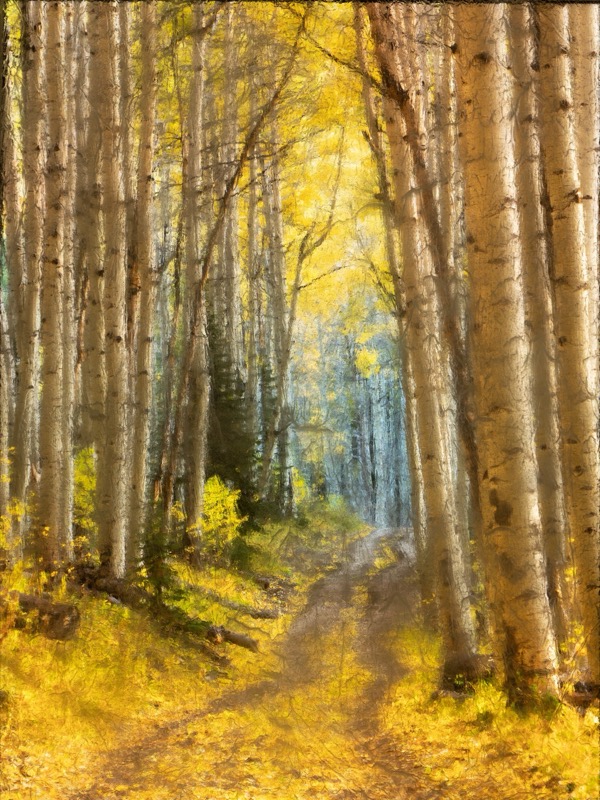
Acrylic overlay
Leslie’s unique work, made with techniques taught by Martin Osner on these courses.
Start with the course that Leslie started onYou will be taken to artphotographyacademy.com
How the learning works
Why the course is structured the way it is
None of this is accidental. The format came out of years of teaching the same material in person and watching where people got stuck.
Short lessons
Each technique is its own short video rather than a two hour session. You learn one thing, go and do it, and come back.
A library you keep
Everything stays available. When you reach for a technique eighteen months later, the lesson is still there to be watched again.
Assignments
Set exercises that push you into unfamiliar ground, which is where the learning tends to happen.
Your class group
You join a group of people working through the same material, seeing what they make and sharing what you make.
The Inspire community
A wider community of artists working in the same way, well past the end of the course.
Fortnightly meet ups
A regular session where you can ask me directly about any technique taught on the course.
A question I am often asked
Do you still teach this live?
Yes, occasionally, and it is worth setting out properly, because a number of people seem to be waiting for it.
How it runs
Six weeks, one afternoon a week, roughly two hours a session, on Zoom. Each session is a presentation, then questions, then I look at the assignment work you have done since the week before and give you feedback on it directly.
What is taught is identical
Not a version of the online course. The same course, the same techniques, in the same order.
You also receive everything an online student receives. Membership of the Inspire community, your own class group to post work into, the full recordings of every session, and the course added permanently to your library at the Academy. The live class runs inside the Academy exactly as the online one does.
The only difference is that I turn up and teach it. That is what the fee is for, and it is worth being straightforward about it.
When it runs
Sessions are at 3pm South African time. That is comfortable in the United Kingdom, Europe and North America, and it is genuinely difficult in Australia and New Zealand, which is the honest limit of teaching live to people spread across the world.
A class only goes ahead once at least seven people have put their names down within hours that work for them. That is why it runs rarely, and why the online course exists.
If you would like to be considered for the next live class, put your name down. Nothing is payable now. When enough people have registered in workable hours, a date is set and everyone on the list is offered a seat first.
My recommendation
Start with my online course, lessons 1 to 8
If you are not sure where to start, it is the first course. Almost everybody begins there, including people who have been photographing for many years.
Get started in Art Photography today
You will be taken to artphotographyacademy.com