Lessons eleven to fifteen, live on Zoom
Next Level Fine Art Photography
Five lessons that break away from the decorative print and into work that carries a feeling, an argument or a story. You come out with a themed portfolio, not a folder of nice pictures.
This is the course after the first ten lessons. The techniques here do not replace what you already do, they add layers to it: back and front projection, heat and emulsion, distortion, encaustic wax.
Live will always be an option here. The course is also heading to the Art Photography Academy as a self paced version, and that one will cost a fraction of this. What it cannot do is put your half finished work on a screen in front of Martin on a Thursday afternoon and have him tell you where to take it next. That is what the eight places are for.
What actually changes
Away from the decorative print
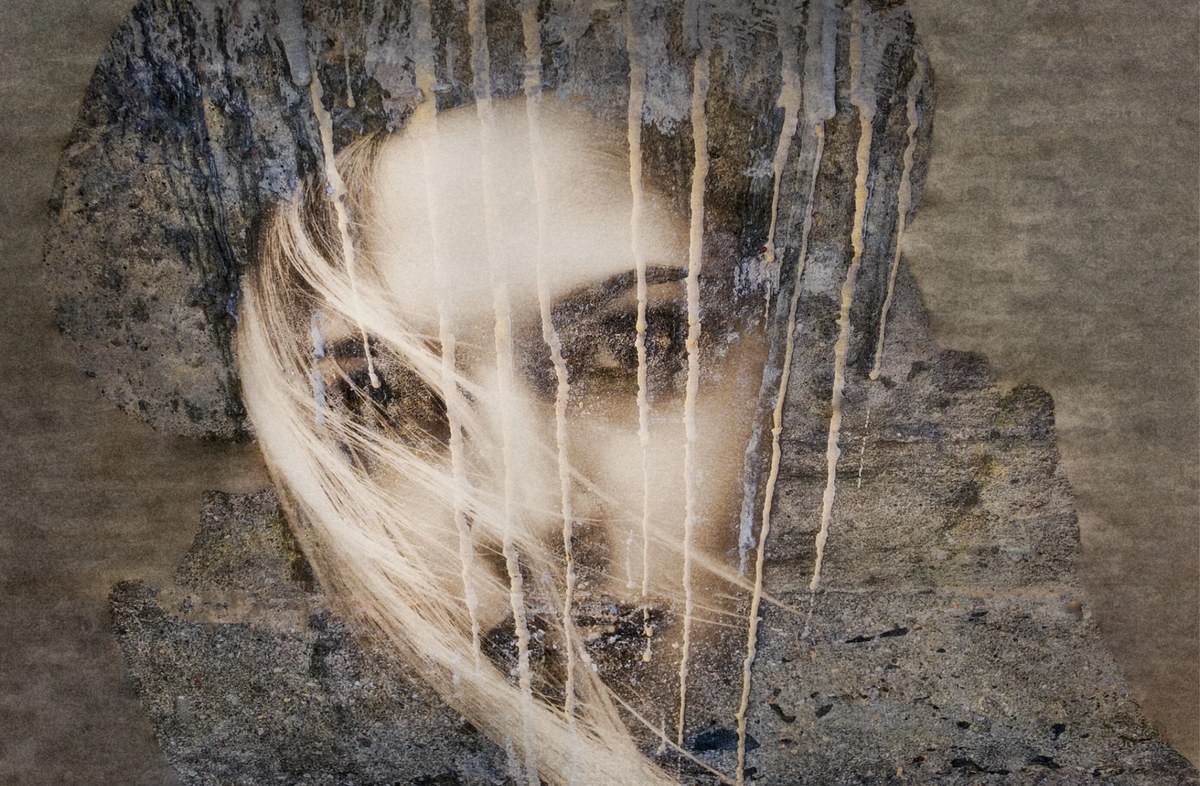
A technically excellent photograph that says nothing is still a photograph that says nothing. This course is about the saying.
The first ten lessons gave you the craft. This one asks what you want to use it for. It opens with the influences of modern art, not as history but as a way of loosening the grip technical control has on most photographers, and then works through shape, distortion, colour, texture and juxtaposition until the picture stops being a record.
“Art itself is not ordinary, so it is paramount to steer away from absolute technical control in photography.”
It does not need deep photographic knowledge. What it needs is that you want to treat photography as a medium for making something, rather than a way of capturing something.
This is for you if
- You have done the first ten lessons, or work at that level already
- Your prints are competent and you suspect they are also polite
- You want a body of work rather than a run of single images
- You would like to exhibit, and do not yet have the portfolio for it
The techniques
None of this happens inside the computer
Every technique on this course is a physical or optical process. Light pushed through something, heat taken to a print, wax poured over a surface. Photoshop tidies up afterwards, it does not do the work.
You are not being handed presets. You are being handed materials, and the point of the five lessons is that you stop being able to predict exactly what you will get, which is where the interesting work starts.
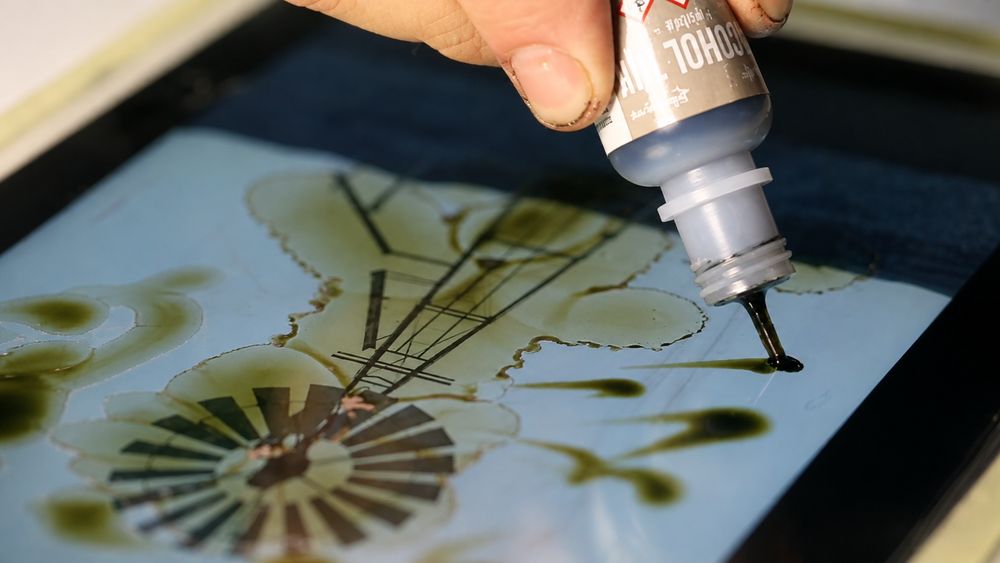
Alcohol ink and back projection
The image goes through what you have made rather than onto it. Ink, water and light doing something a lens cannot.
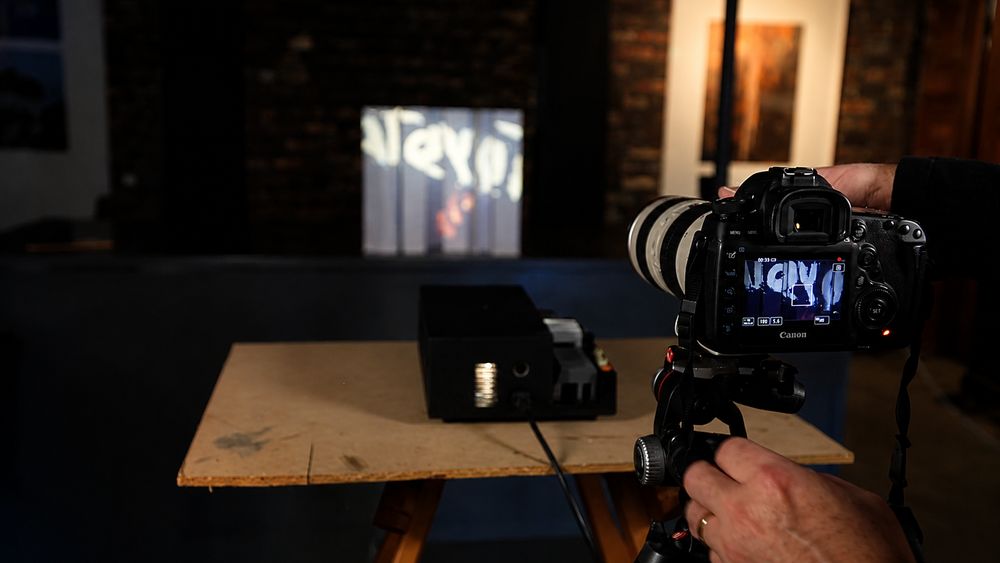
Front projection
A second image thrown onto a surface and photographed again. Two pictures in conversation inside one frame.
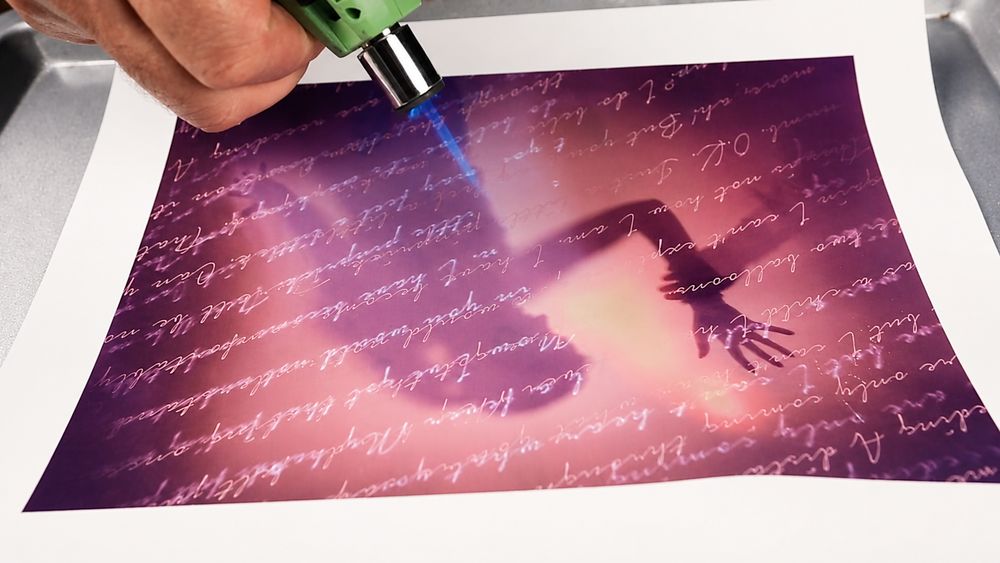
Heat and emulsion
Heat taken to the print until the emulsion lifts and moves. Grain, grunge and accident, controlled just enough to stay yours.
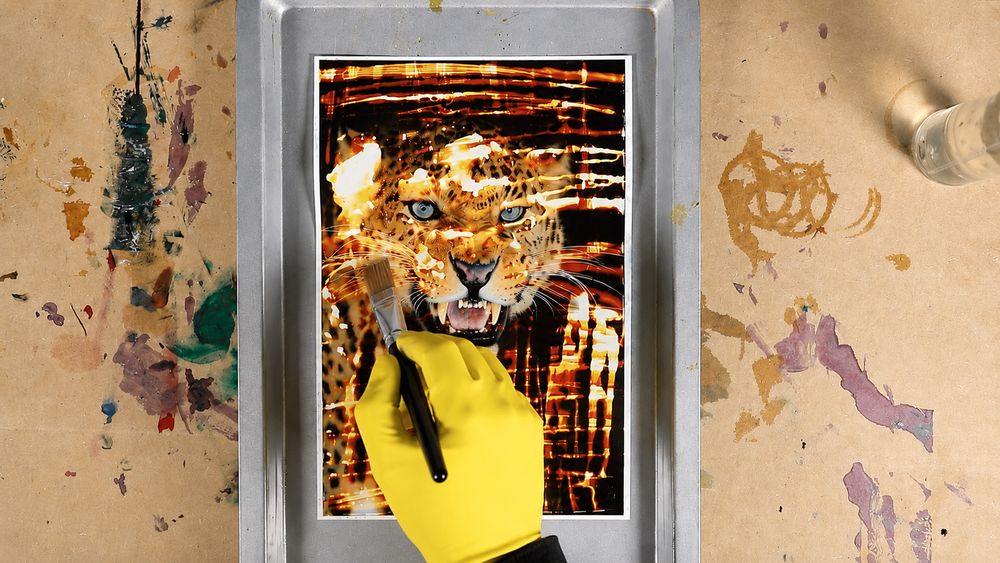
Bleaching with emulsion
Taking colour and density back out again. What you remove ends up saying as much as what you leave in.
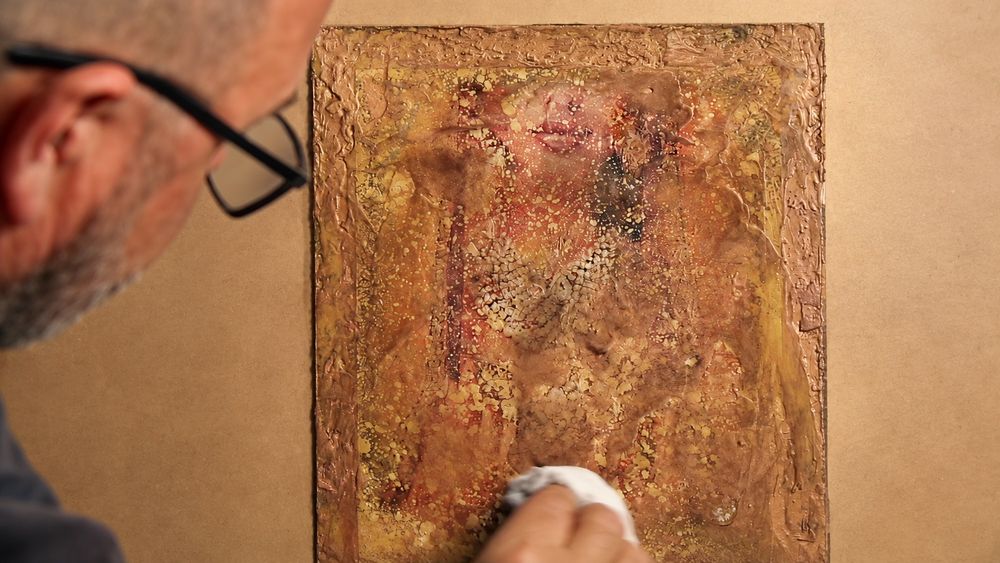
Oil wash with encaustic medium
Molten wax, metallic leaf and a thin wash of oil. This is the one where people stop asking whether it is a photograph.
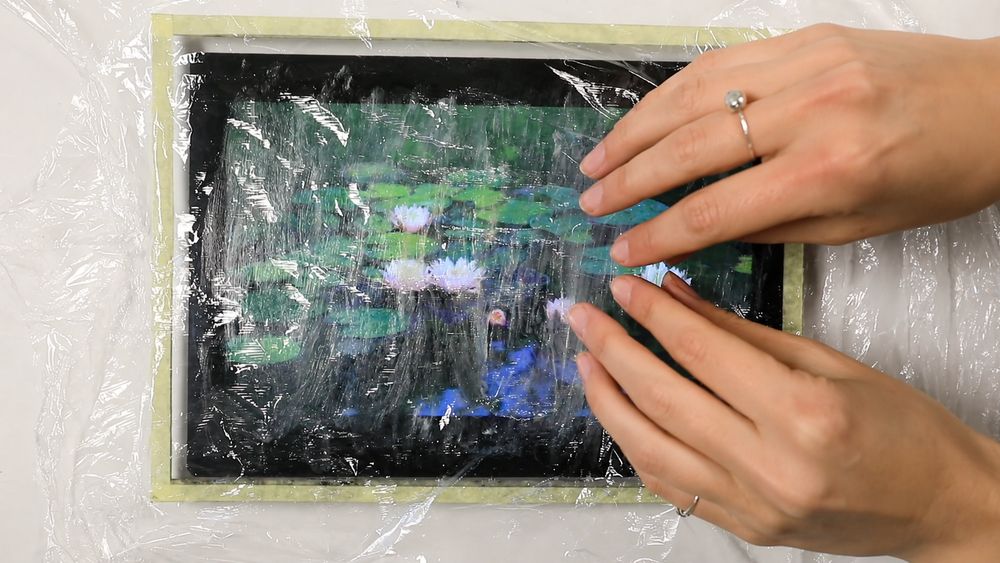
Texture with backlight projection
Light pushed through the surface from behind, until the texture stops being a detail and becomes the subject.
Before this one
This is the third step of four
Next Level picks up at lesson eleven, so it assumes the first ten are behind you. Every Creative Advisor on the Art Photography Academy came up this path, in this order.
Step one
Get Started in Art Photography
The first five lessons. Where photography stops being a record and starts being a medium.
$690 self paced, begins today
See the first courseStep two
Going Further in Art Photography
Lessons six to ten. Eight techniques in abstraction, texture and distortion.
$690 self paced, begins today
See the second courseStep three, you are here
Next Level Fine Art
Lessons eleven to fifteen, live with Martin, ending in a portfolio you could exhibit.
$2,500 live on Zoom, eight places
January to March 2027
Step four
Fine Art Photography Masterclass
Where the portfolio becomes exhibition work, and the work starts leaving the house.
Live on Zoom, after this course
See the MasterclassNot sure whether you are ready? Say what you have done and send a few pictures, and we will tell you honestly. Turning somebody away from a course they are not ready for costs us far less than having them sit through it.
The five lessons
Thursdays, 3pm to 5.30pm, with a week to work in between
Five two and a half hour lessons live on Zoom, each followed by an assignment week, then an evaluation session where the portfolio comes together. All times South African, GMT+2.
Modern art influences, part one
Where the ideas come from, and back projection as the first way of getting them into a photograph.
Modern art influences, part two
The second half of the thinking, and front projection.
Assignment week, no class
Heat and emulsion
Burn it, distort it, lift the emulsion. Where the surface stops behaving and starts carrying feeling.
Distortion
Deliberately breaking the thing you spent ten lessons learning to control.
Assignment week, no class
Encaustic medium
Molten wax, metallic leaf and ink. The technique that most often gets the work mistaken for a painting.
Assignment week, no class
The portfolio
Everyone's work up on screen. What holds together, what does not, and what the body of work is actually saying.
Every lesson is recorded. The live sessions include detailed video recordings of each technique, so nothing depends on you catching it first time or being in the right time zone.
Where it leads
A fine art photography portfolio, and then a wall
You finish this course with three to seven images that gel together as a single portfolio. Not five good pictures that happen to be yours, a body of work that argues one thing.
That is the whole reason the evaluation session exists. Everyone's work goes up on screen at the end and we work out, out loud, what actually holds together and what is a lovely picture from a different conversation. Most people cut something they were fond of. That is the session doing its job.
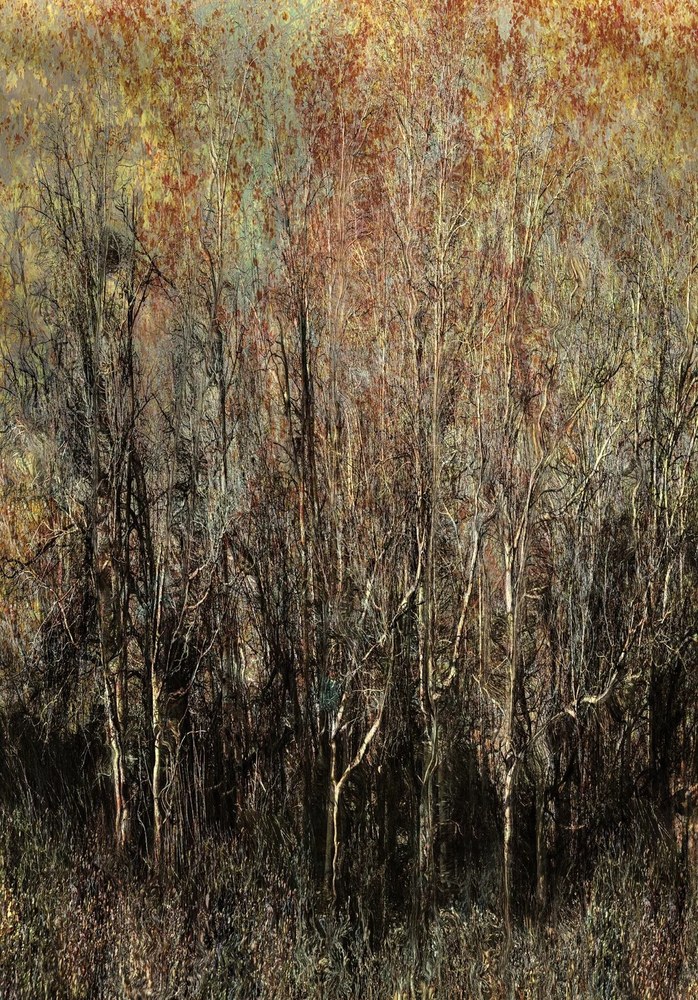
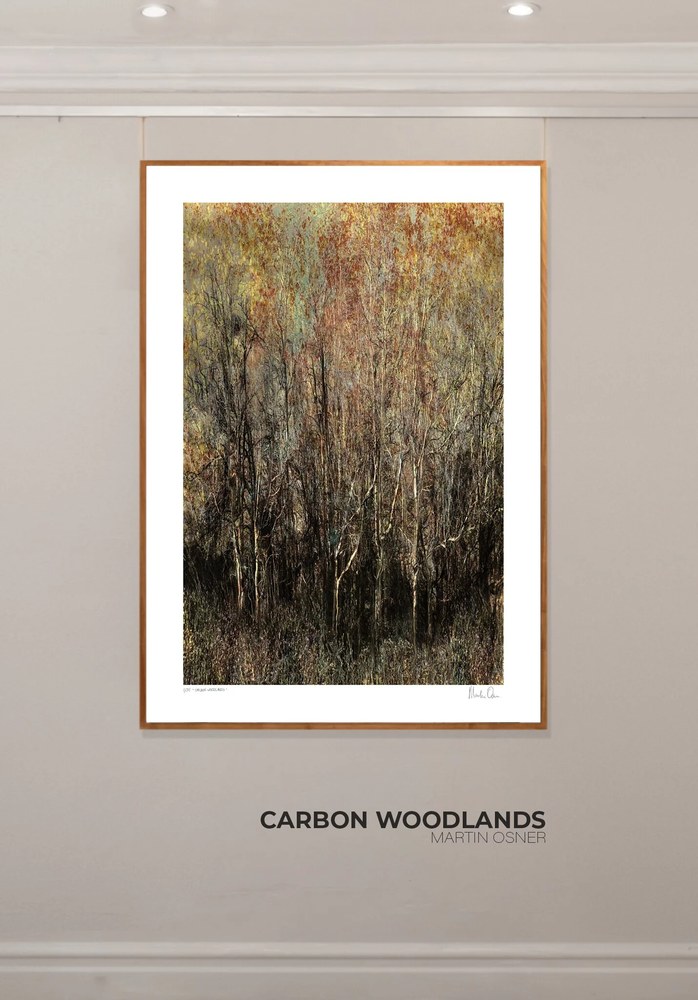
A portfolio is also the first thing a gallery, a curator or a competition asks for. Individual images do not get exhibited. Bodies of work do.
Every Creative Advisor at the Academy came up this way
The Creative Advisors are the students whose work now hangs, sells and teaches. Six of them sat in exactly this course before any of that happened.
Alan Mason, Ghail Binneman, Lesley Spiegel, Lize du Plessis, Gill Mager and Tara Crossley.
See the Creative Advisors and their work
Opens the Art Photography Academy
Student work
Made on this course, by people who arrived at lesson eleven
Every one of these came out of a previous Next Level class. None of them are Martin's. Each was made by somebody who had finished the first ten lessons and had never touched wax, bleach or a projector before this one.
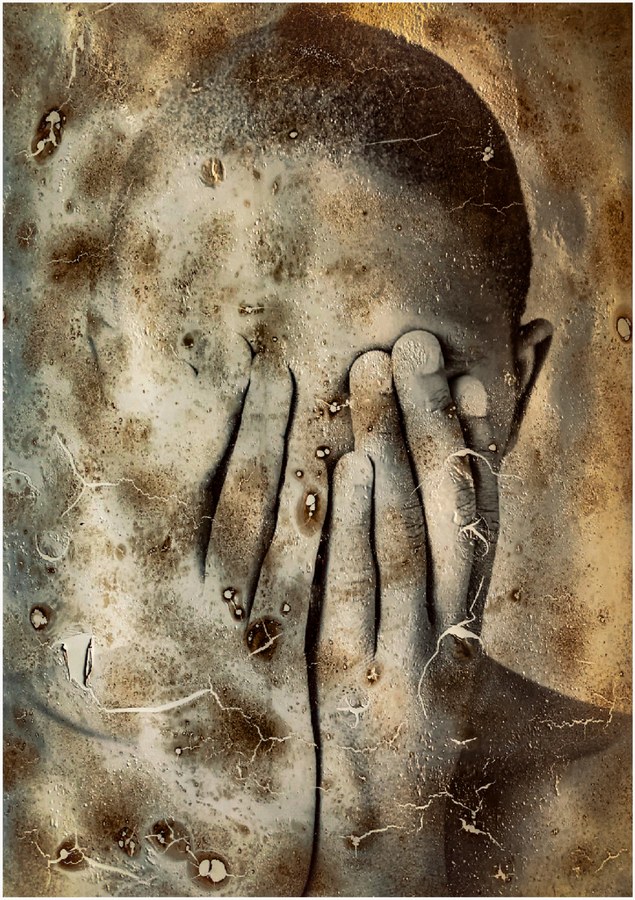
Hilda Audier
Heat and emulsion
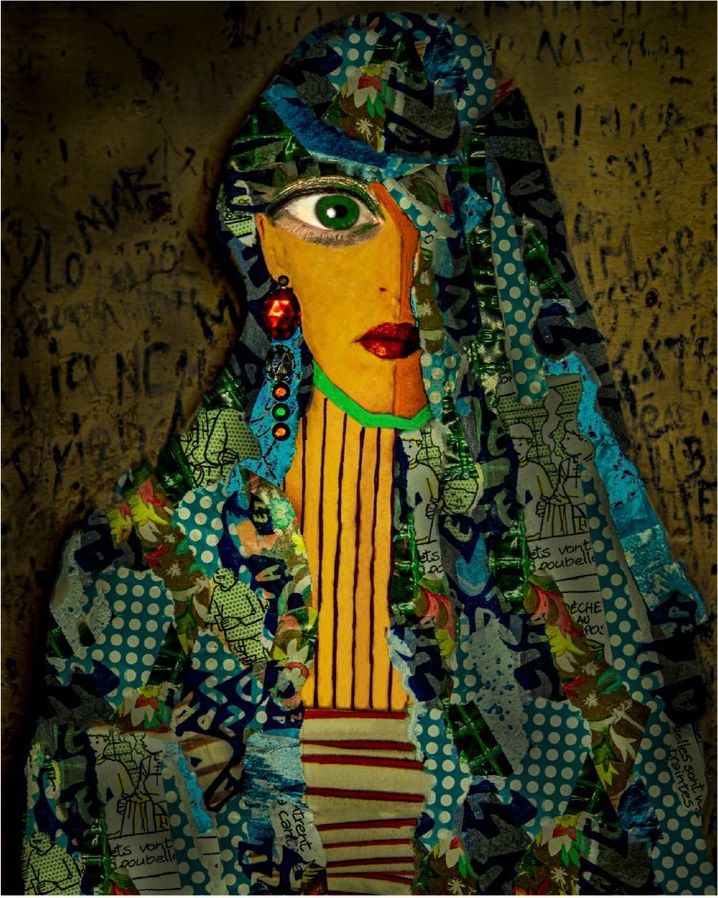
Hilda Audier
Hand embellished photo collage
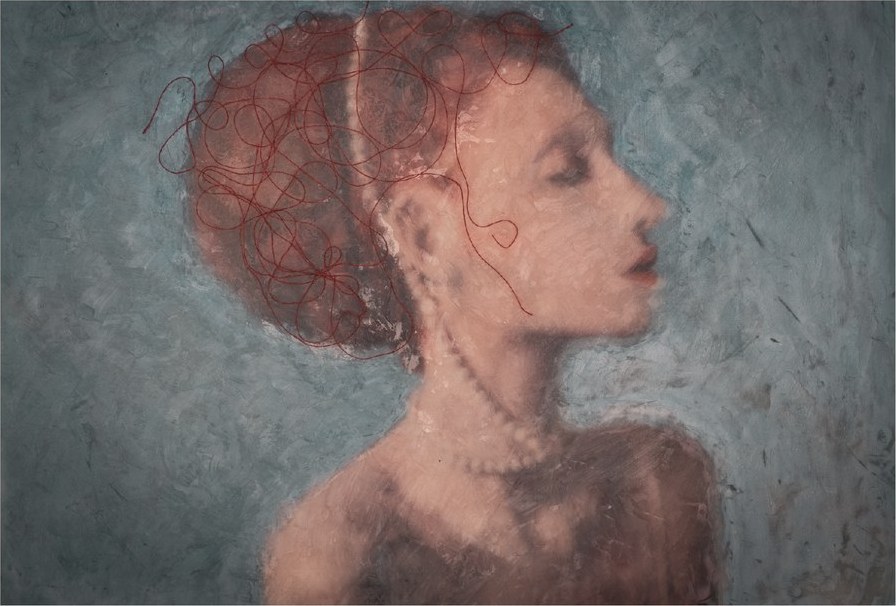
Petra Seiz
Encaustic medium with 3D overlay
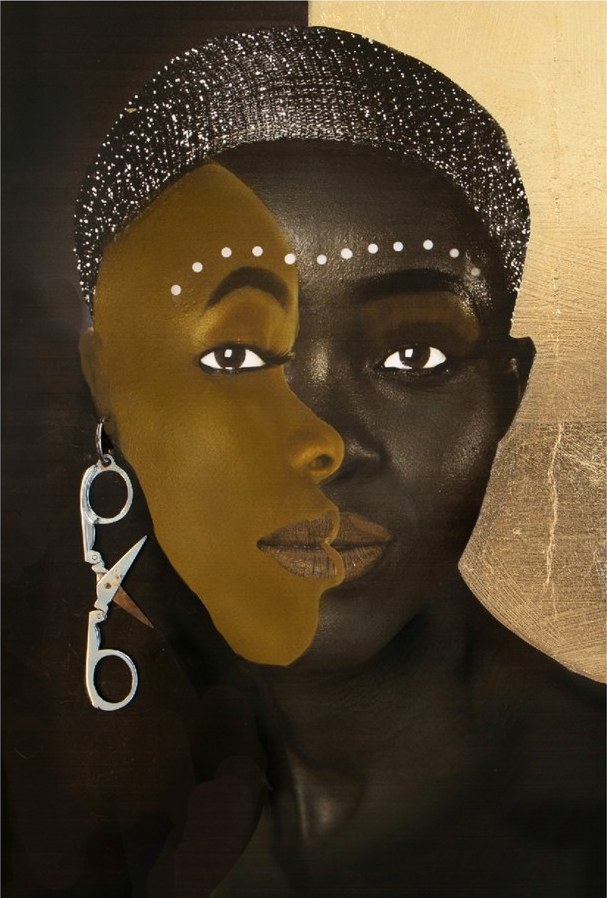
Steve Trimby
Photo collage with mixed media, gold leafing and 3D overlays
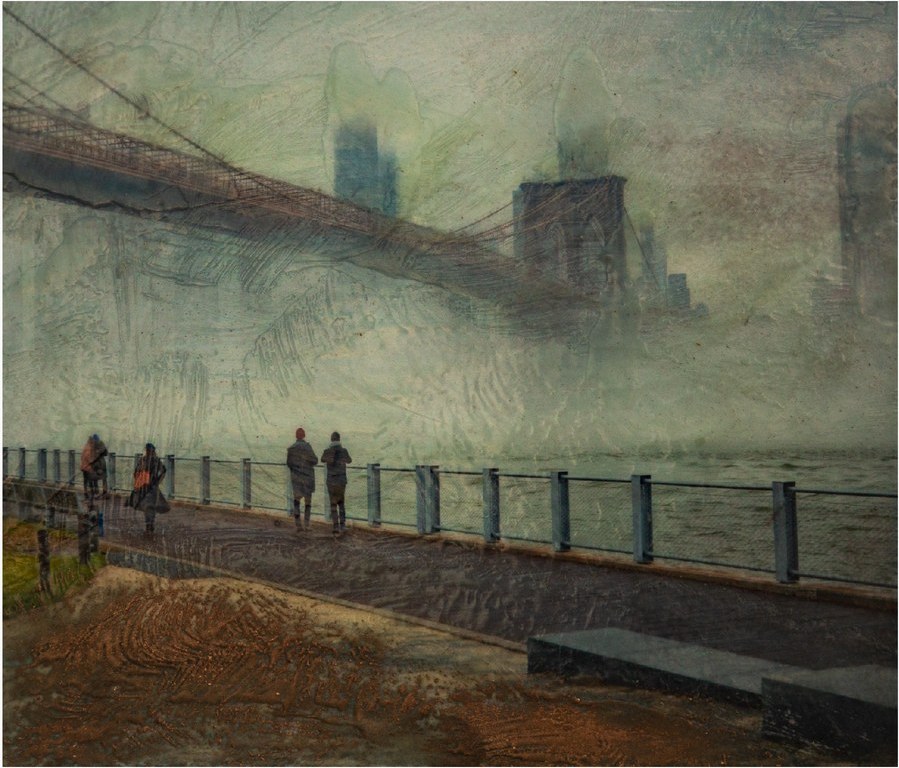
Ghail Binneman
Encaustic medium
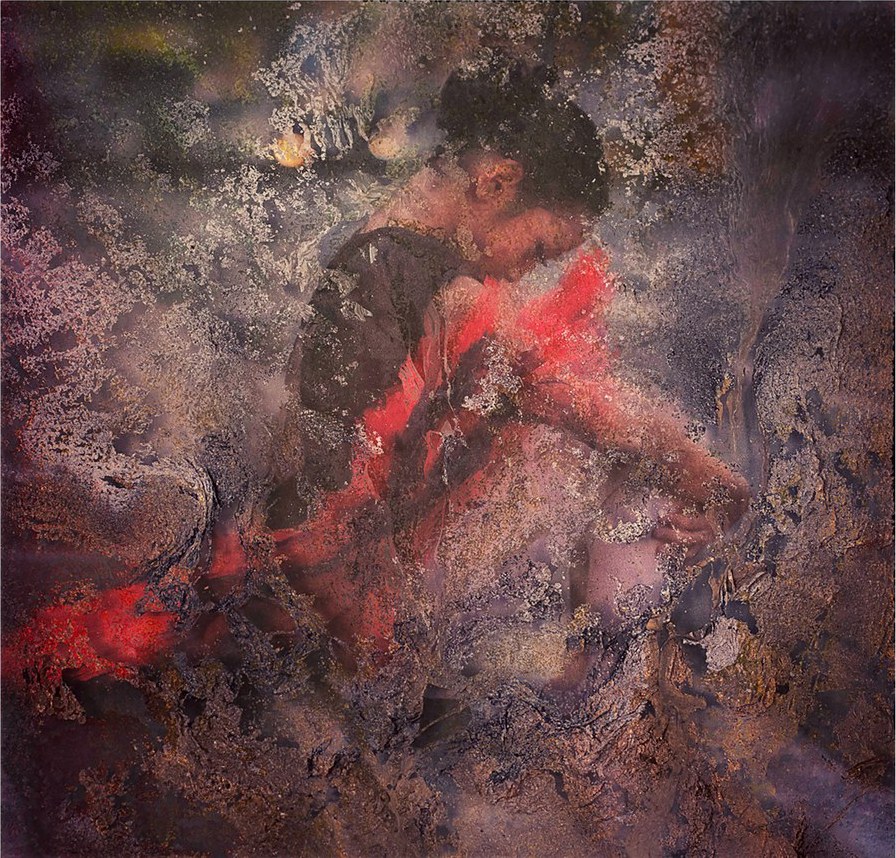
Debbie Basson
Paint overlay
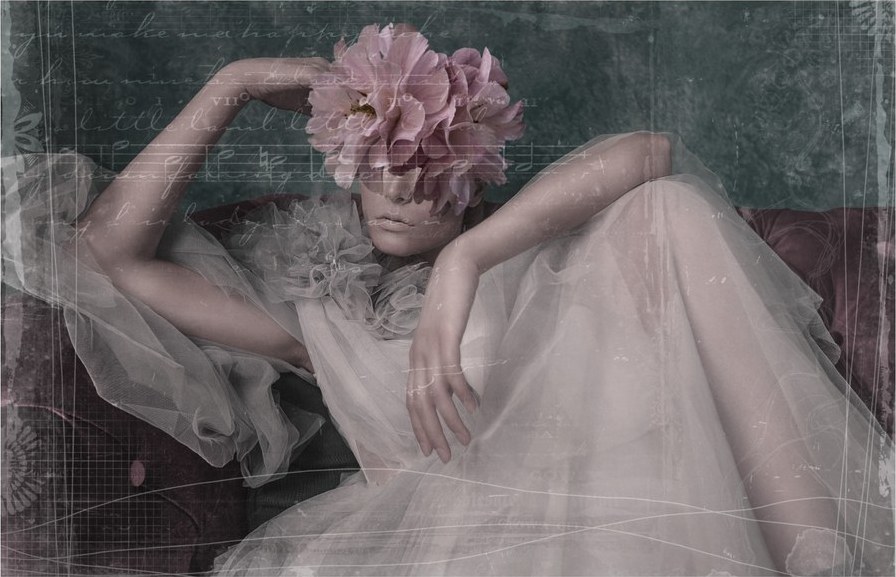
Ana Kruschewsky
Text and texture overlays
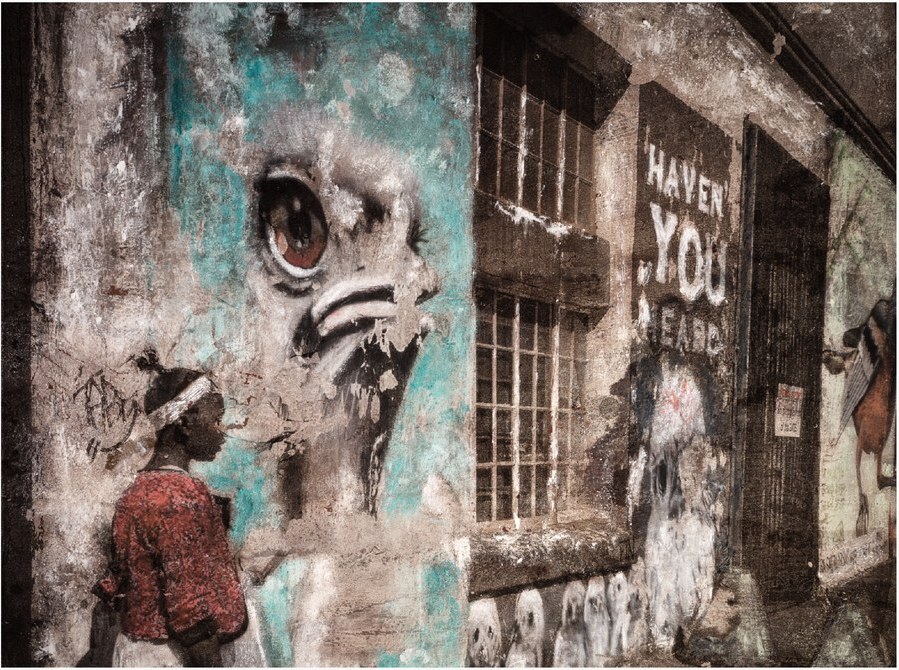
Petra Seiz
Photo transfer treated with oil paint, oxidation medium, silver leaf, varnish and cold wax
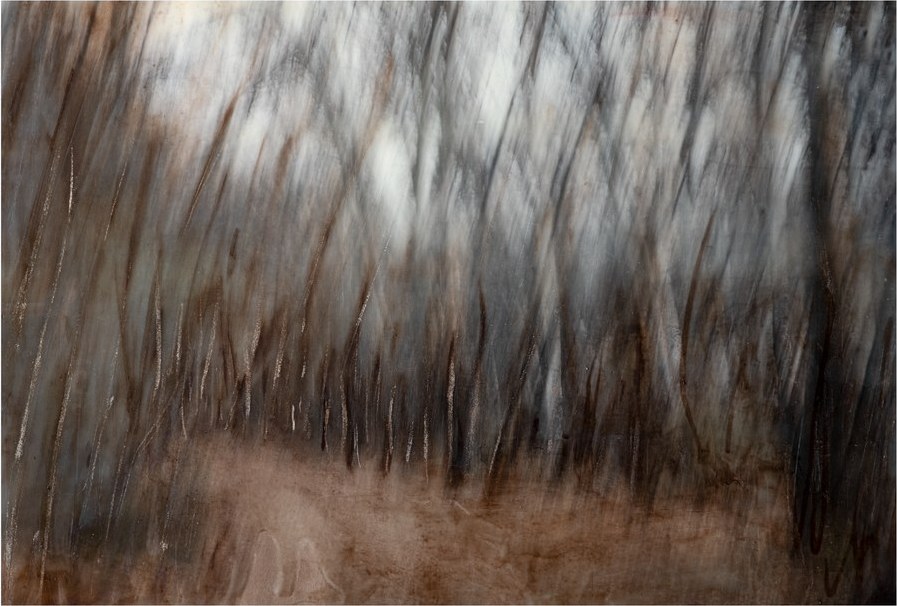
Elsabé Visagie
Intentional camera movement, encaustic medium, oil paint and alcohol ink
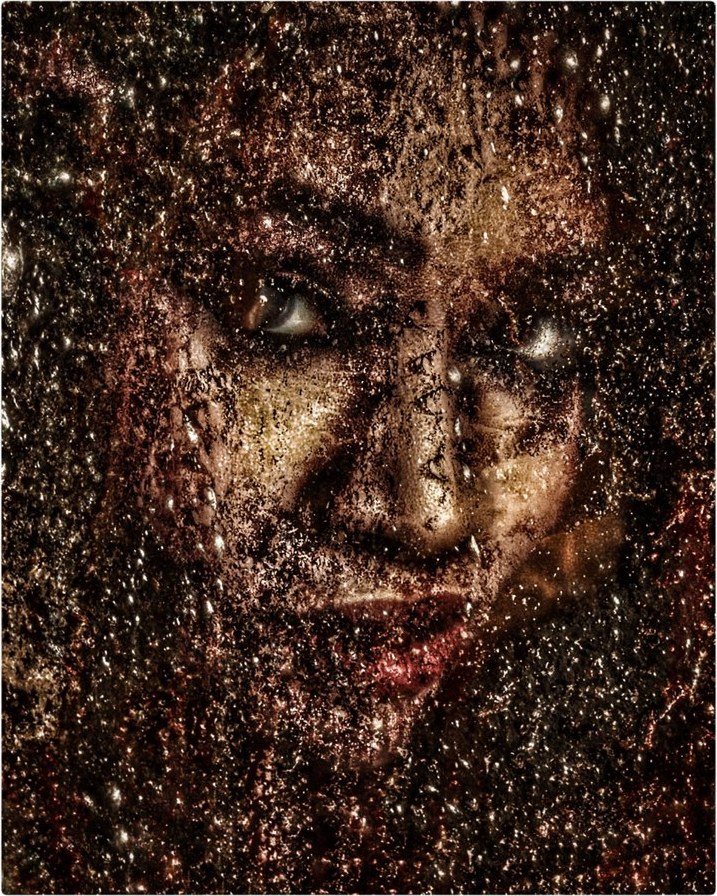
Mike Hodgson
Paint and texture overlay
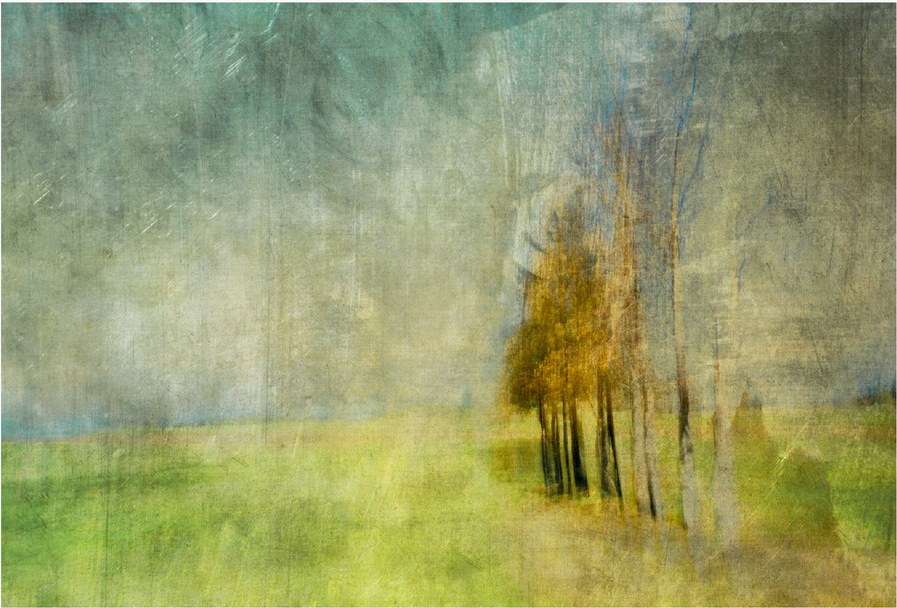
Mike Hodgson
Intentional camera movement with multiple texture overlay
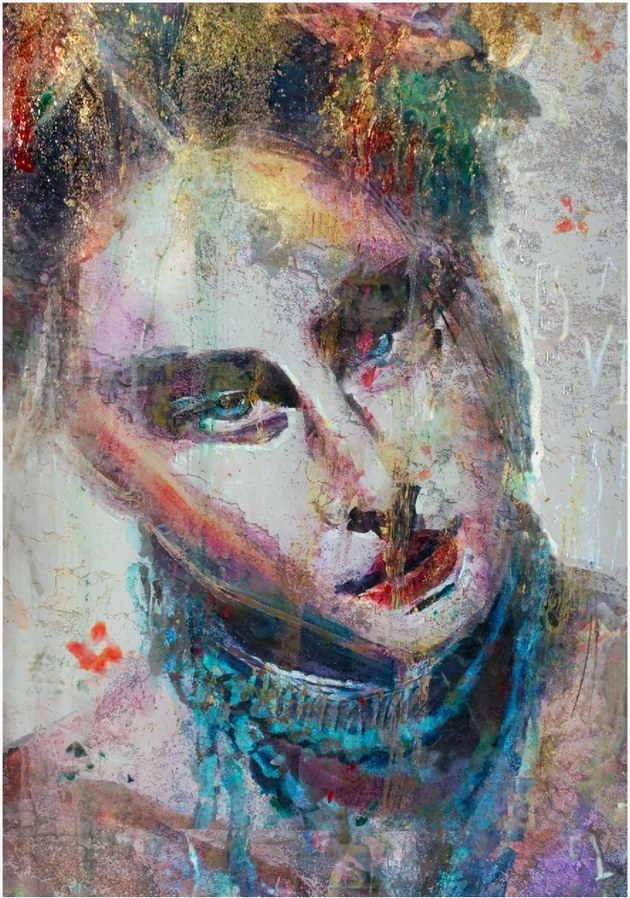
Lesley Spiegel
Painting treated with paint and texture overlays
★★★★★
Coralie Sneddon, RussiaI had such a fantastic time on your fine art photography course. I have come away from these classes feeling inspired, optimistic, and reminded of why I fell in love with photography in the first place. I have been more creatively inspired in just one week than in the past five years. My notebook is overflowing with ideas, and I cannot wait to create more and revisit past images, images I already liked but now know I will love even more after applying the fine art techniques you shared.
★★★★★
Peter Raeburton, New YorkMy only disappointment with this course is that there is not an advanced, advanced version to continue this incredible journey. Martin's weekly creative input was invaluable, offering a fresh perspective and artistic guidance that pushed my creativity further than I ever expected.
This course has been inspiring and transformative, giving me the confidence to create deeply personal and meaningful work.
Dates and booking
Eight places on the January 2027 class
Eight is not a marketing number. It is how many pieces of work fit into a two and a half hour session with time for each one, and it is the reason people leave this course with a portfolio rather than notes.
What is included
- Five live lessons and a final evaluation session with Martin, two and a half hours each
- A recording of every session, kept in your course library
- Separate step by step technique videos for each process, so you can work through them again at the bench
- Feedback on your assignment work every week, on your own images
- Lifetime access to everything in the library
- A class of eight, so your work comes up every single week
Not sure whether you are ready, or want to ask something first, write to learnphotography@martinosner.com and tell us what you have done so far.
Course fee
$2,500
Dates
21 January to 18 March 2027
When
Thursdays, 3pm to 5.30pm
South African time, GMT+2
Class size
Eight places
Opens the booking form in a new tab
Before you pay, please read our cancellation policy. It sets out the deposit, what comes back if you need to cancel, and the three ways round it.
Questions
The things people ask before they book
If your question is not here, write to learnphotography@martinosner.com and a person will answer it.
Can I take this course if I have not done the first two Art Photography courses?
No. This one starts at lesson eleven and assumes the first ten are behind you. The techniques and the vocabulary all build on them, and sitting through it without that base is a frustrating way to spend $2,500.
Start with Get Started in Art Photography, then Going Further in Art Photography. Both are self paced, so you can begin today and be ready by January.
How long does the course run?
Nine weeks, from 21 January to 18 March 2027. Five lessons, three assignment weeks with no class, and the evaluation session at the end. The gaps are deliberate, these techniques need bench time and you cannot do them in the ten minutes after a Zoom call.
How many students are in each class?
Eight. Small enough that your work goes up on screen every week and gets talked about properly.
What if I miss a lesson, or I am in the wrong time zone?
Every session is recorded and goes into your course library, usually the same day. You also get separate technique videos for each process, so nothing depends on you catching it live. Plenty of students in Europe, North America and Australia have done it entirely on the recordings.
How long do I keep the recordings?
For good. The lesson recordings and the technique videos stay in your library, and people do go back to them years later when they want to run a process again.
Is this the same thing as the Fine Art Photography Masterclass?
No, and the order matters. Next Level is where the portfolio gets built. The Masterclass is where that portfolio gets prepared to leave the house, exhibitions, galleries, and selling the work. Next Level comes first.
Will this course be available online later, and cheaper?
Yes, and we would rather you knew that up front. It is going up at the Art Photography Academy as a self paced course, and it will cost a fraction of this one. The techniques in it are the same techniques.
We will keep running the live version alongside it, permanently, because the two are not really the same product. The recording teaches you the process. The live class watches you get it wrong on a Thursday afternoon and tells you what to do about it, on your own images, for nine weeks. Some people want that and some people do not, and both are fine.
What happens after this course?
You have a portfolio, which is the thing every gallery, curator and competition actually asks for. From there most people go on to the Masterclass. Six of the Academy's Creative Advisors took exactly that route.