
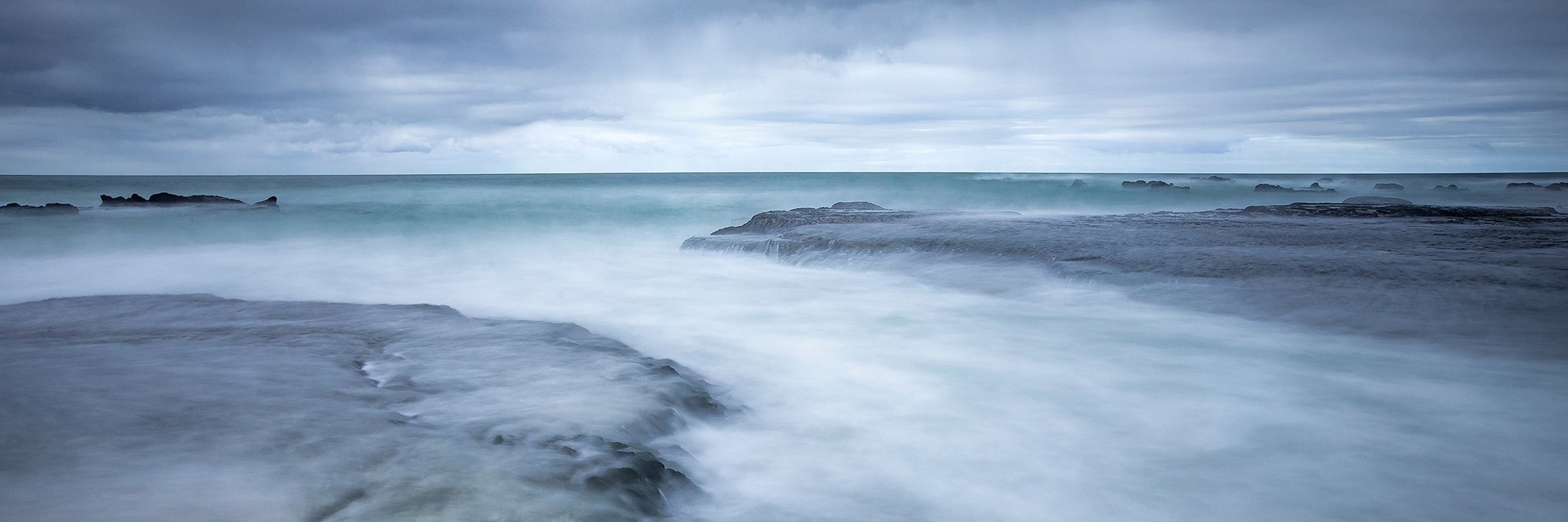
Stilbaai, Southern Cape
Landscape Photography Course in Stilbaai
Five days of landscape photography on the Southern Cape coast, taught in a small group by Martin Osner. Seascapes at first and last light, a day in the fynbos, and a day photographing the fishing community at the harbour.
- Dates
- 18 to 22 October 2027
- Where
- Stilbaai, Western Cape
- Group size
- Nine places
- Course fee
- R19,500
What you will photograph
Three subjects, over five days, all within twenty minutes of the studio
Stilbaai sits on the Southern Cape coast where the Goukou River meets the sea. Almost everything we photograph is a short drive from the classroom, which means more time making pictures and less time in the car.
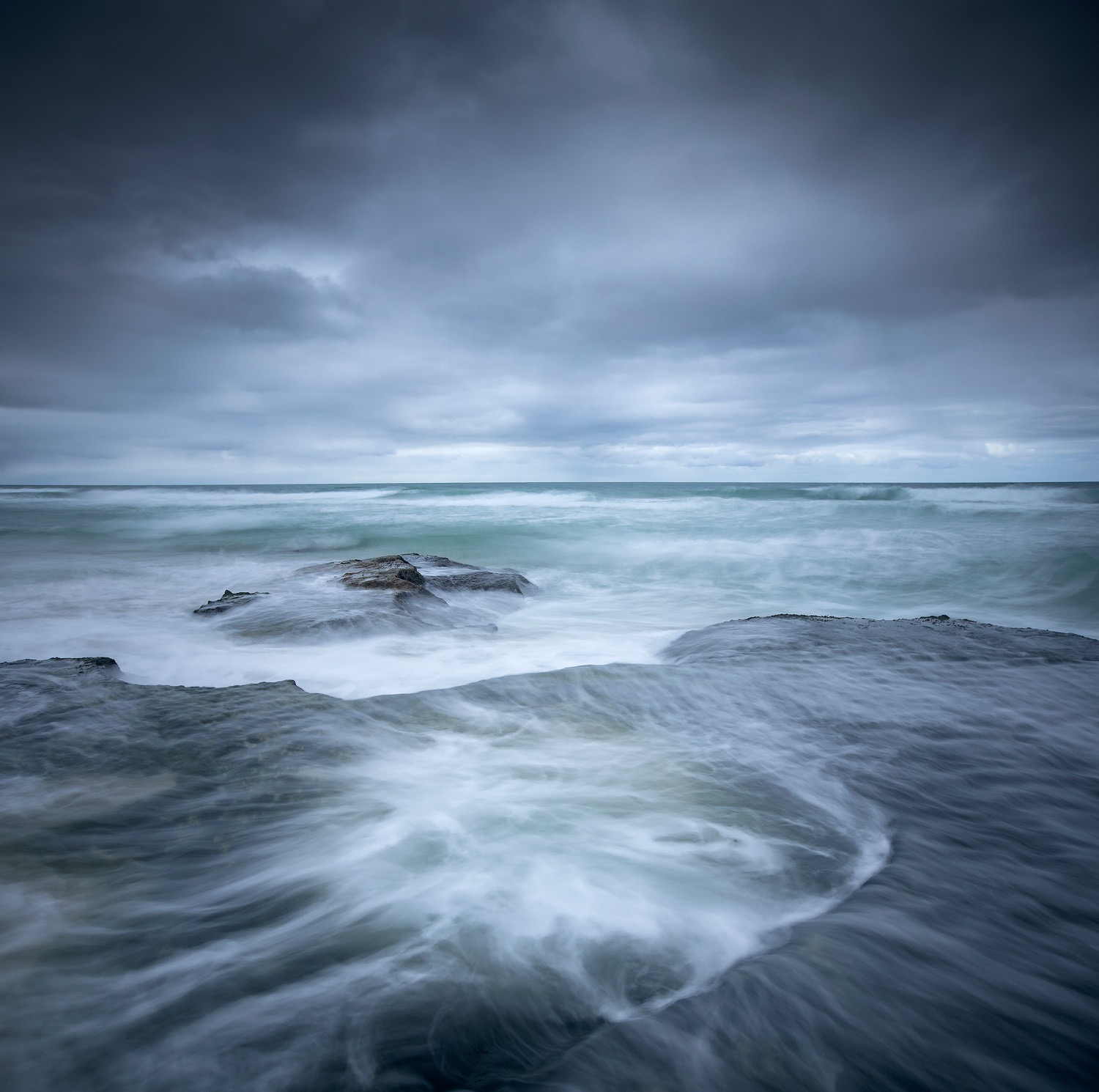
Subject one
Seascapes
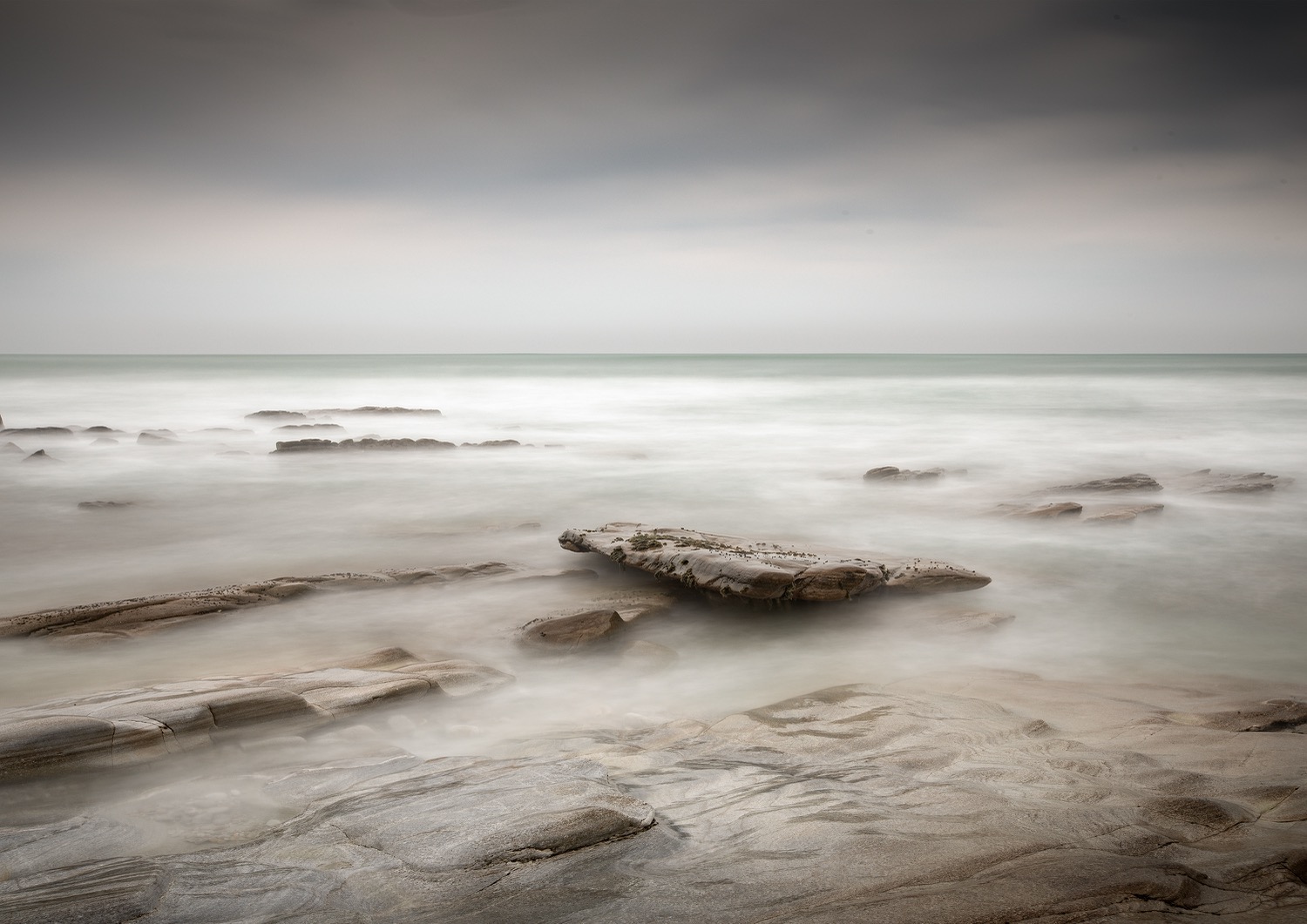
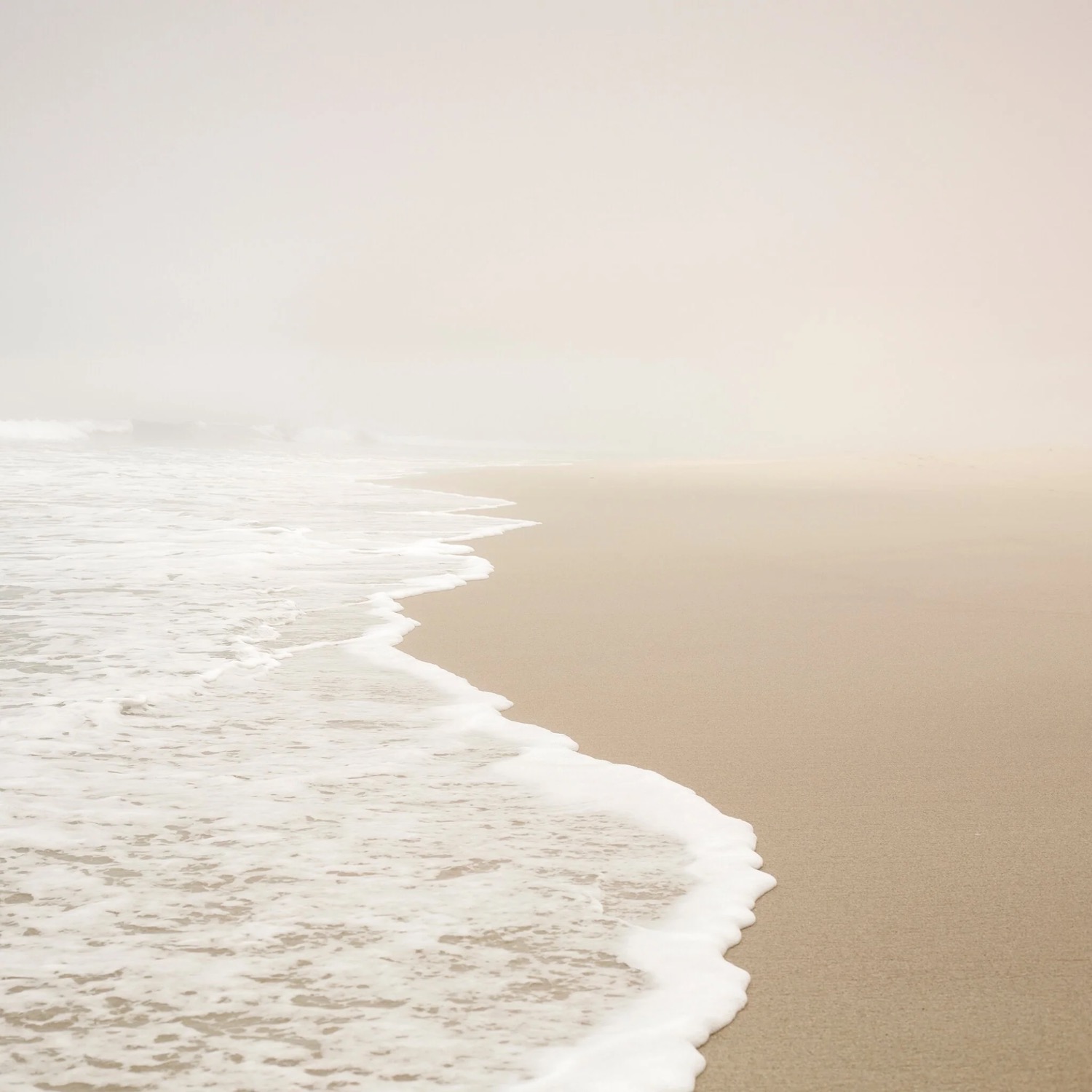
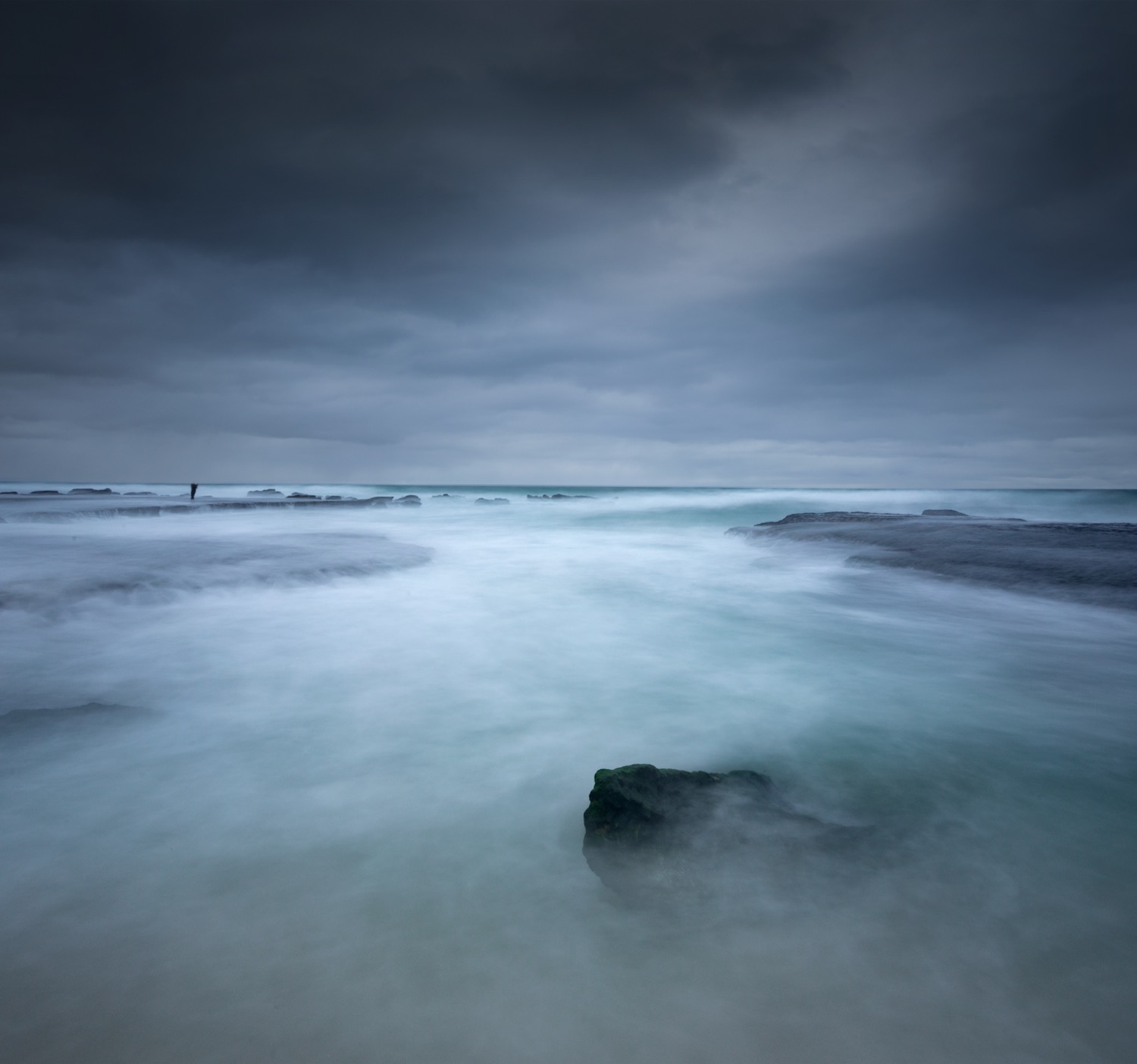
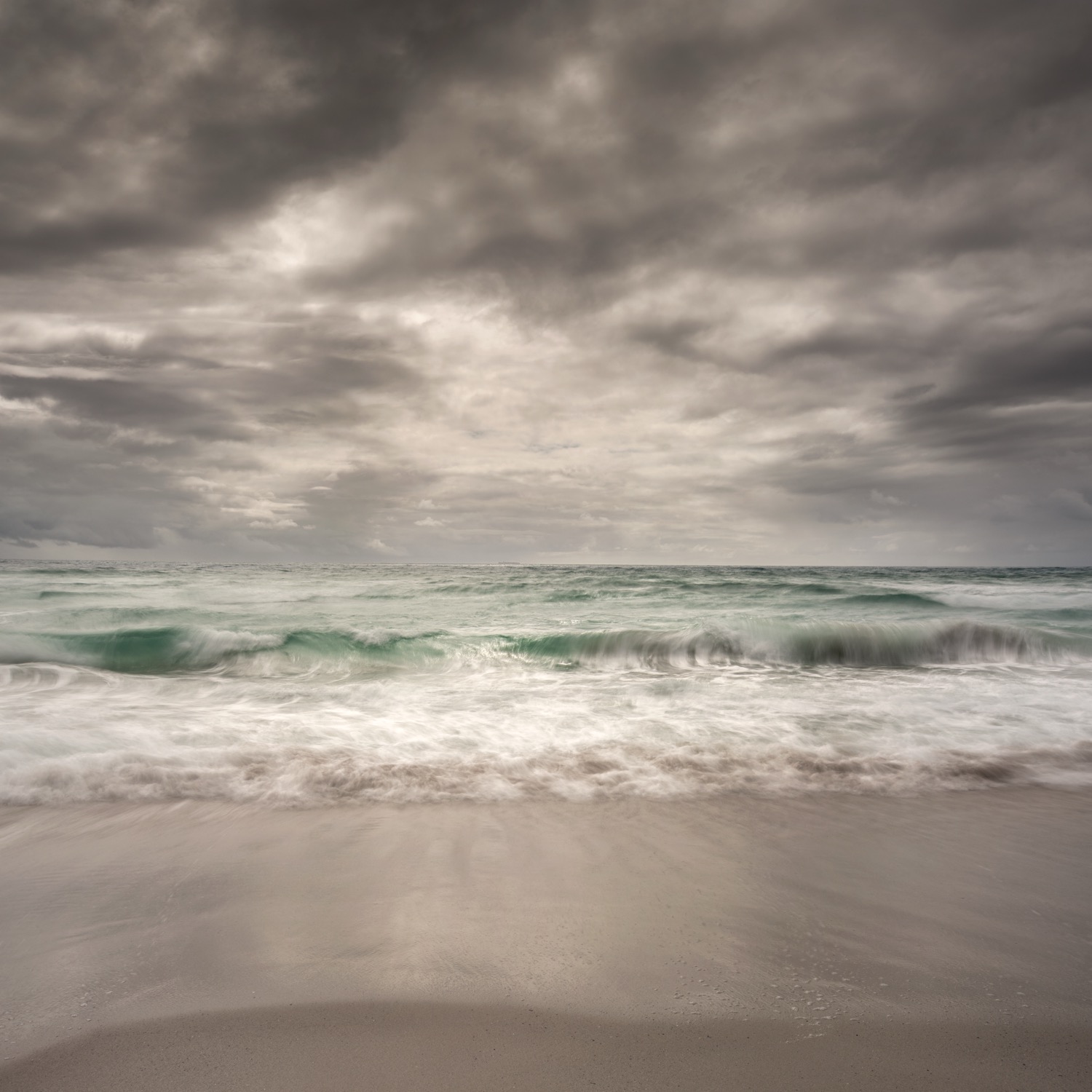
The main focus of the course, and where most of our mornings and evenings go. Rock shelves, breaking water, long exposures and the quiet minimal frames the Southern Cape does so well.
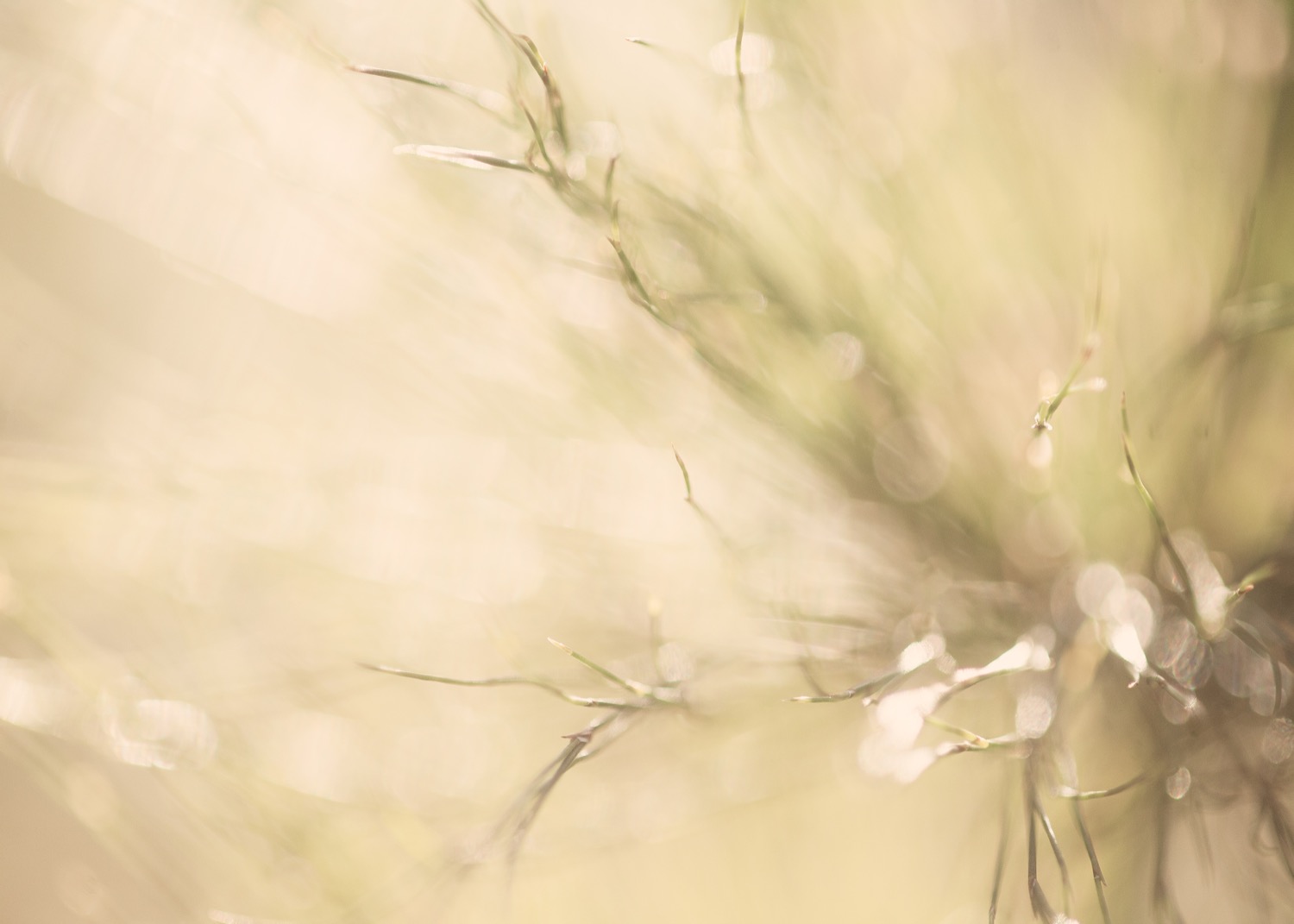
Subject two
Fynbos and the flowering coast
A full day set aside for the coastal fynbos on the reserves around the town. October is late spring here, so we work with whatever is in flower, close in and as landscape.
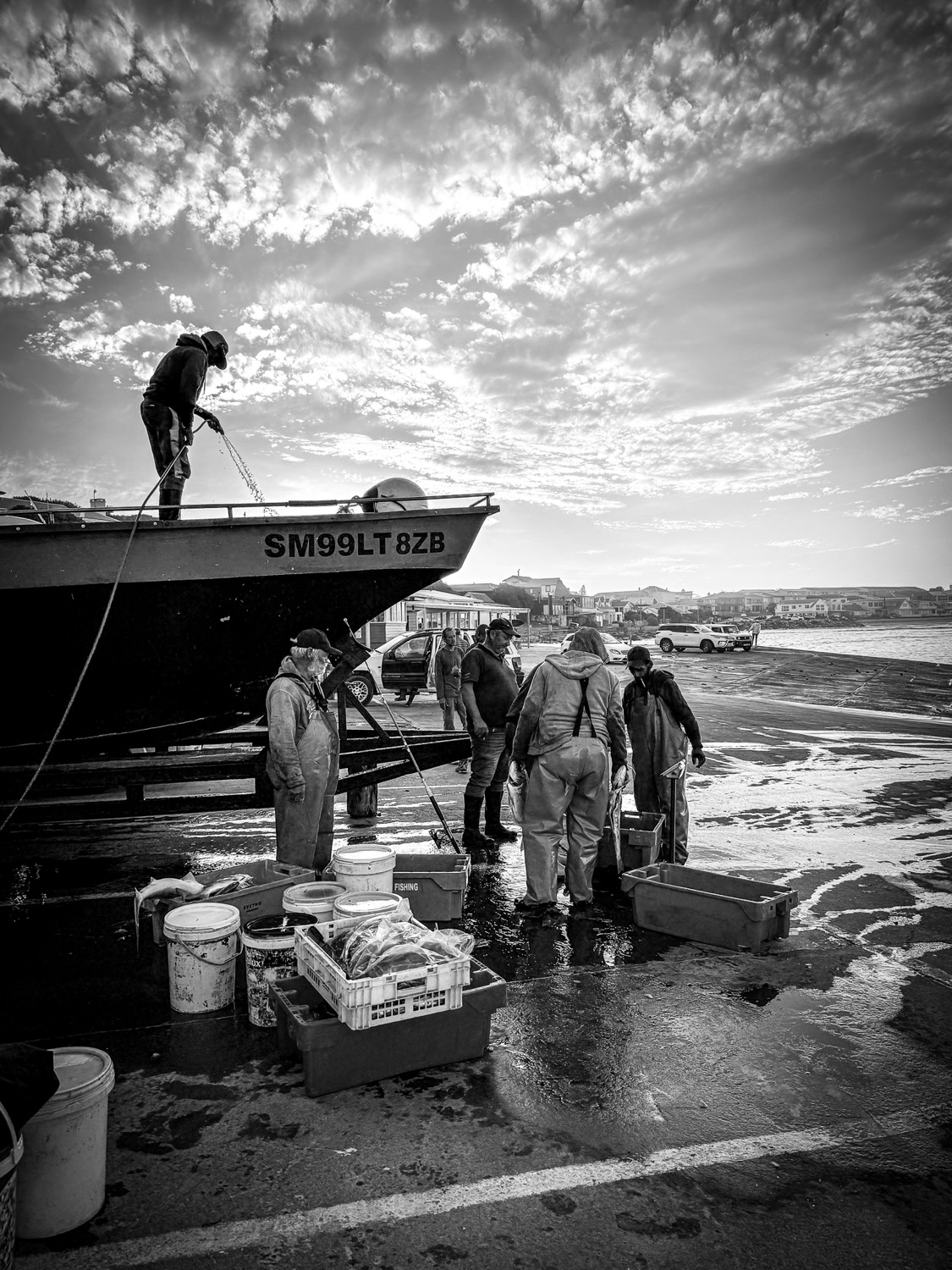
Subject three
The fishing community at the harbour
One day, and possibly a second outing, photographing the working harbour and the fishing families of Melkhoutfontein. Documentary work, done with permission and done respectfully.
Where we work
Six locations, all of them within a short drive
Stilbaai is a small town with an unusual amount of coastline packed around it. These are the places we go back to, and each one asks for a different approach.
The ancient fish traps at Skulpiesbaai
Stone tidal traps built by the Khoisan, some of them thousands of years old, still holding fish today and declared a National Heritage Site in 2018. They only appear at low tide, so we time a morning around the tide table.
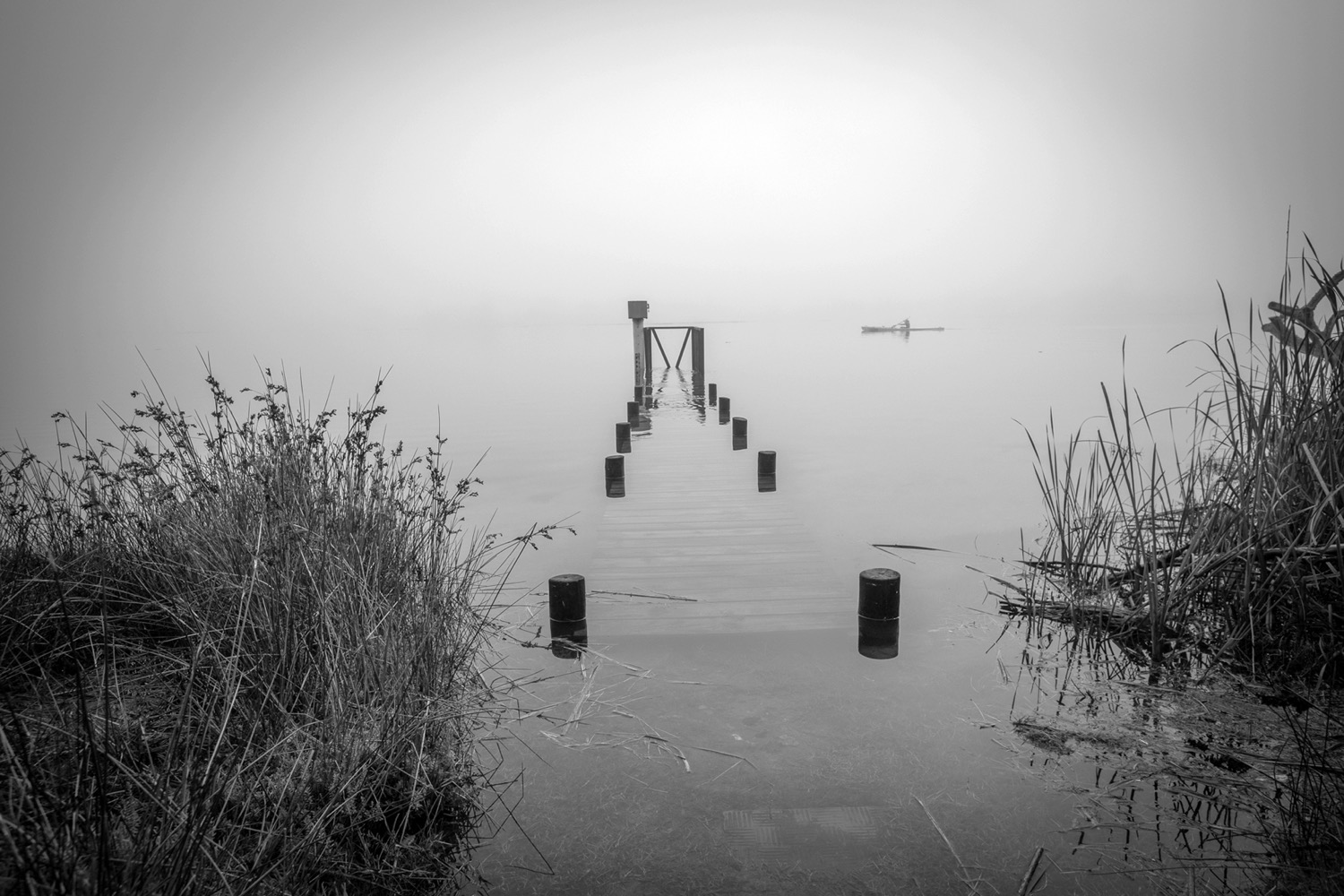
The Goukou River and the jetty
The river changes colour from one day to the next. At high water the jetty floods and stands ankle deep, which is the frame most people come away with, and it is made with a long exposure.
The long empty beach and the rock formations
A wide beach you can walk for an hour without meeting anybody, with rock shelves at the far end that hold water as the tide pulls back. This is the main seascape ground.
The coastal fynbos reserves
The reserves on the edge of town, including Pauline Bohnen, hold coastal fynbos and strandveld. Our fynbos day is spent here, working both wide and very close in.
The harbour and the fishing community
A small working harbour with boats going out and coming back in, and the fishing families of Melkhoutfontein and Jongensfontein whose people have fished this coast since the 1870s.
The forest, the stream and the farm ruins
A patch of forest and a stream below the studio, and old stone farm ruins along the dirt road that runs beside the river. Quiet, sheltered, and useful on a day the wind is up.
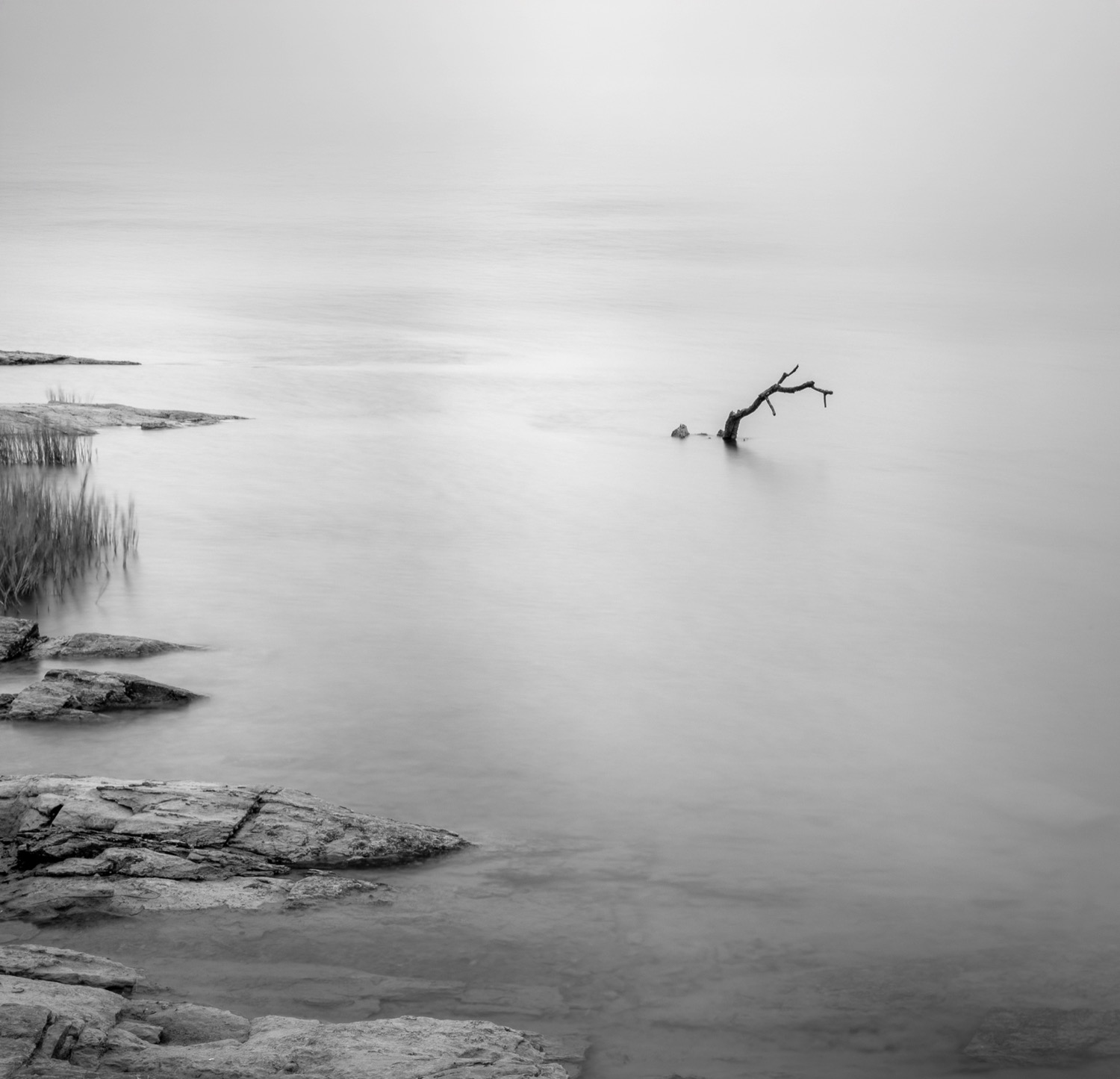
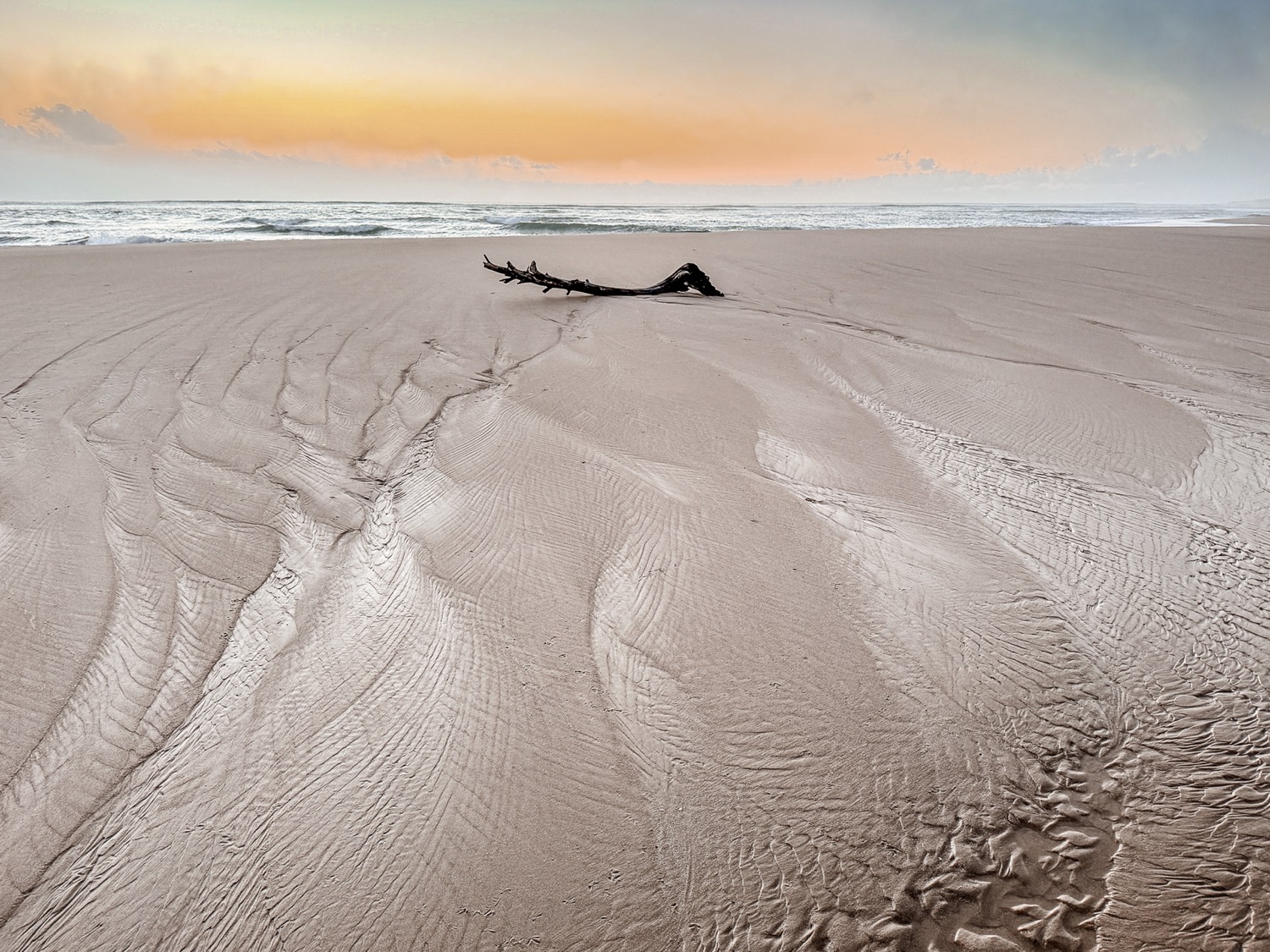
Which location we work on each day is decided on the day. The tide, the swell and the light all get a say, and part of what you learn on this course is how to read those three things and pick the right place to be standing.
The creative day
One full day on creative technique, all of it made in the camera
Four of the five days are landscape and documentary work. One day is given entirely to making photographs that stop describing the coast and start interpreting it.
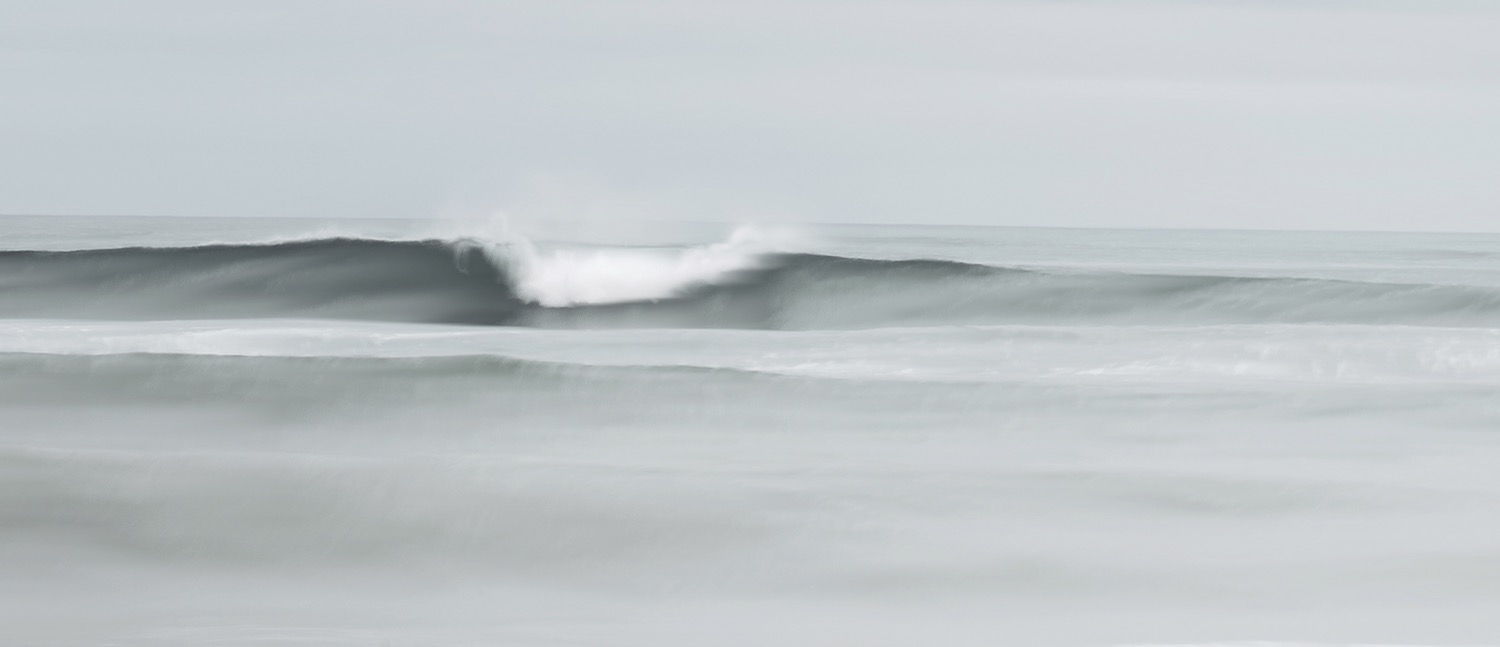
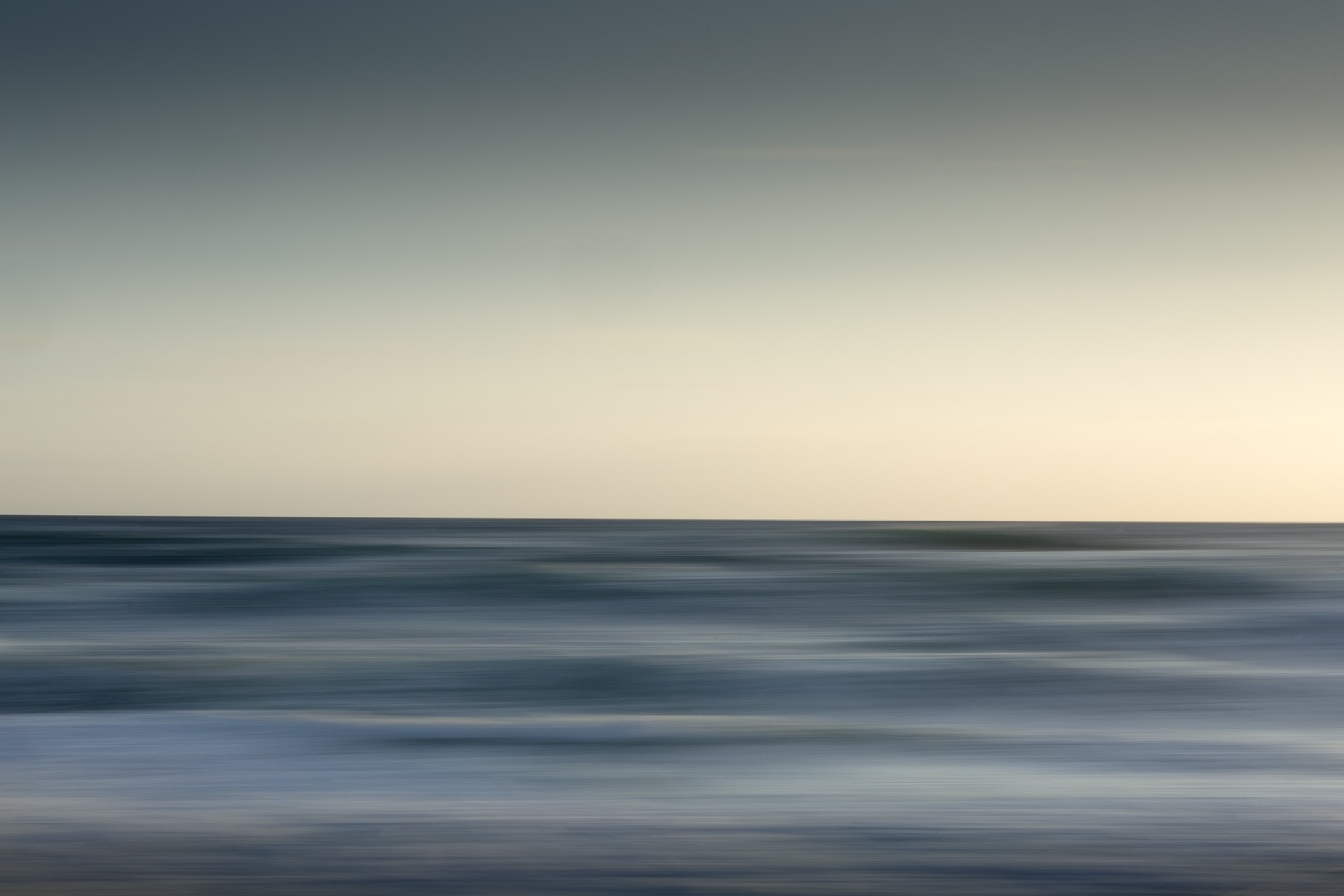
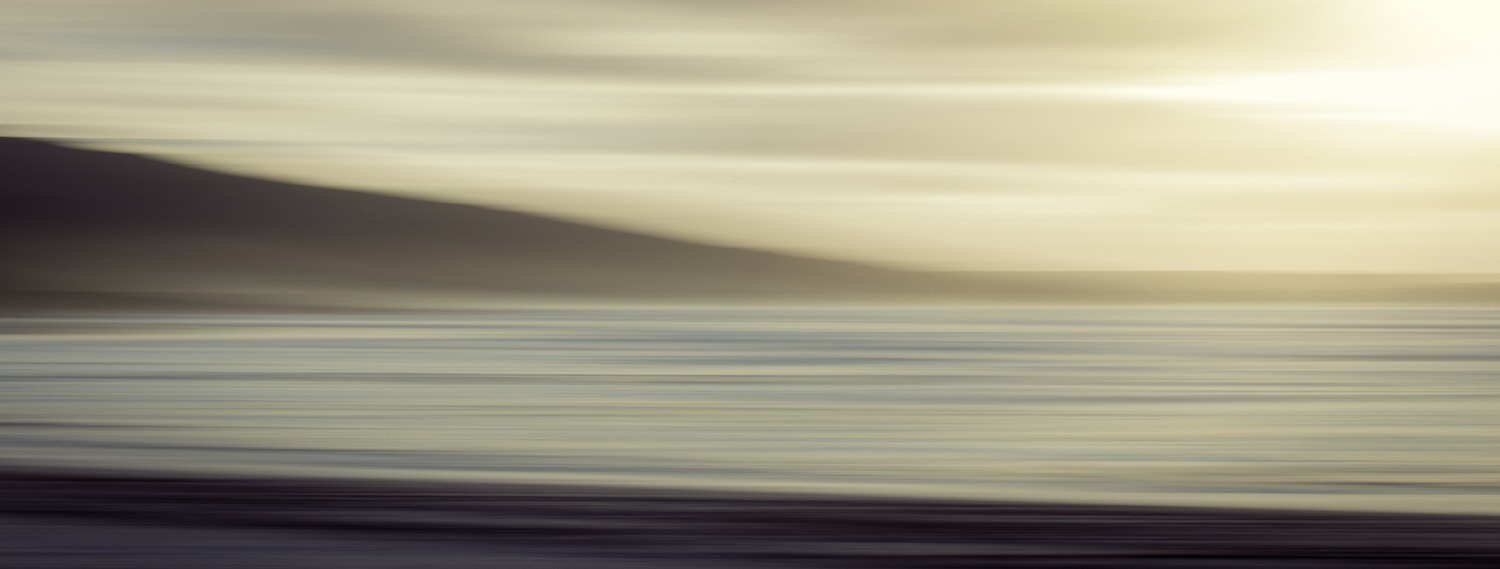
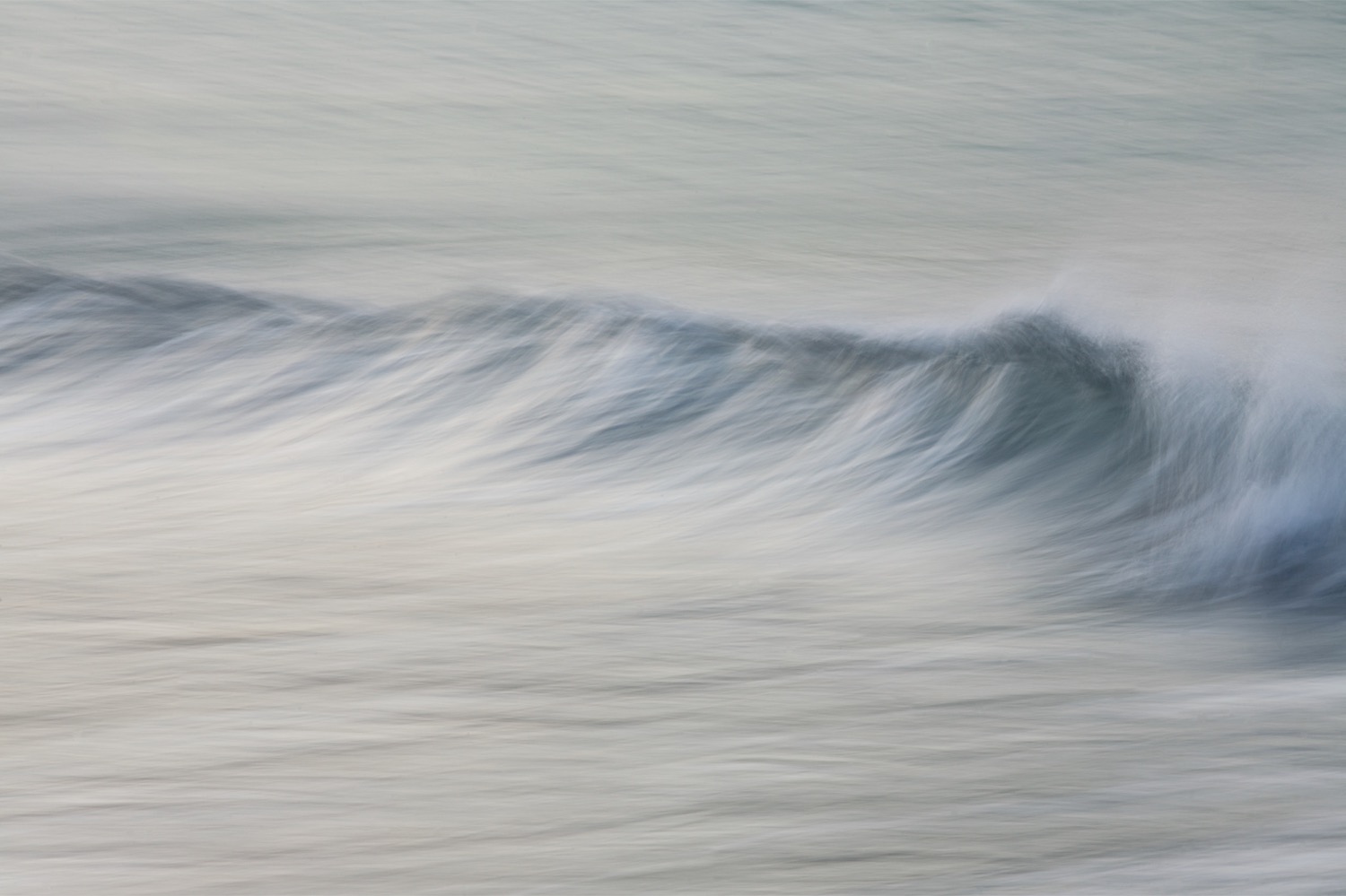
Multiple exposure, intentional camera movement, long exposure and minimal design. You will learn each one on location, with the camera in your hands and the result on the back of the screen inside a minute, so you can see straight away what changing the shutter speed or the number of frames actually does to the picture.
None of this is done afterwards in Photoshop. It is done at the moment of exposure, which is why it has to be taught outdoors and not in a classroom.
How the days run
Out at first light, out again in the late afternoon, teaching in between
The best light on this coast comes early and late, so that is when we are outside with cameras. The middle of the day is when the teaching, the reviewing and the demonstrations happen.
First light
On location before sunrise
We leave early and are set up while it is still dark. Seascapes, the fish traps at low tide, or the river, depending on the tide that morning.
Late morning
Back to the studio to look at the work
Breakfast, then we sit down together and go through what everybody made that morning. This is where most of the learning actually lands.
Early afternoon
Discussion and demonstration
Classroom sessions on composition, light and technique, and demonstrations on location of the things that are easier shown than explained.
Late afternoon
Out again for the evening light
The second working session of the day, running through sunset and often past it, because the fifteen minutes after the sun has gone are usually the best fifteen minutes.
Evening
Supper together, on some of the nights
On one or two evenings we get the group together for a fish braai with fish straight off the boats. Optional, charged per head, and you bring your own wine.
- Arrive
- Sunday 17 October 2027, so you are settled before we start
- First session
- 10h00, Monday 18 October 2027
- Finish
- Friday 22 October 2027, after the morning session
You will not be standing in a row taking the same photograph as everybody else
This matters enough to say plainly. On an Osner course nobody lines the group up along a rock shelf on the same spot with the same lens. You are given your own space to work in, and I come to you, one at a time, over your shoulder, while you are making the picture.
That is only possible with a small group, which is why there are nine places and not twenty. It also means the course works whether you have been photographing for two years or twenty, because the teaching is aimed at you rather than at the middle of the room.
The documentary day
A day photographing the fishing community at the harbour
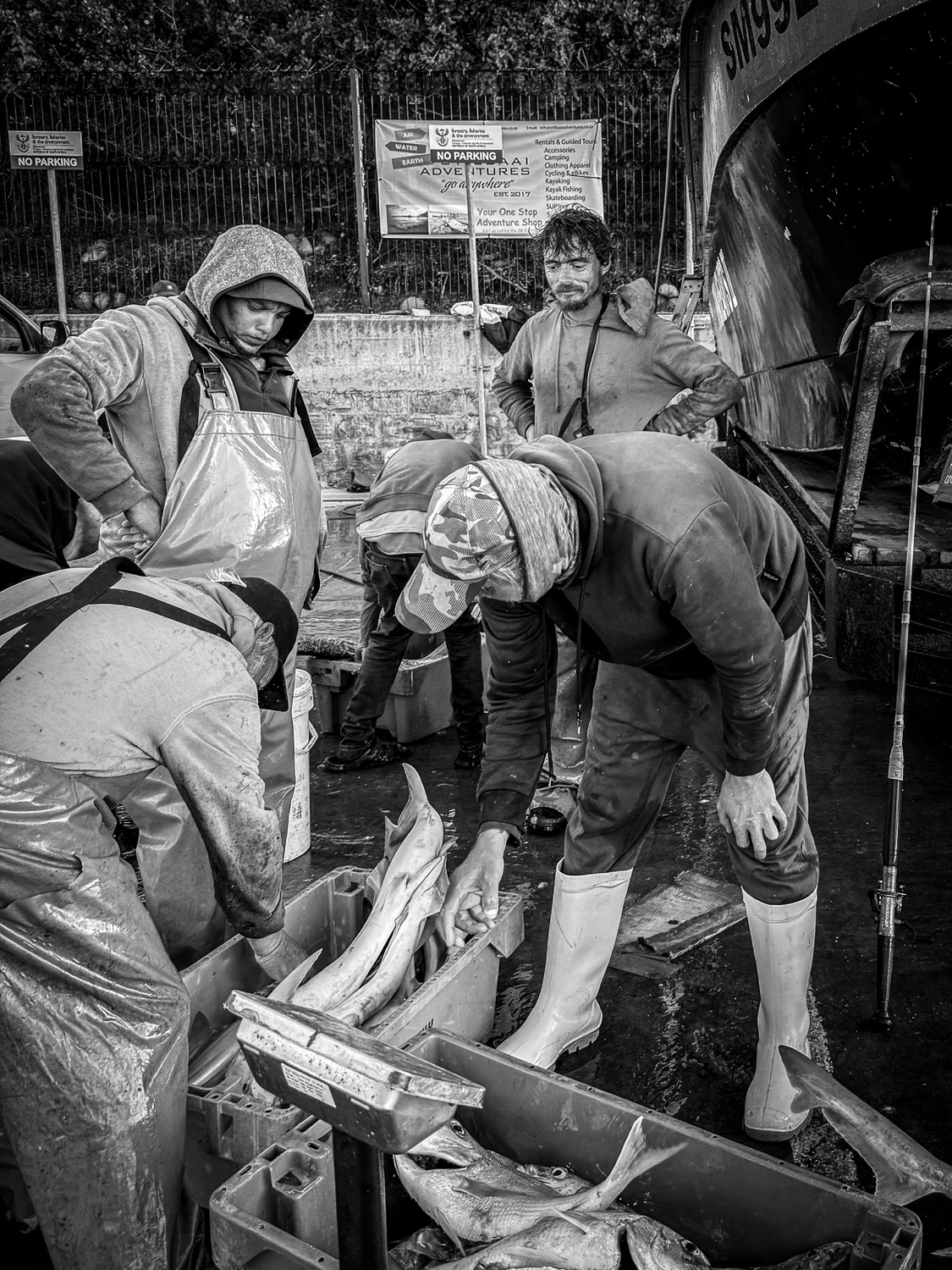
Stilbaai has a small working harbour, and behind it two villages, Melkhoutfontein and Jongensfontein, where families have fished this coast since the 1870s. Boats still go out and still come back in with a catch.
We put aside a day, and depending on the weather sometimes a second outing, to photograph that. It is a completely different discipline from standing on a rock shelf waiting for a wave. You have to get close, you have to ask, and you have to be patient enough to still be there when the good moment happens.
I will show you how to work in close on people without making them uncomfortable, how to ask, and how to read a working scene so that you are standing in the right place before the thing you want to photograph occurs.
We photograph there as guests. Access is arranged in advance, permission is asked, and nobody is photographed who does not want to be. That is not a formality, it is how we are able to keep going back.
Who this course is for
Photographers who already know their camera and now want better pictures out of it
This is not a course on how to use a camera. You should be able to set your own exposure and change your own settings without help. Everything after that we can teach you here.
Landscape photographers who keep coming home with pictures that are correct but flat
Sharp, well exposed, and somehow not worth printing. Almost always the problem is where you were standing and when you were standing there, not the camera. That is exactly what five days on one stretch of coast fixes.
Photographers who want to start interpreting a place rather than only recording it
If you have seen long exposure, multiple exposure or intentional camera movement work and wanted to know how it is actually done, the creative day is built for you. You will make those pictures yourself, on location, with me next to you.
What to bring
Nothing exotic. If you already photograph landscape you will own most of this. Bring the manual for your camera even if you think you will not need it.
- A camera you can set manually, and its manual
- A tripod that will stand still in wind, this one is not optional
- A wide lens and a mid range lens, plus a longer lens if you have one
- Neutral density filters and a polariser
- Spare batteries and more memory cards than you think you need
- A laptop with your editing software, for the review sessions
- A warm windproof jacket and shoes you do not mind getting wet
- A head torch for the walks in before sunrise
It was one of the best weeks of my life. I have learned more in the last week than in the previous ten years since I bought my first DSLR.
Jacoba van Zyl, past landscape course
Cost, staying over, and booking
What the course costs and what is in it
One fee for the five days of teaching. Accommodation and travel are arranged by you, and there is a note below on where people usually stay.
R19,500
Per person, for the full five days, 18 to 22 October 2027.
Nine places only
Included
- Five full days of tuition with Martin Osner
- Every on-location session, morning and evening
- All classroom sessions and on-location demonstrations
- Daily group review of the work you made that day
- Use of the studio through the week
Not included
- Accommodation and your travel to Stilbaai
- Meals, and the optional group supper evenings
- Camera equipment, filters and a tripod
Where to stay
The course runs from a private studio in Stilbaai, and the house it belongs to has three guest rooms, each with its own bathroom. They go to the first three people who ask, so if you would like one of them say so when you book and we will put you in touch directly.
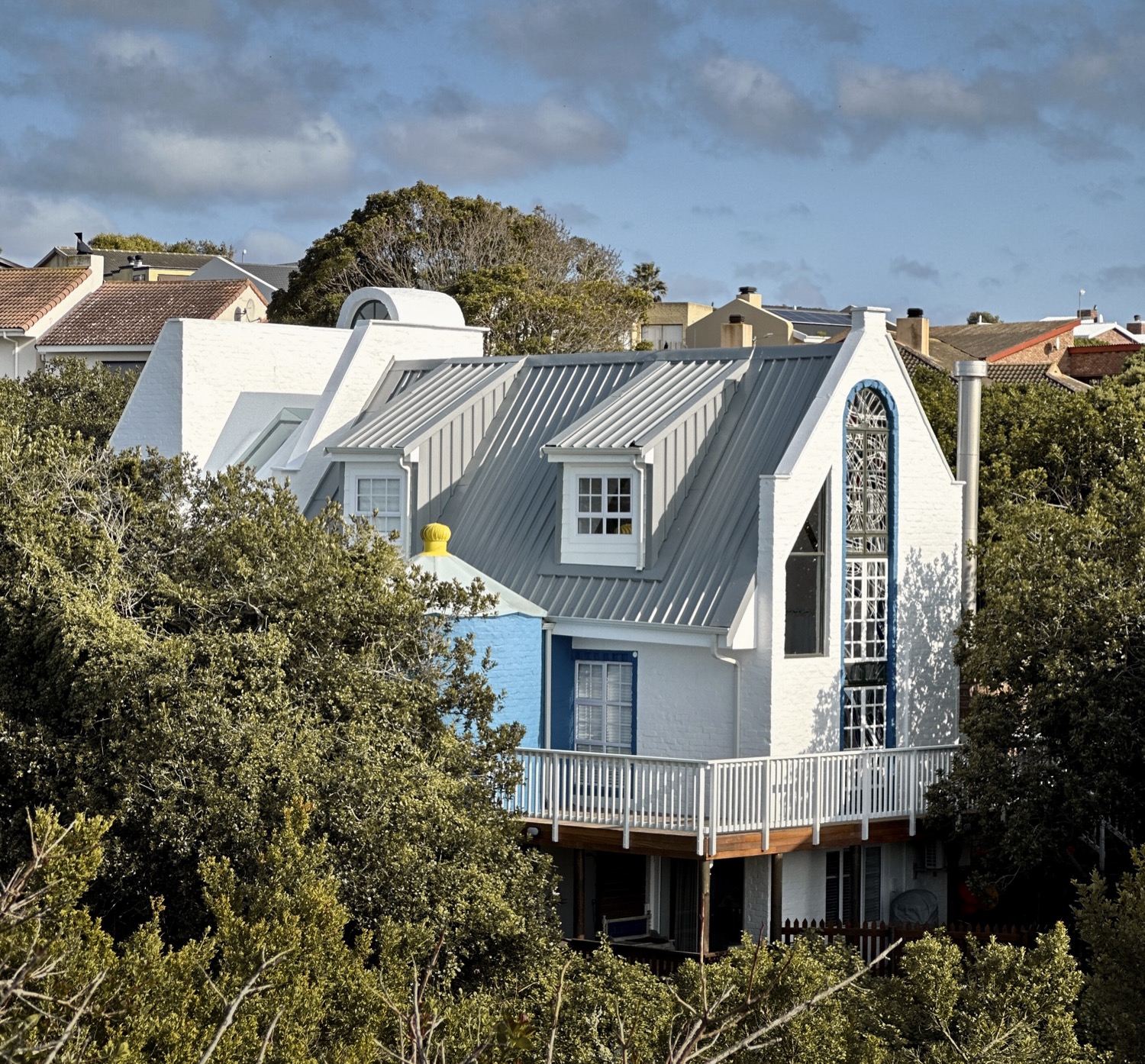
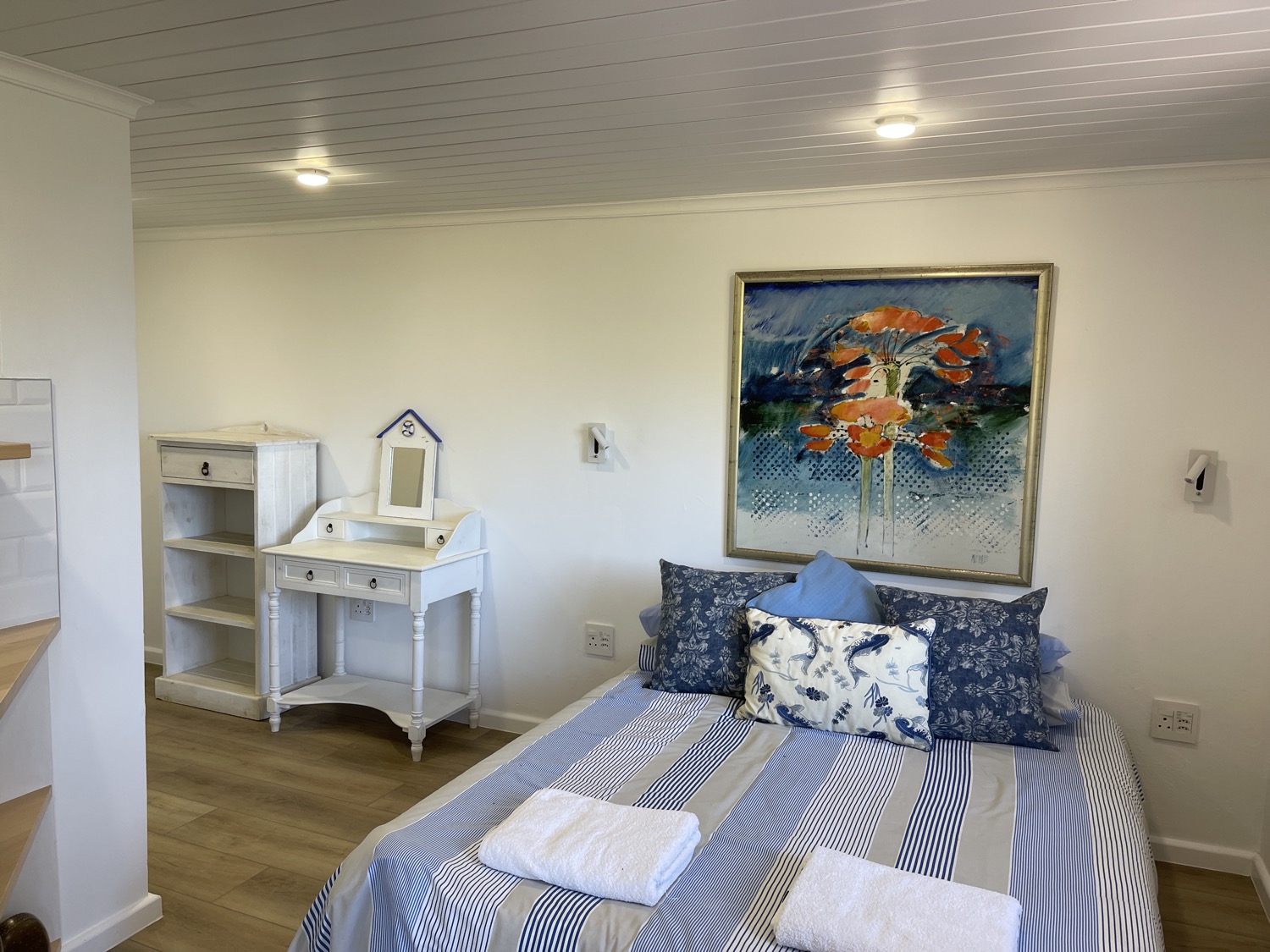
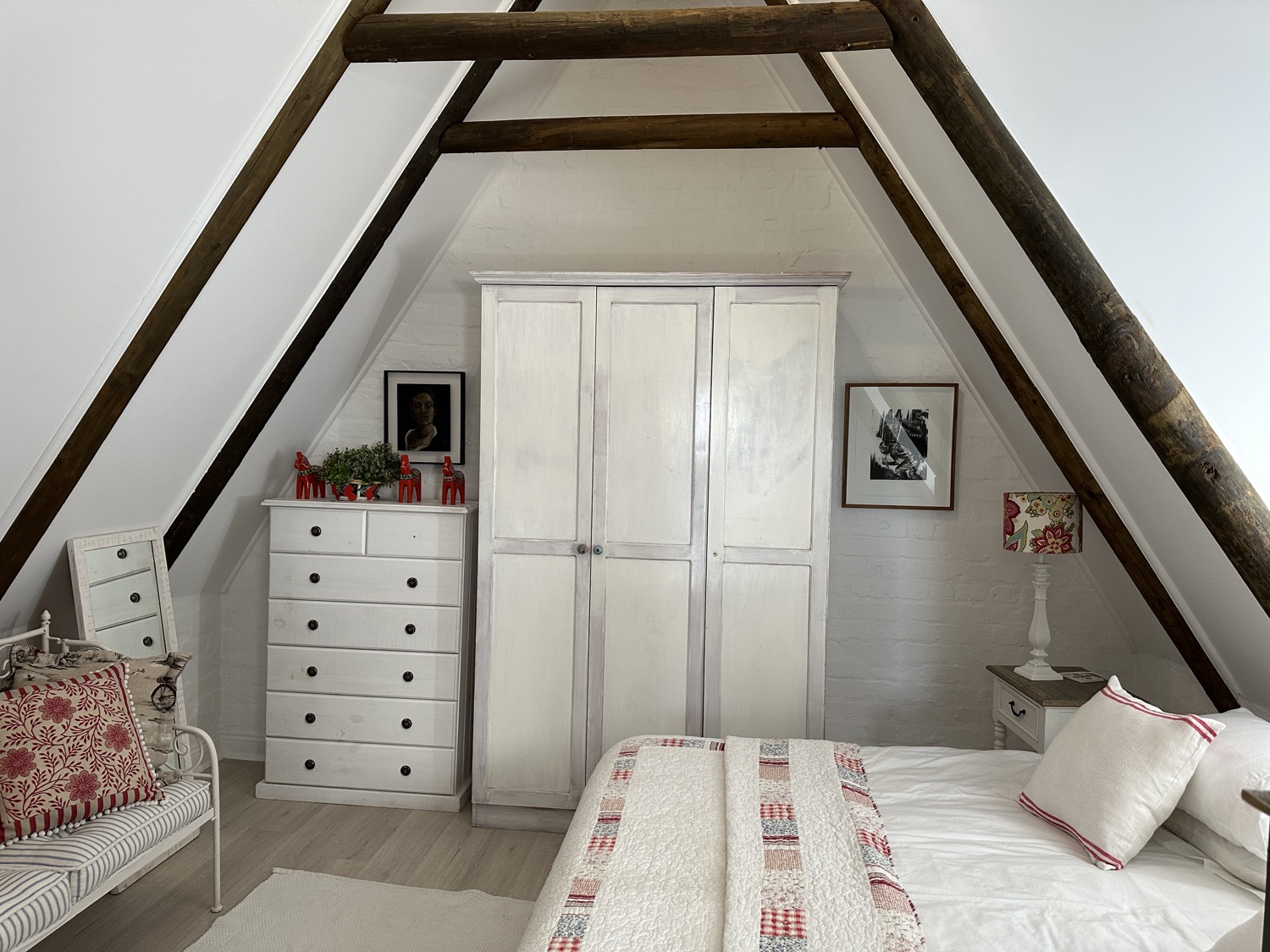
If the three rooms are taken, Stilbaai has plenty of self catering and guest houses, and October is outside the busy season. Airbnb and Booking.com both cover the town well. Expect somewhere around R1,200 to R1,500 a night for something comfortable and close in.
Book your place on the course
Fill in the booking form and we will come back to you with the deposit details and everything you need to arrange your travel. If you would rather ask a question first, write to us instead.
Before you pay, please read our cancellation policy. It sets out the deposit, what comes back if you need to cancel, and the three ways round it.
Before you book
The questions we are asked most
Do I need to be an experienced photographer?
You need to be able to work your own camera. If you can set your exposure, change your aperture and shutter speed and find your way around your menus without help, you are ready for this course. Everything above that line, we teach you here.
If you are still learning the camera itself, start with one of the online courses first and come to Stilbaai afterwards. You will get far more out of it.
When should I arrive and when does it finish?
Arrive on Sunday 17 October 2027 so that you are unpacked and settled before we start. The first session is at 10h00 on Monday 18 October, and the course finishes after the morning session on Friday 22 October 2027.
Where is Stilbaai and how do I get there?
Stilbaai, also written Still Bay, sits on the Southern Cape coast at the mouth of the Goukou River, on the western end of the Garden Route. It is roughly four hours by road from Cape Town on the N2.
The nearest airport is George, about ninety minutes away by car. You will need a car for the week regardless, because we are out on location twice a day and we travel to the locations as a small convoy.
Will the flowers be out in October?
Some of them. October is late spring on this coast and the coastal fynbos and strandveld are still flowering, which is what our fynbos day is built around, both as landscape and close in.
To be clear about one thing, this is not a Namaqualand flower trip. Namaqualand is about five hundred kilometres north of here in the Northern Cape, and its season is August and September. What you get in Stilbaai in October is Cape coastal fynbos, which is a quieter and, to my eye, a far more photographable thing.
How much walking is there?
A reasonable amount, on beach sand and over rock, carrying your own camera and tripod. Nothing technical and nothing steep, but you should be steady on your feet and comfortable being out for two or three hours at a time in the early morning.
Some of the best rock shelves are wet and slippery. Sensible footwear matters more here than any piece of camera equipment.
What happens if the weather turns?
We photograph anyway. Some of the strongest work on this coast is made in weather that would send most people back to the car, and learning to read a front coming in is part of the course.
If it becomes genuinely unworkable we move to the sheltered locations, the forest and the stream and the farm ruins, or we bring the session indoors and use the time for teaching and review instead. No day is wasted.
Are meals included?
No. You arrange your own breakfasts and lunches, and Stilbaai has enough places to eat that this is easy.
On one or two evenings we get the group together for a fish braai with fish straight off the local boats. That is optional, it is charged per head, and you bring your own wine.
Do I need to bring a laptop?
Yes, with whatever editing software you normally use. We go through the work as a group every day, and it is much easier to talk about a photograph when we can all see it properly rather than on the back of a camera.
How do I pay, and is a deposit required?
Fill in the booking form and we will send you the payment details and the deposit amount, along with everything you need to book your travel. Your place is held once the deposit is in.