
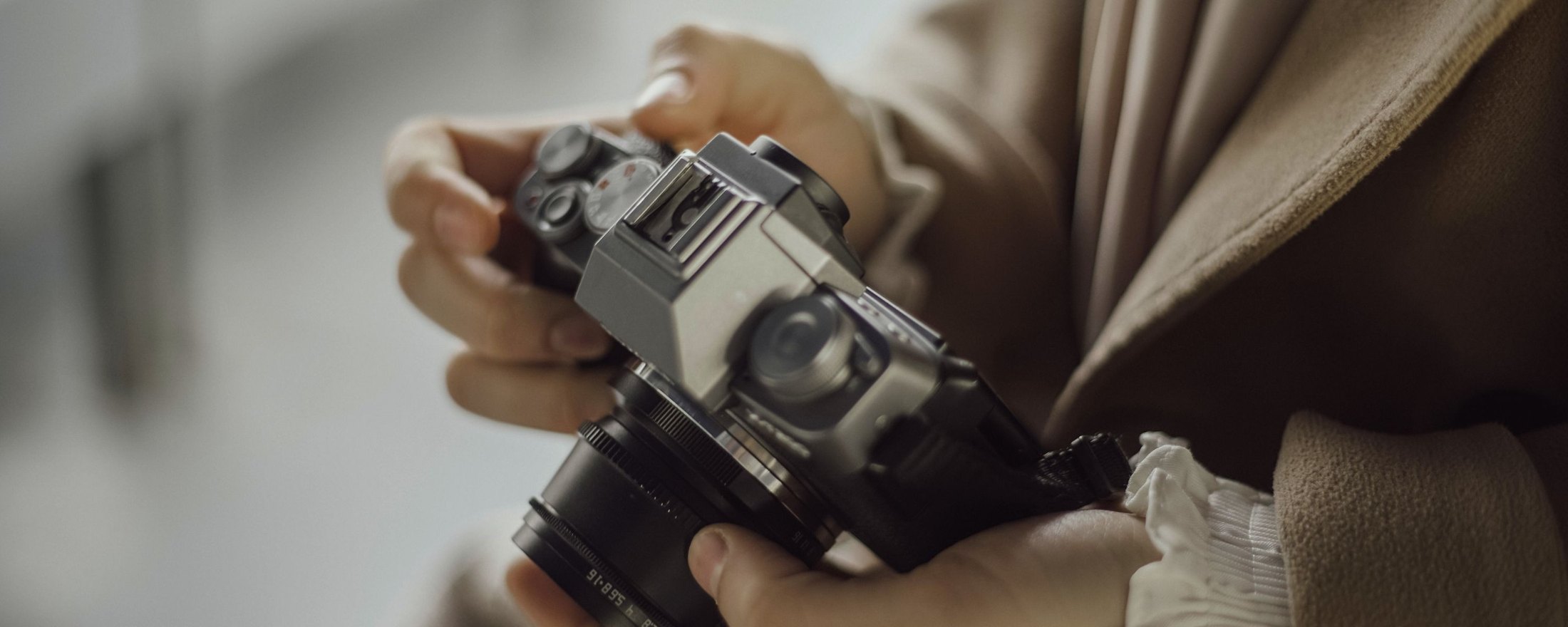
Photography Essentials
New to photography? This is where you start
Photography Essentials, understanding the basics. The course that comes before every other course.
It is not really about learning to operate your camera. What matters far more is understanding the terminology and the photographic system itself, and most people never do. They stay stuck at a level well below the one they should have reached, because nobody ever sat them down and explained how it actually works.
And it is easier than people expect. Photography is built on maths, science and chemistry, so it behaves consistently every single time. Once you see how the system works, the terminology stops being jargon and starts being obvious.
You will learn the three controls that everything else is built on, ISO, the aperture and the shutter, how each one is measured, and how the three work against each other. You will learn what an f stop actually is, the unit of measurement photography runs on.
Why this course is your first step
Learn the fundamental basics of photography
Your camera has an automatic mode and a program mode, and in both of them the camera makes every decision for you. What the shutter does. What the aperture does. What it decides is correctly exposed and what it decides to throw away.
If that is the kind of photography you want, that is a perfectly reasonable choice, and you do not need this course.
But if you want to make those decisions yourself, you have to understand the mechanics. There is no way round it, and no amount of talent substitutes for it. This course reveals them and teaches them to you.
Skip it and you can still take good pictures. What tends to happen instead is that you never quite reach an advanced level, because everything at that level assumes the foundation is already there. You end up letting the camera decide, and quietly working around a gap you cannot name.
★★★★★
“I was excited to dive into photography when I bought my mirrorless camera. I went through the camera manual, but aside from a few settings, most of it didn’t make sense. Frustrated, I decided to use Auto mode, but that didn’t feel right. The whole reason I bought the camera in the first place was to learn photography properly.”
“[…] The step-by-step explanations made everything finally click. Now, I confidently use my camera in full manual mode, and I’ve even signed up for the Advanced Photography Course to keep growing.”
Elena Rowel Garcia, SpainNothing else on either site assumes you have not done this.
Let us see if this course is really something you should consider
Do you think you already understand the essentials?
Here is a challenge. Ten questions, and afterwards we will both know.
Almost everybody says yes, right up until they go through the list. If you want to go further in photography you should be able to answer at least seven of these ten without hesitation. This is exactly what a first year student would have been expected to know, and yet most self taught photographers get four or five.
Do not open an answer until you have thought about it properly. The best way to do this is to work down the list, write your answers on a piece of paper, and only then come back and check how you did.
What are the three key settings that make up the exposure triangle?
Name three factors that affect depth of field.
What type of light meter is built into DSLR and mirrorless cameras?
In full automatic or program mode, you photograph a white card, a black card and a grey card under exactly the same light. What do you expect each of the three to look like in the final picture?
What do ISO, Tv, Av, M and B stand for?
What is a stop in photography?
Can a RAW file be edited?
What does 35 to 105mm 1:3.5 to 4.5 on a lens mean?
Which is the smaller aperture, f8 or f5.6, and by how much?
Which aperture usually gives the sharpest result, f2.8, f8 or f22?
Seven or more
You are on solid ground. The intermediate to advanced course at the Art Photography Academy is where you should be starting. If you would rather have a refresher first, this one will do no harm at all.
See the Advanced course →Fewer than seven
That is not a failing, it is the most common result by a distance. It is also precisely what this course fixes, and why it is worth doing before anything else.
Keep reading →Where this course came from
Written for a lecture room, not for the internet
Almost every photography course online was written for the internet. This one was written for a lecture room, at the very beginning, to be stood up and delivered to a room of full time students who were becoming professionals.
That is why it is as thorough as it is, why it is so easy to follow, and why it still works. It was never assembled from videos. It was built to be taught.
Martin Osner writes this course, and then goes on to open the National College of Photography. It runs as a night school programme, and alongside it a year and a half full time programme for people intending to turn professional. On film, with no safety net. Digital photography demands exactly the same discipline.
The college is acquired by AdvTech, under Vega School of Branding.
Martin rewrites the course again, this time for his own Art Photography Academy, fully digital, and teaches it exclusively from his studio in Hout Bay, Cape Town.
Onto Zoom, and now completely online, adapted for DSLR and mirrorless. Thousands of photographers have been through this material in one form or another. It is taught elsewhere by other people working from the modules. Here you do it with the person who wrote it.
Who is teaching it
A photographer and educator who spent thirty years being paid only if the client was happy
Cars, jewellery, food, wine estates, architecture. Commercial work where the brief was fixed, the light was whatever you were given, and there was no second attempt. This is not theoretical teaching. It is practical teaching, proved on real jobs long before it was ever taught.
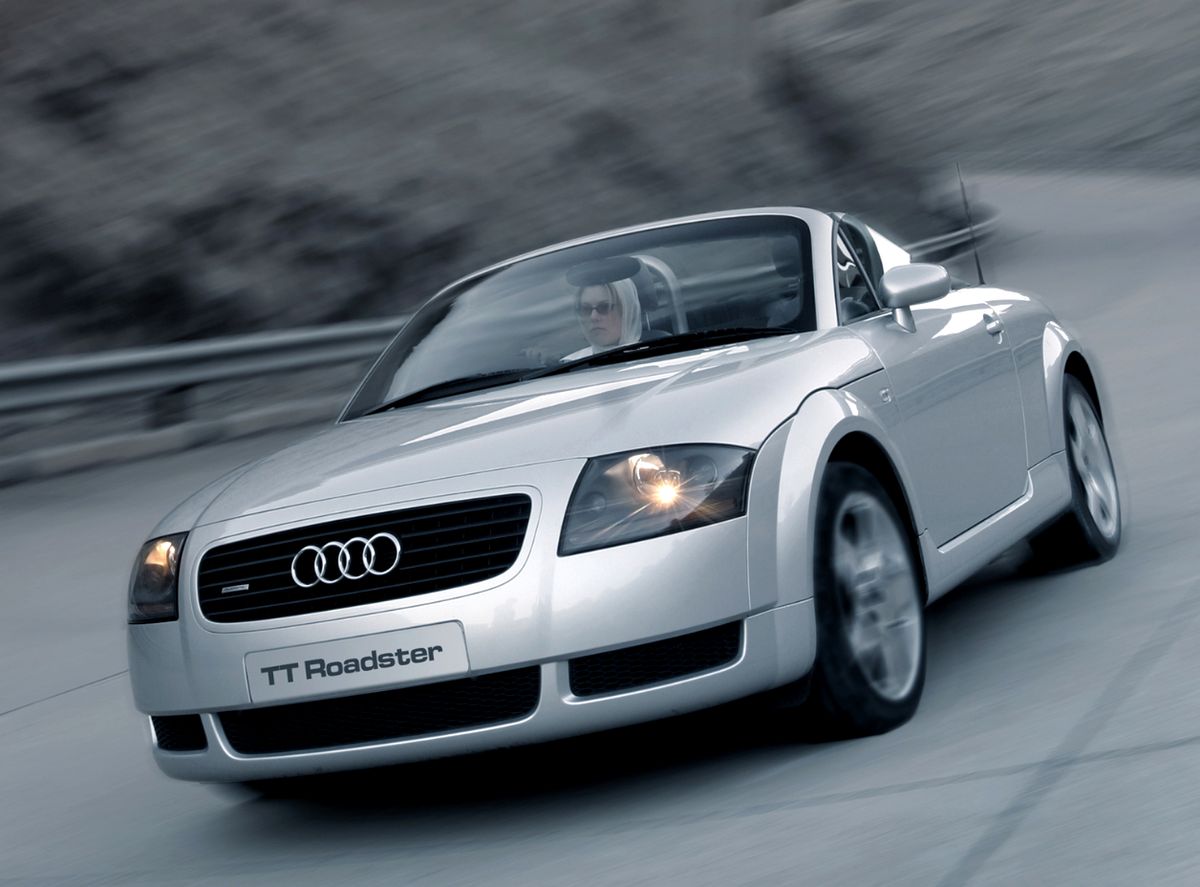
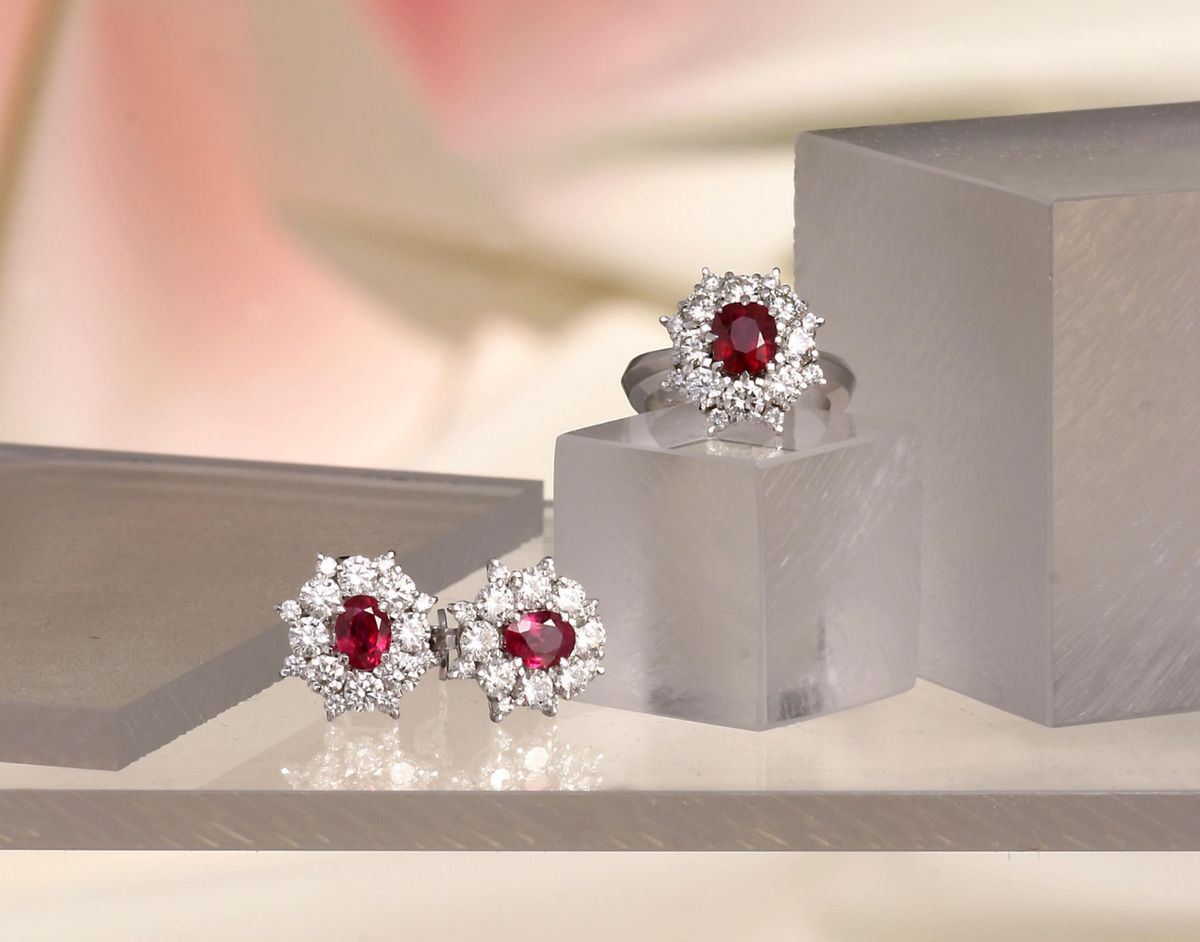


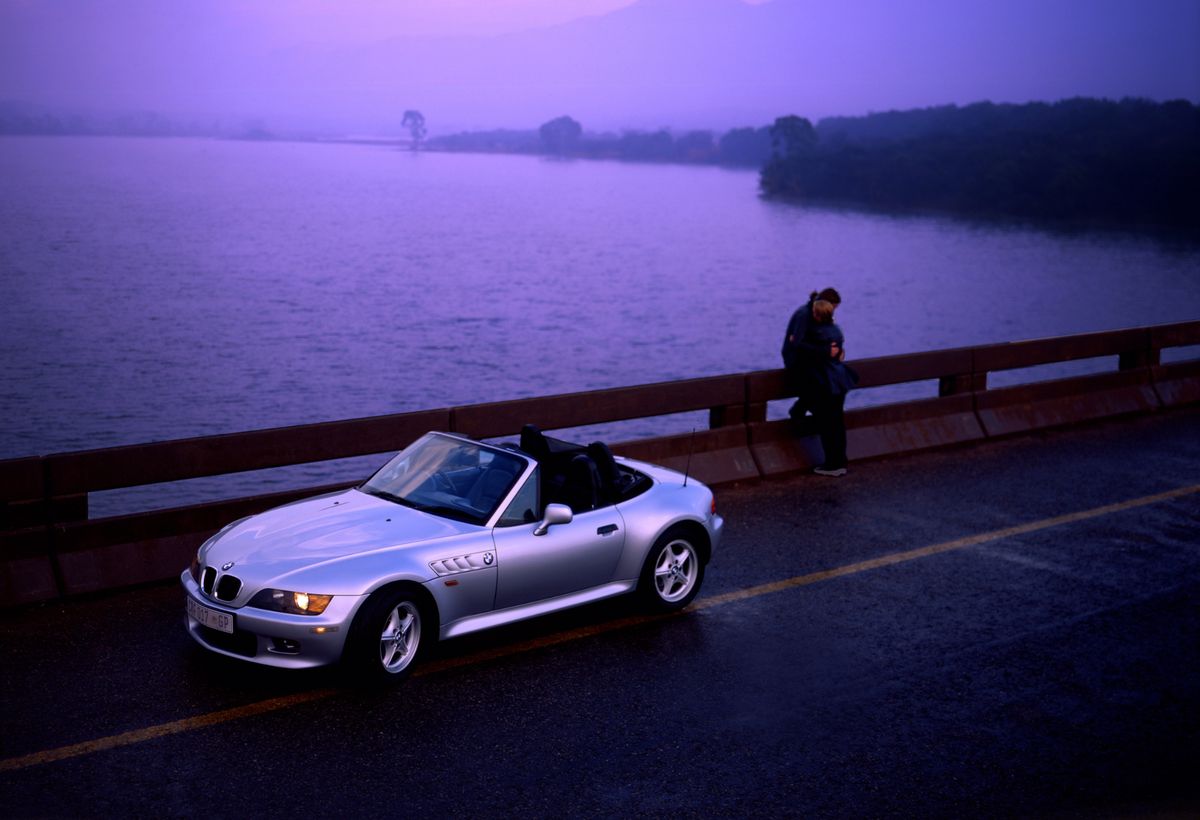
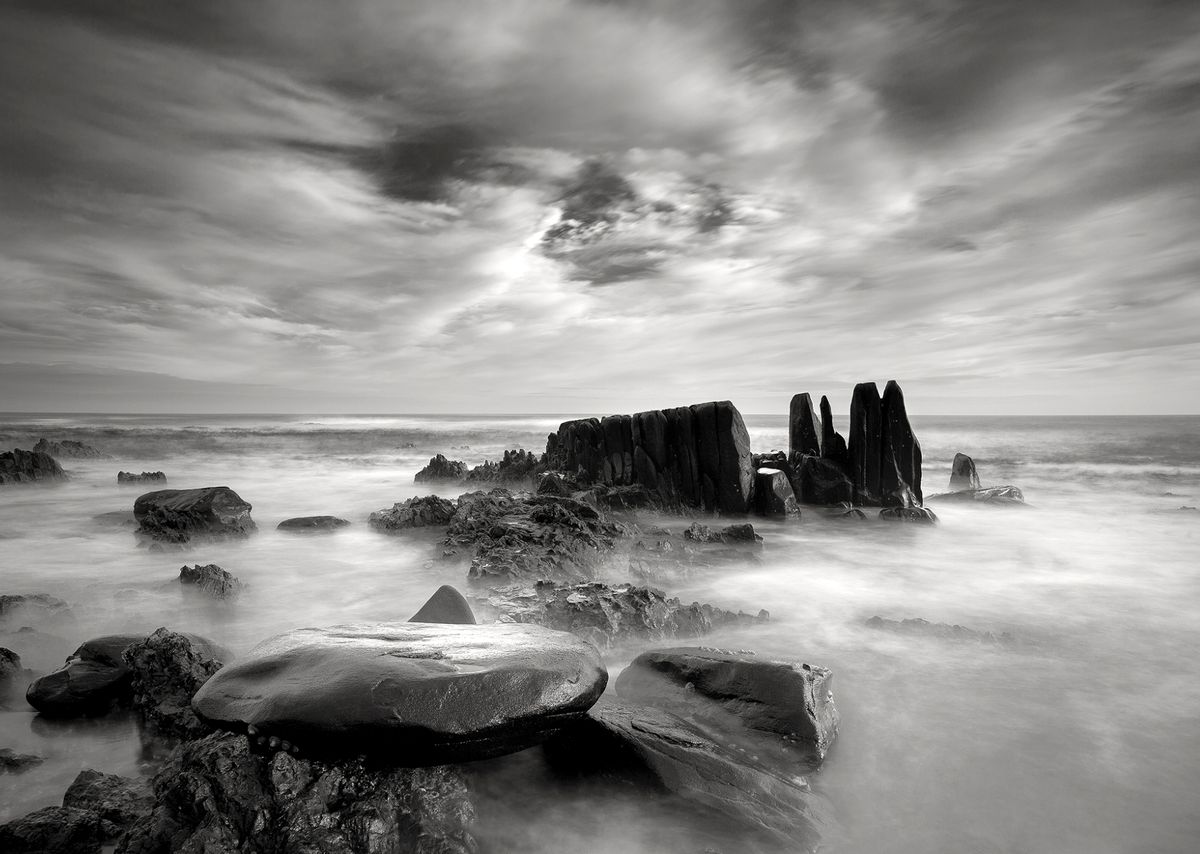
None of these is art photography, and that is the point. What you are looking at is the craft of photography across several very different disciplines, and it is where everybody should start.
The choice of direction comes later. Advanced photography, or the world of art and fine art photography. First you need to know how photography works.
Click any picture to see it larger.
What is covered
Seven modules, nineteen lessons
No fixed length. Work through it in a weekend or take a month over it. Everything stays in your library afterwards.
Introduction, understanding the photographic system
What the photographic system actually is, and why so many capable photographers have never been shown it. Two lessons.
The photographic system
The three controls, and what happens to a picture when you move one and not the others.
ISO
An in depth look, in two parts. Not what the number means, but what it costs you and when to spend it.
The aperture
Two lessons and a practical exercise. Aperture is where depth begins, and depth is where photographs start to look deliberate.
The shutter
Three lessons and a practical exercise. Movement, stillness, and the decisions you make in a fraction of a second.
The light meter
Two lessons on exposure value. The instrument almost everybody owns and almost nobody reads properly.
Your journey ahead
Where this takes you next, and what the Advanced course adds once the foundation is in place.
Practical exercises for aperture and shutter, so you are using the camera and not just watching.
What you pay
Pay whatever you can afford
So what is this course actually worth? Measured against the other programmes taught here, at least $290. That is the honest number.
But Martin believes this grounding matters so much, and holds so many photographers back when they do not have it, that there should be no reason why anybody cannot do it.
So he has asked the Art Photography Academy to appeal to your honesty instead. Pay whatever you can afford. This is a promotion that has been running for some time and is still open today, and it will close at some point.
As Martin requested, nobody is turned away over money and nobody is asked to explain themselves. This is about understanding the basics of photography first, and everything else after that.
★★★★★
“After doing photography for so many years, I enrolled in Martin Osner’s Advanced Photography Course to improve my skills. But right in the first few lessons, I realized I still did not fully understand the photographic system. […] Since the Photography Essentials Course was promoted, I figured I’d try it. I paid a small amount, thinking that if it weren’t worth it, it wouldn’t matter.”
“Well… I am now ashamed of what I paid! Martin and Ralf, you should have a way for people like me to go back and pay what it’s truly worth, but since you don’t allow that, I’m writing this review instead to tell everyone: start with this course.”
James Martinez, Miami, Florida, USA- Nineteen lessons across seven modules, yours in your library for good
- Practical exercises for aperture and shutter
- One month in the Inspire Community included
- No fixed length, and no deadline to fall behind
A word about the two sites. This page is where the journey is explained. The course itself is taught at Art Photography Academy, which is where the lessons, your library and the community live. The button takes you across when you are ready.
You will be taken to artphotographyacademy.com
From a student who started with this course
“I no longer am a gunslinger shooting from the hip”
Mike Evans had been photographing for six or seven years. Portraits, sport, some landscape. He was not a beginner looking for the basics, which is exactly why what he says is worth reading.
“I would do a shoot, go out, maybe take two hundred images, and keep one or two. Now I shoot maybe ten or twenty, and I will keep most of those.”
“I have taken fewer images, but the images I am taking are better than the ones I would have taken a year ago. I like being selective. It is a big change for me. A big, big change.”
Mike Evans
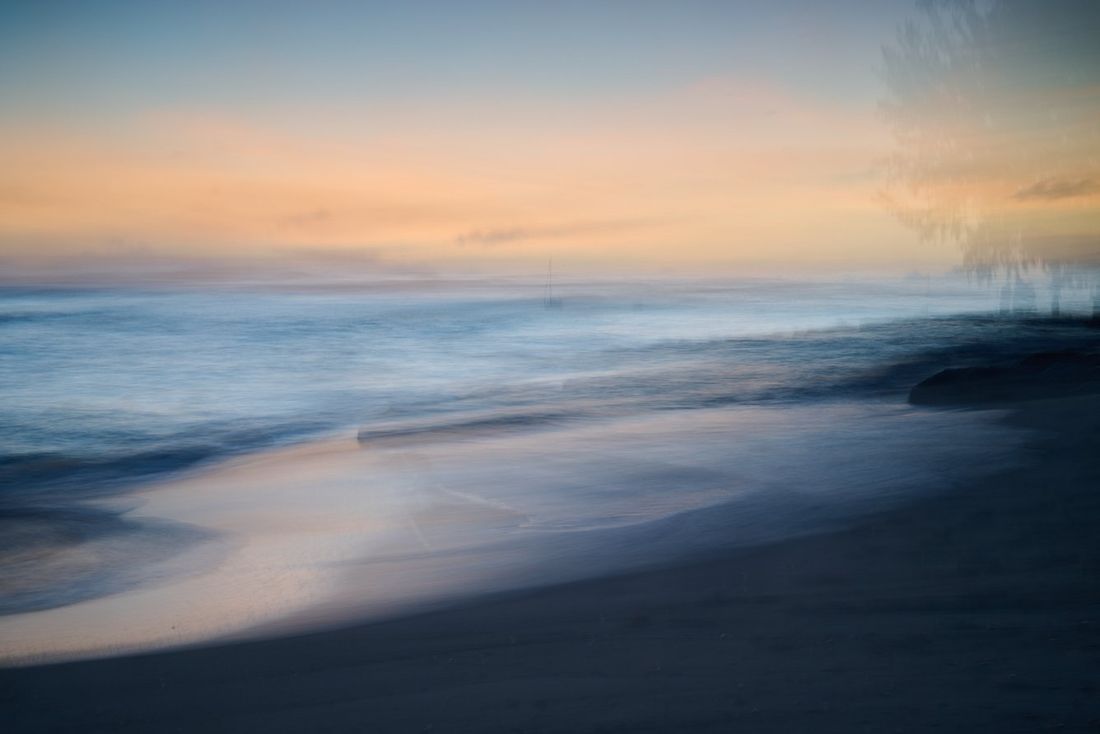
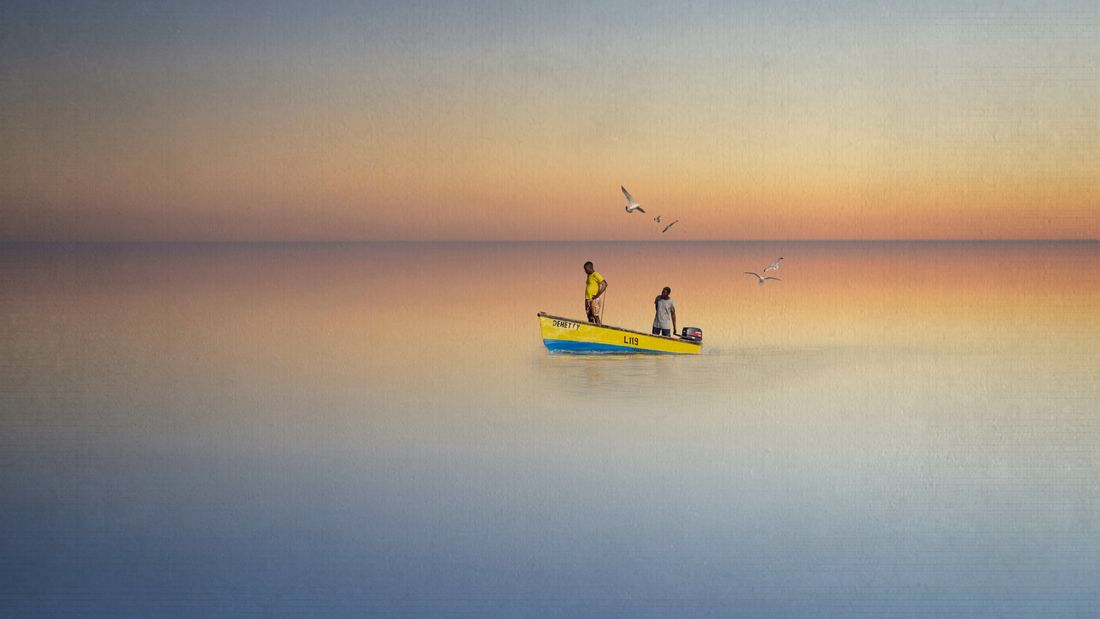
Mike’s own work. Simplicity, the expression of movement, and impact. Click any picture to see it larger.
Mike did the Essentials course first, then went on to Martin’s Advanced Photography course. His full interview is on that page, and hearing him say it is better than reading it.
Watch Mike’s interview on the Advanced course pageWhere it leads
Two possible roads follow on from this course
Essentials is the foundation. What you build on it is your choice, and the two directions are genuinely different.
- Advanced Photography, $600. The same craft taken further. Composition, light, and the judgement that turns a correct photograph into a good one. Six weeks, or at your own pace.
- Getting Started in Art Photography, $690. Where the camera stops being the whole job and the print becomes something you work into by hand.
A good many people arrive for the mechanics and leave wanting to make art. If that turns out to be you, the art photography road is on this site too, and it starts with Getting Started.
See Getting Started in Art PhotographyMy recommendation
Start here
Especially if you can already see that you need some help with the basic mechanics. And even if you are not sure, use this course to refresh what you think you know. You will not regret it.
If you have never been taught the photographic system properly, all it takes is one or two pennies to drop. Once they do, the system is entrenched, it does not leave you, and everything else you ever learn is built off it.
You will be taken to artphotographyacademy.com