Marloth Park, on the Kruger boundary, South Africa
Wildlife Art Photography Workshop
Four days on the Crocodile River fence line of the Kruger National Park with Martin and Samantha Lee Osner. You photograph the animals at first and last light, then turn those photographs into art by hand. Nothing you bring with you. Everything made there.
- Next dates
- 17 to 21 May 2027and a second group, 22 to 26 May
- Length
- Four days
- Group size
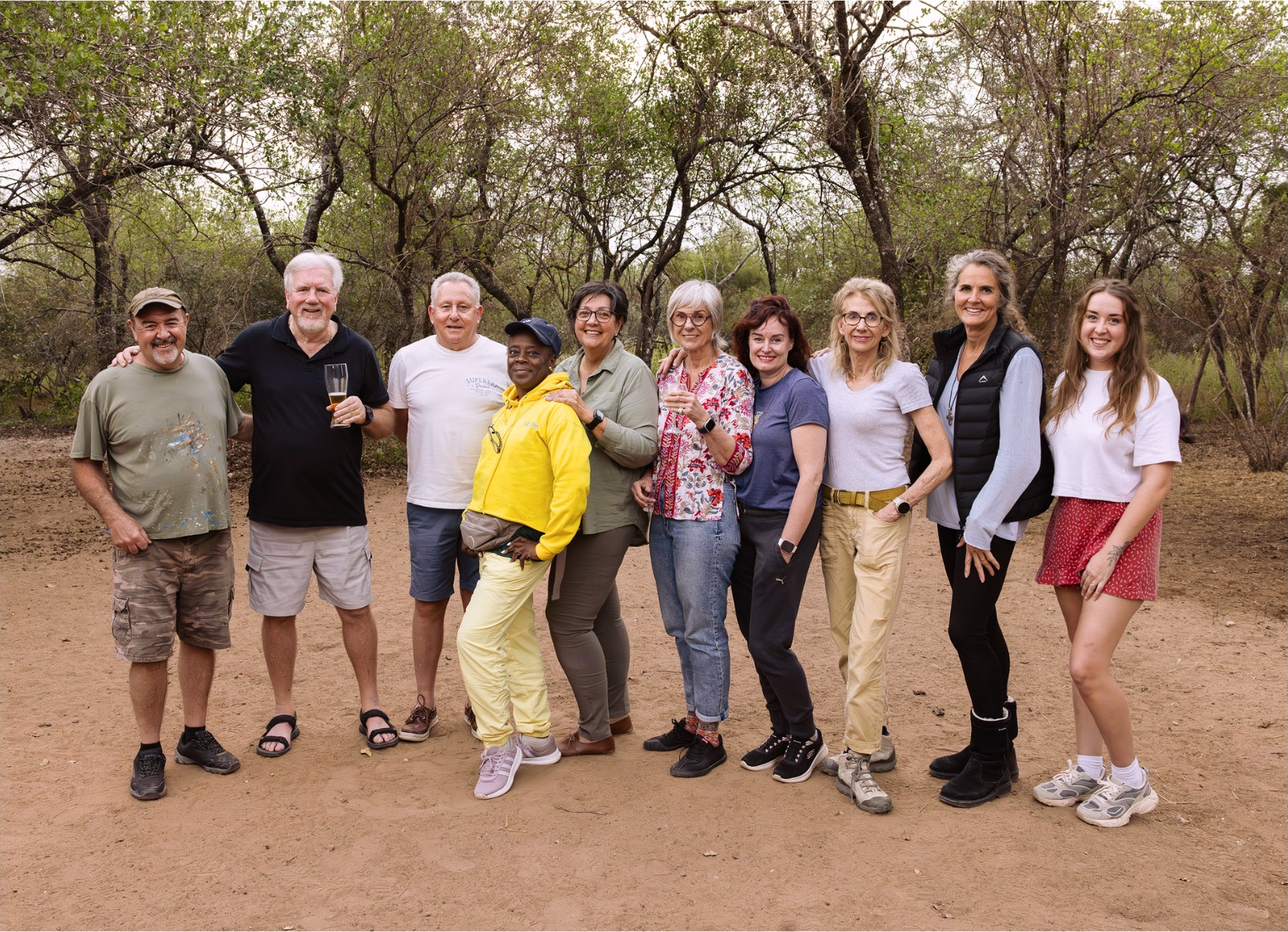
- Seven to ten people
- Workshop fee
- R18,900accommodation included
What people make here
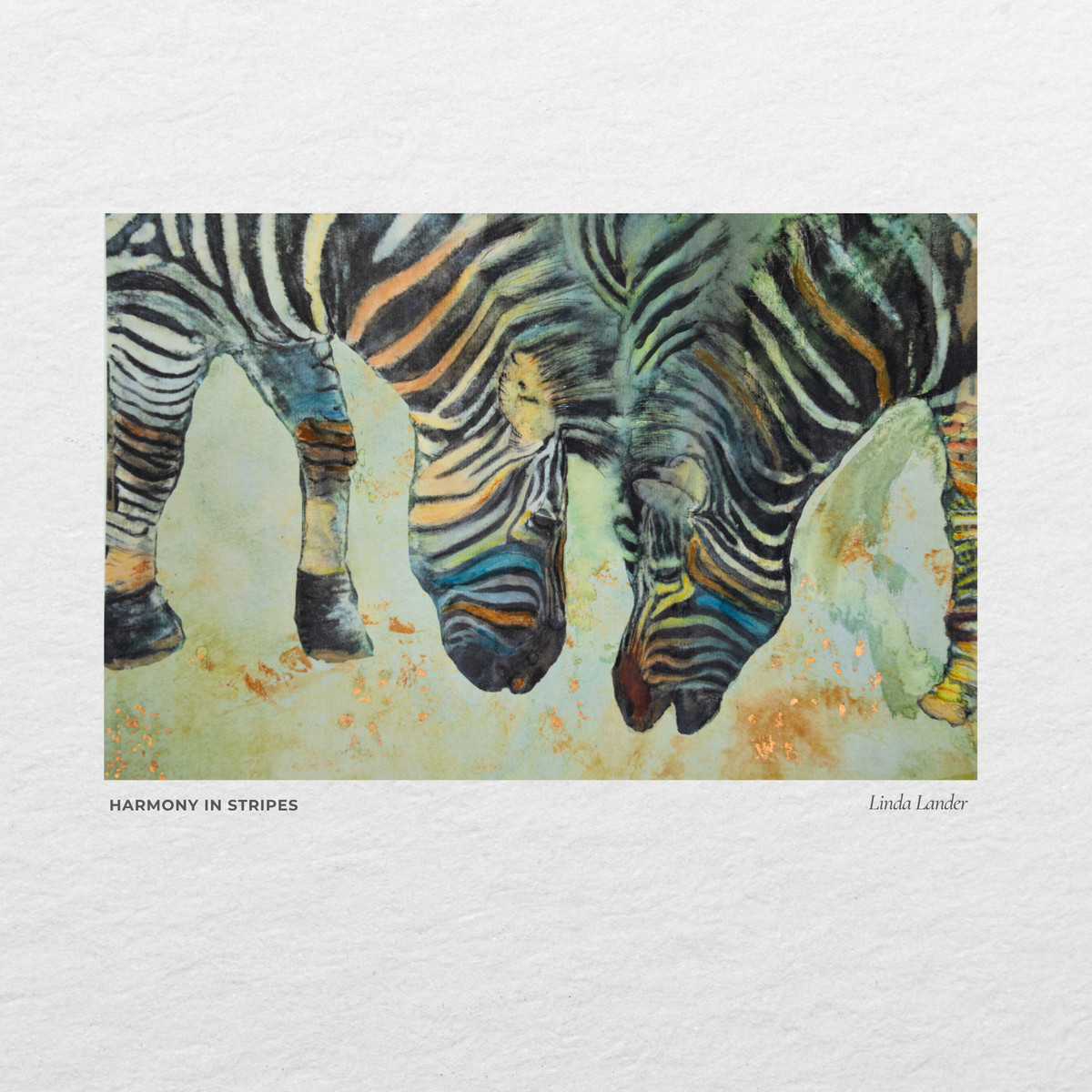
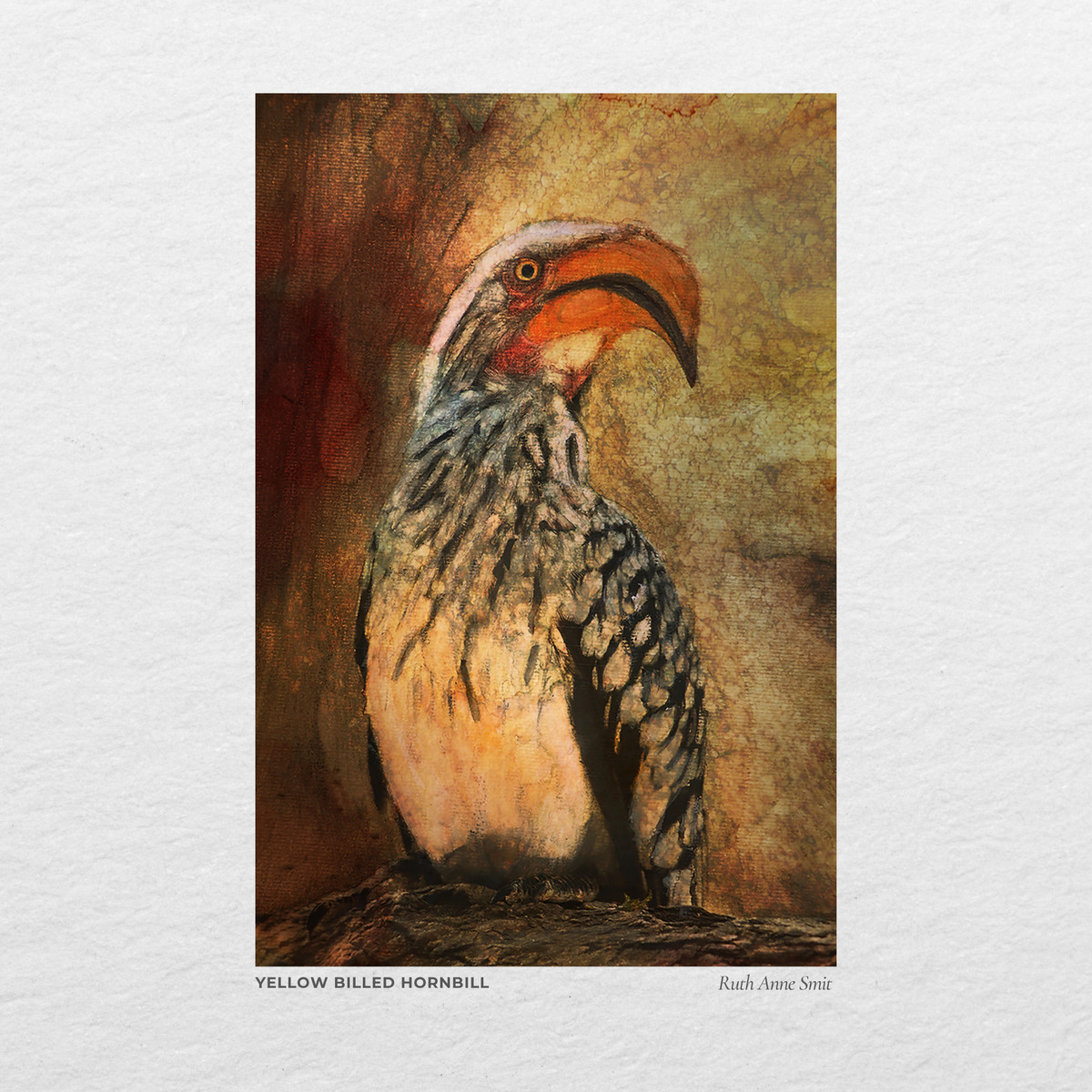
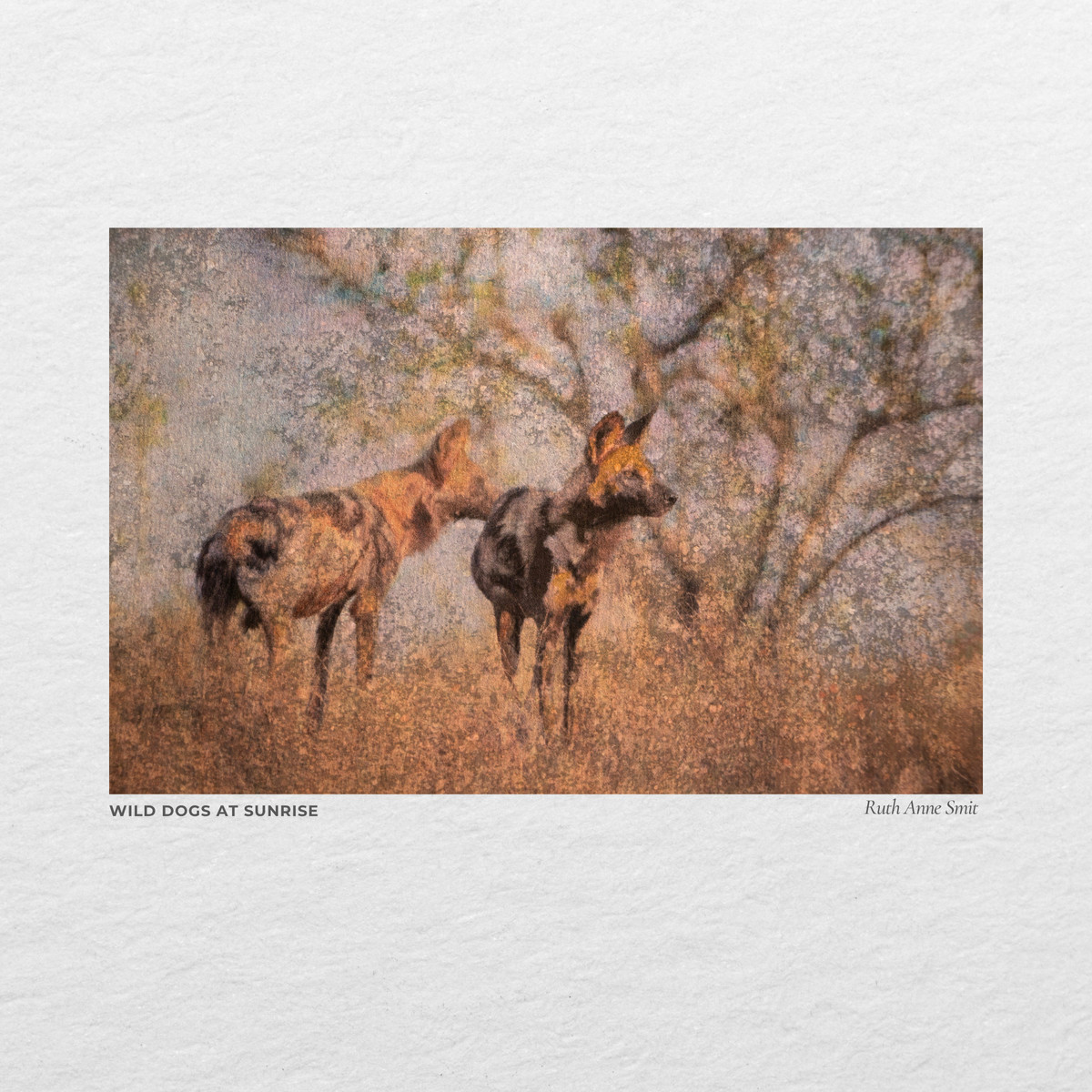
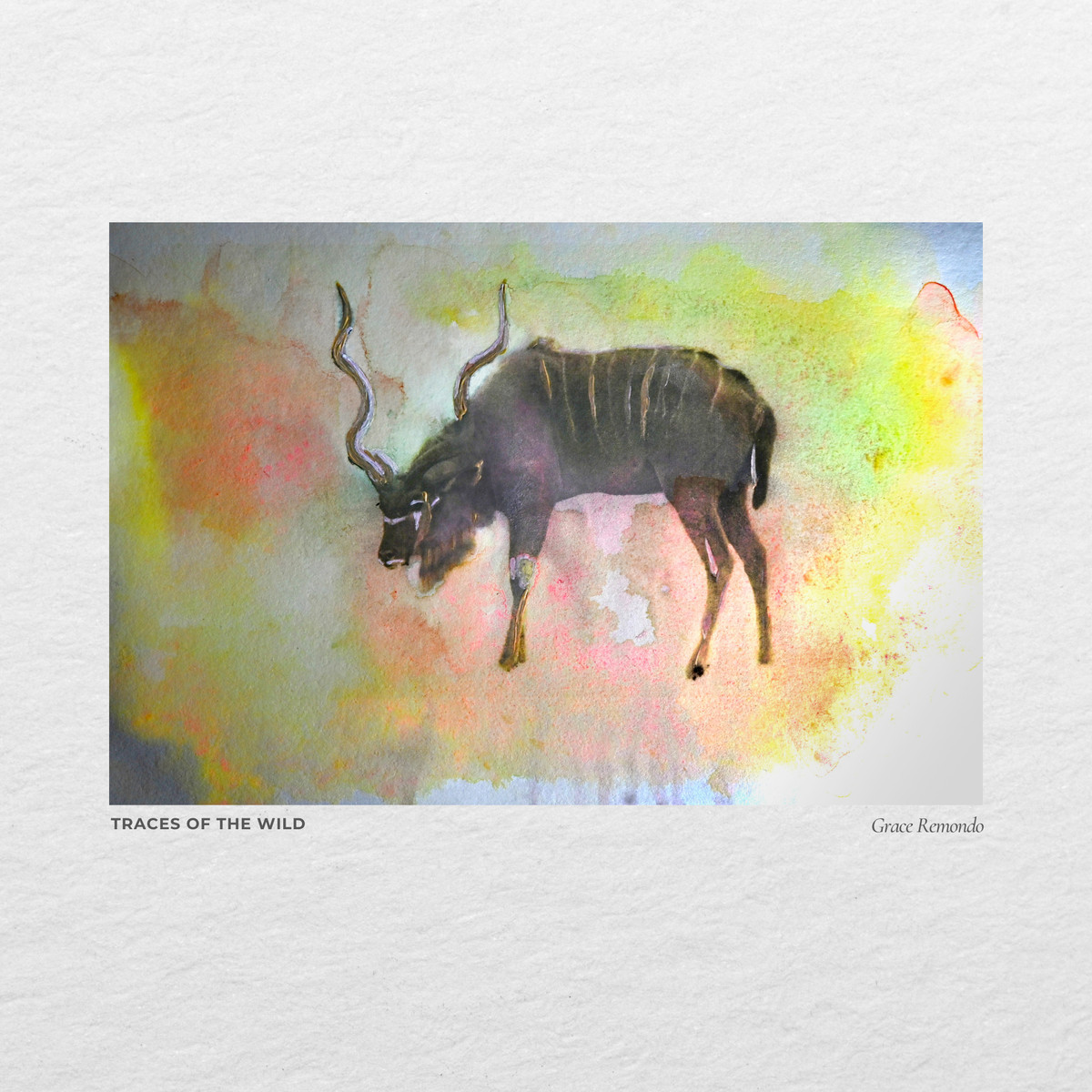
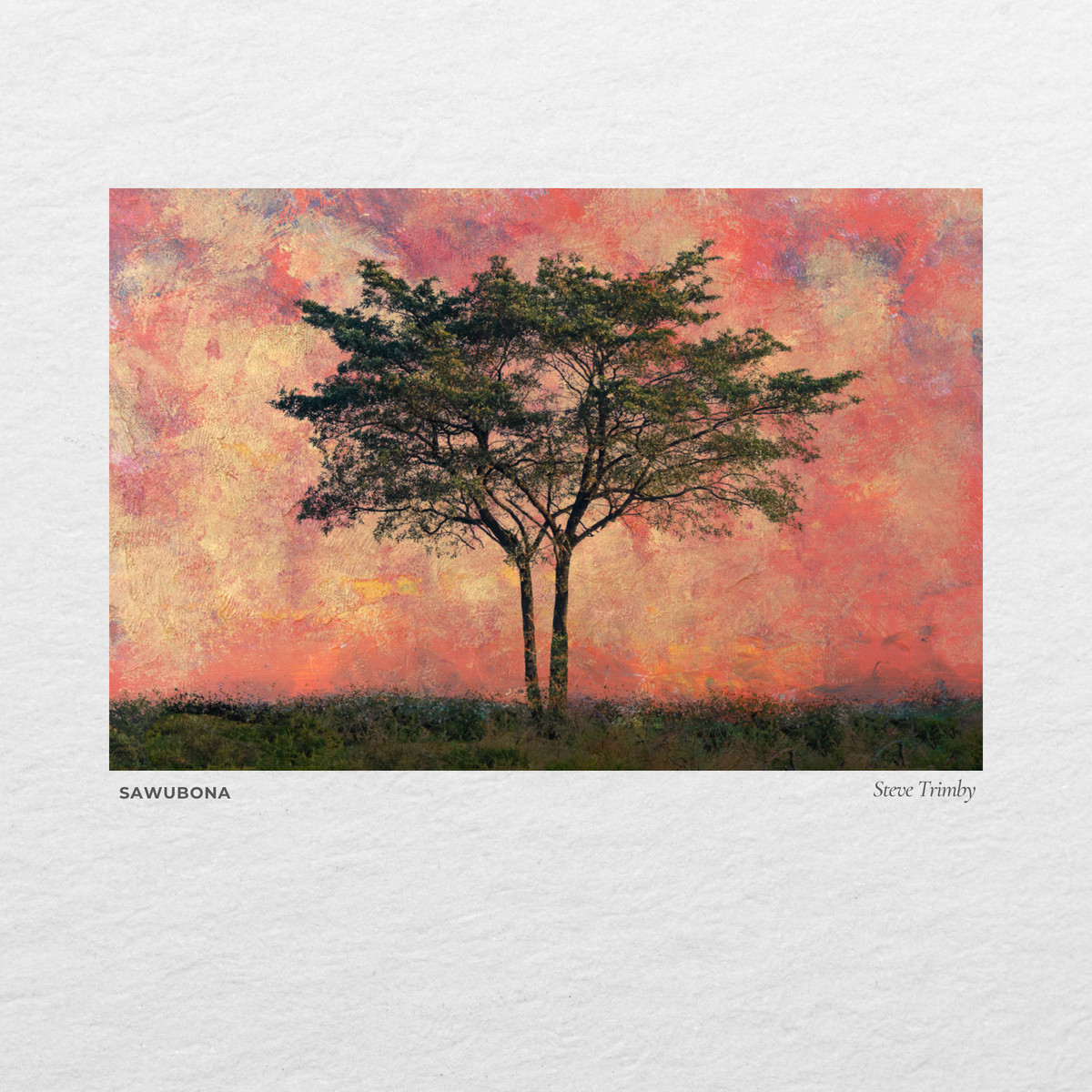
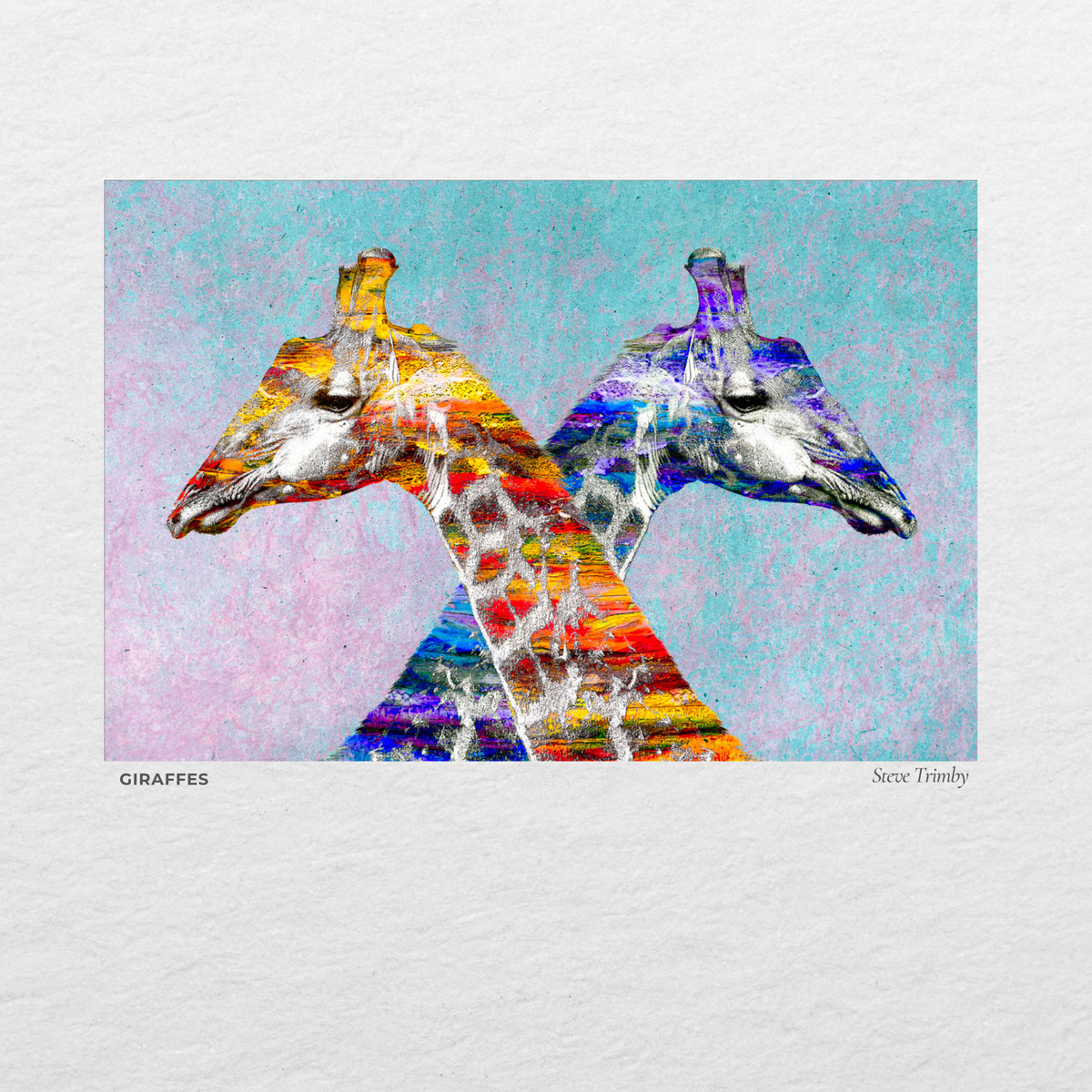
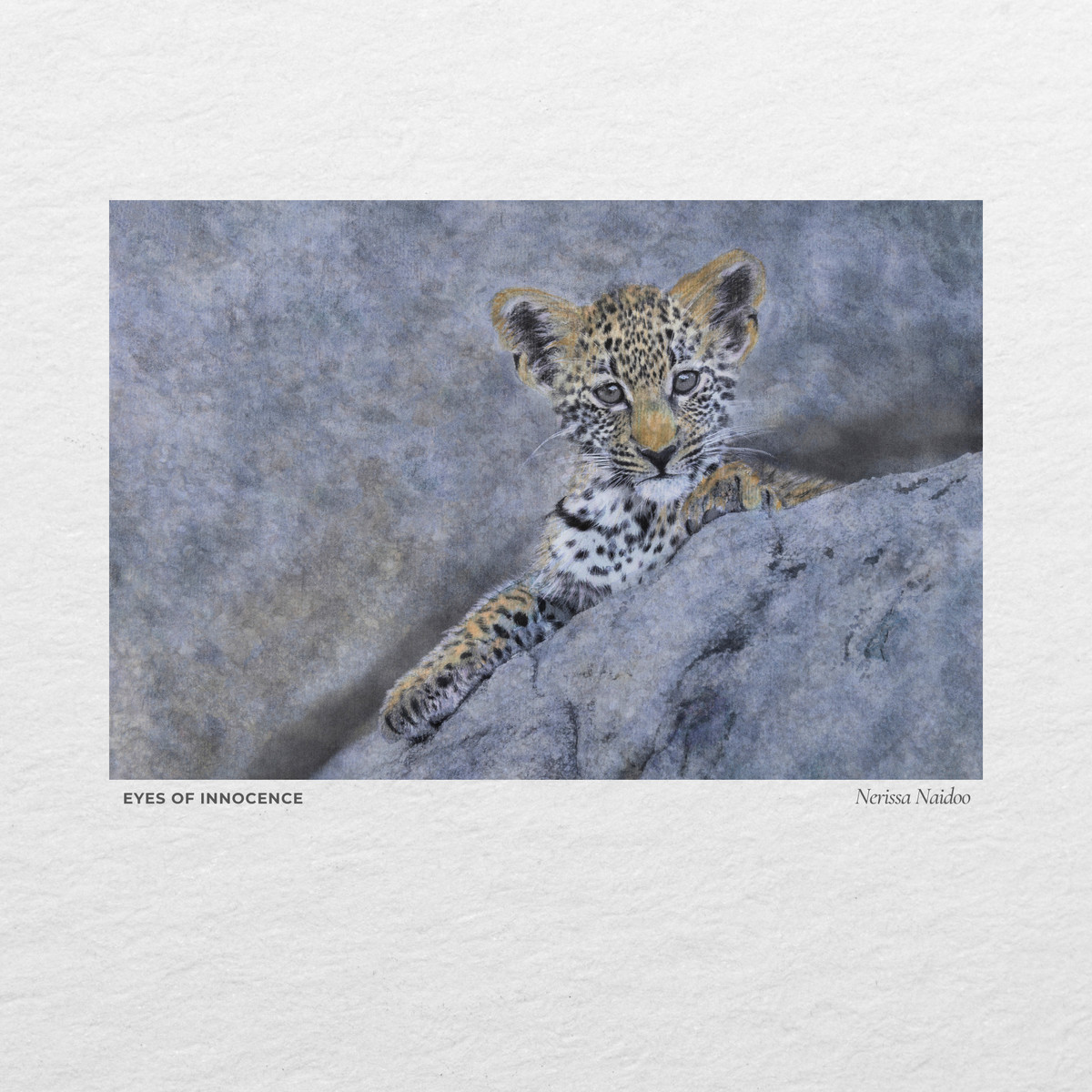
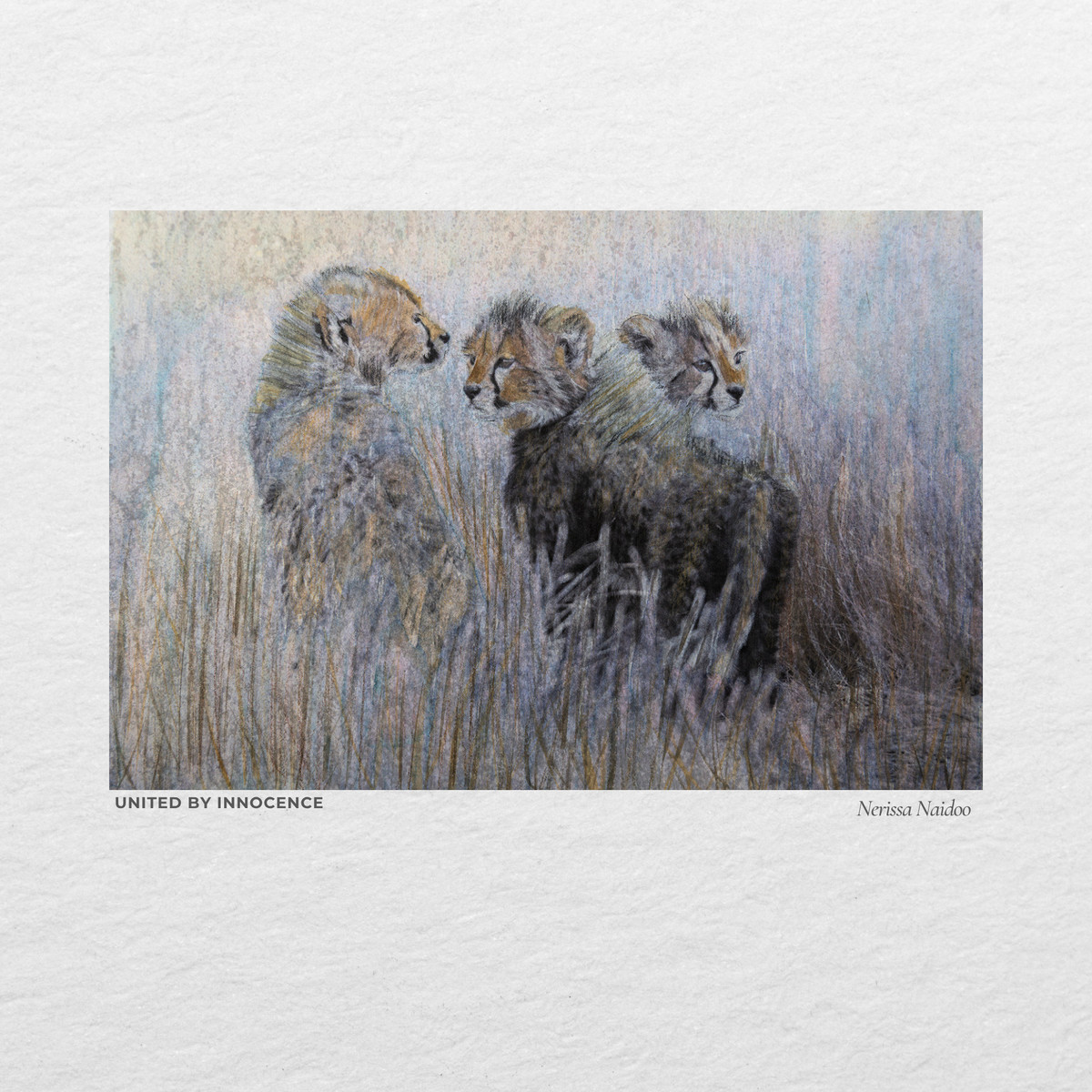
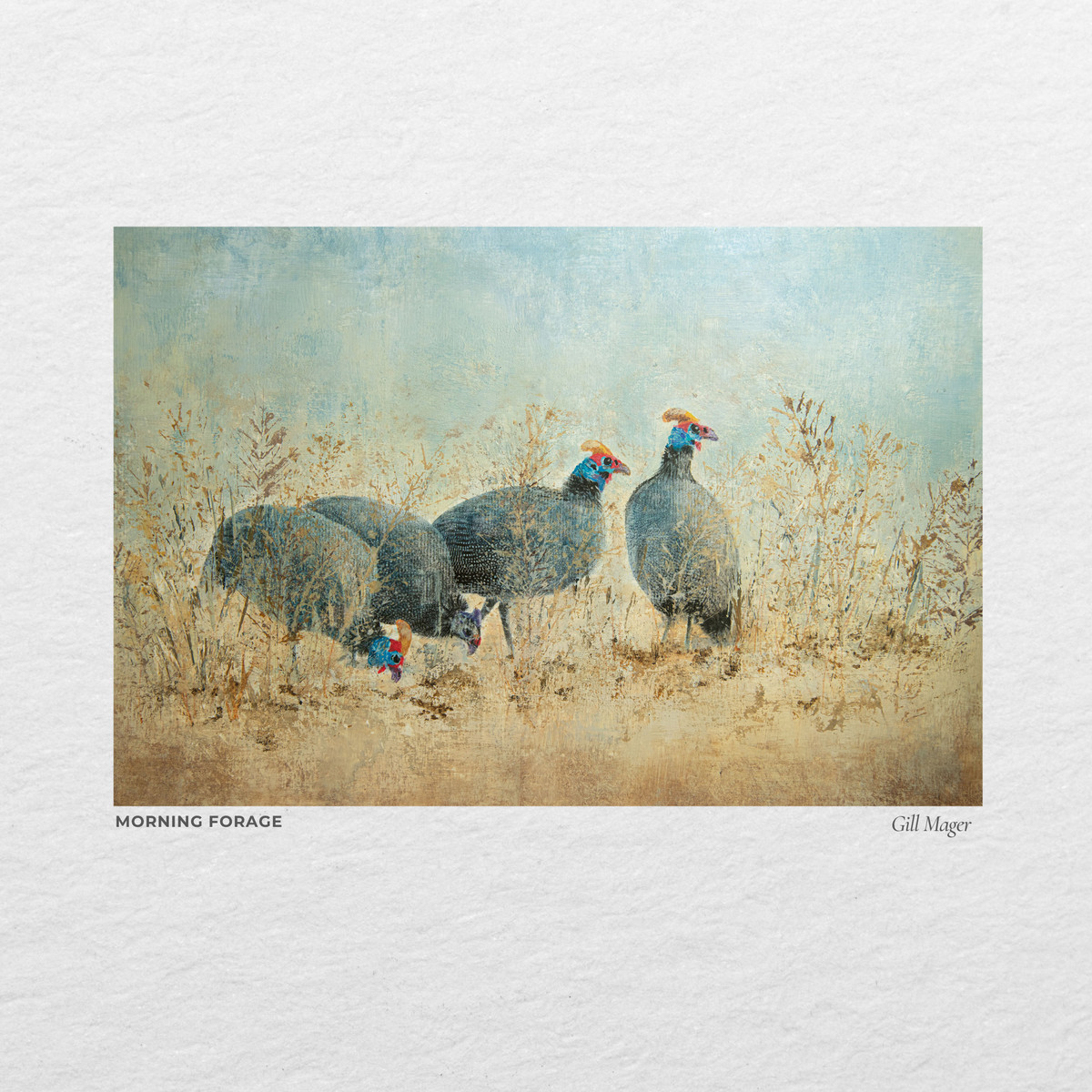
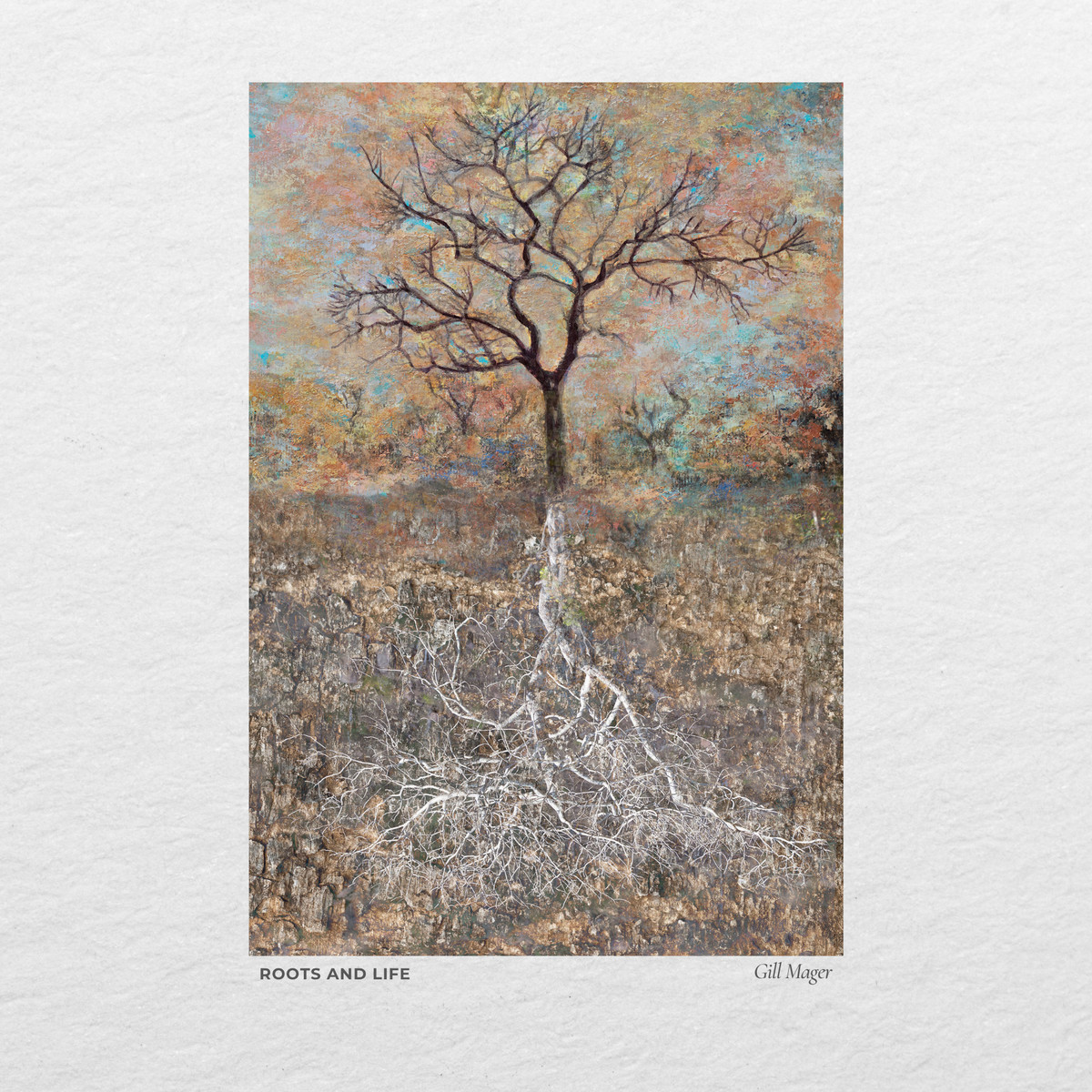
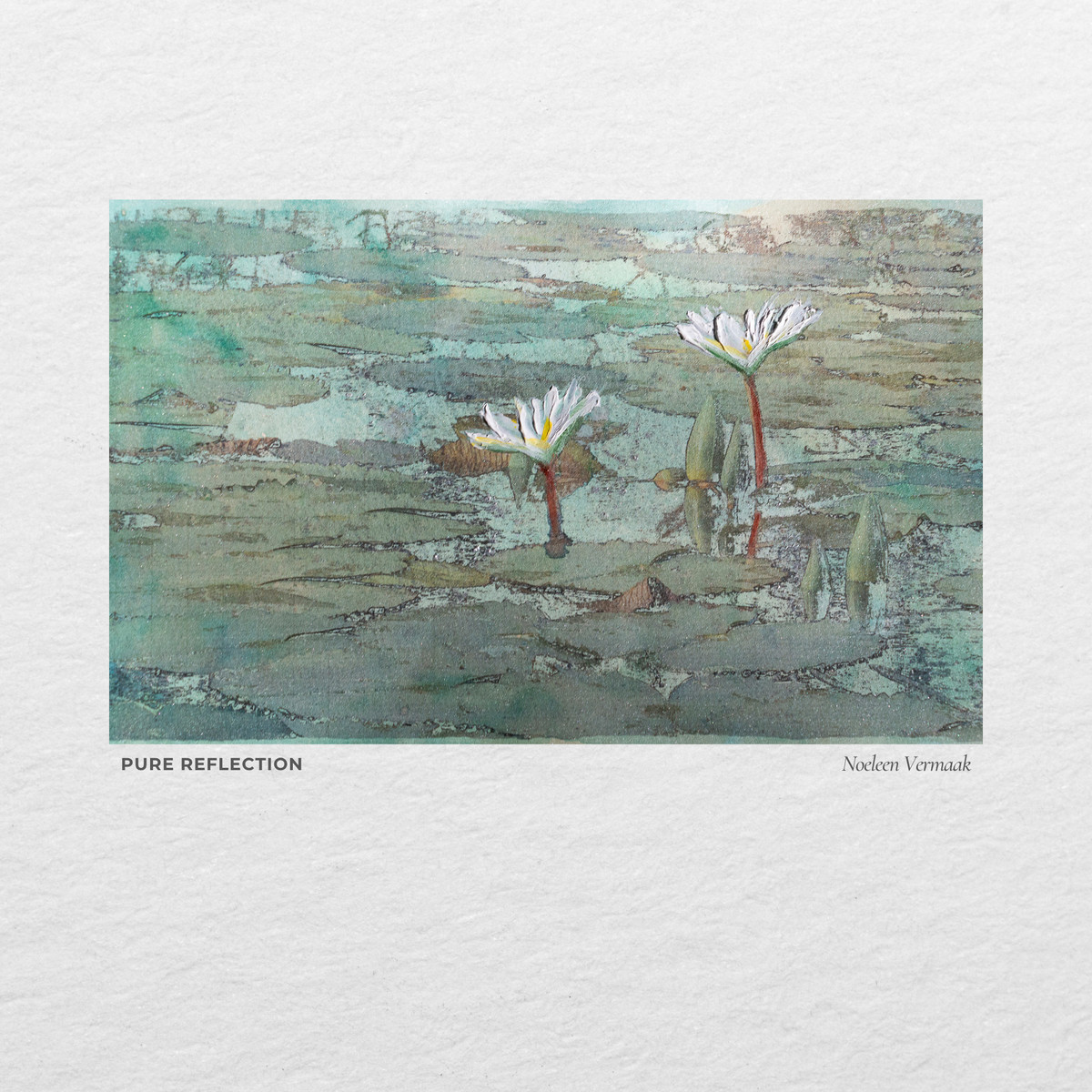
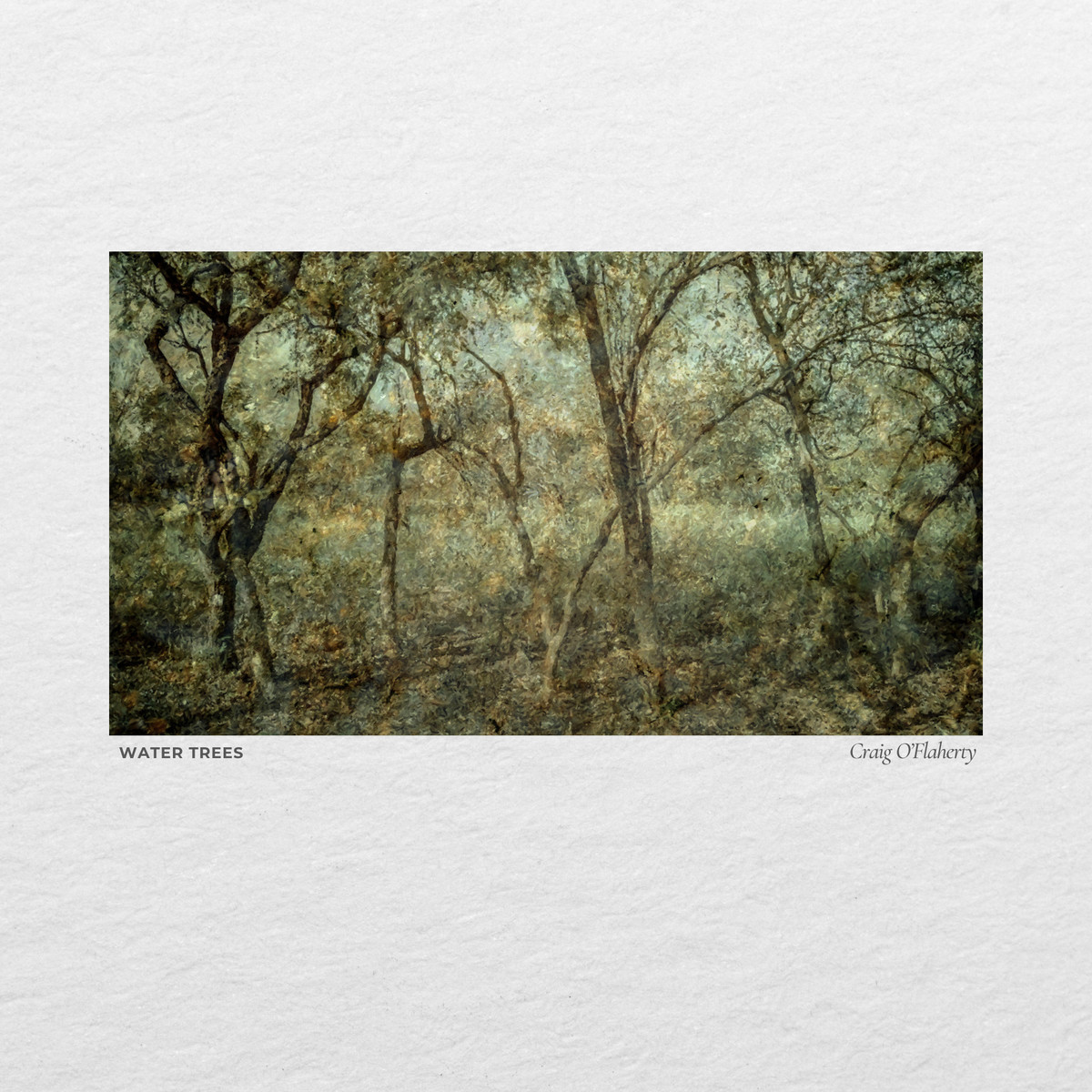
Twelve artworks, every one begun and finished on this workshop
All of them photographed within walking distance of the guesthouse, then worked by hand over the four days. The artists' names are on the pieces.
Who this is for
You already know how to photograph wildlife. This is about what happens next.
Most people who come here have a hard drive full of sharp, well exposed, correctly composed animals, and a feeling that the pictures have stopped saying anything. This workshop is for that feeling.
It is not a safari and it is not a course in getting closer or sharper. It is four days of learning to photograph an animal with an artwork already in mind, and then making that artwork with your own hands, using the Photo Alchemy techniques Martin and Samantha have built this workshop around.
We start with a clean slate on purpose. You do not bring old photographs to work on. The animals come to the waterhole beside the guesthouse and walk through the reserve around it, so every piece you make begins with something you saw and photographed that week.
This is for you if
- You are bored by your own perfectly sharp wildlife photographs
- You want photography to be an artistic medium, not only a technical one
- You want to leave with physical pieces, not files
- You are willing to pick up a brush, a palette knife and a sheet of paper
- You can already work your camera in manual and in natural light
Probably not for you if
- You want your wildlife photography sharper, faster or closer
- You are after safari tips, hides and long lens technique
- You are still learning exposure and your camera's menus
- You want Photoshop to do the creative work for you
One photograph, start to finish
A quarter of a second, and a seed that took forty years to come up
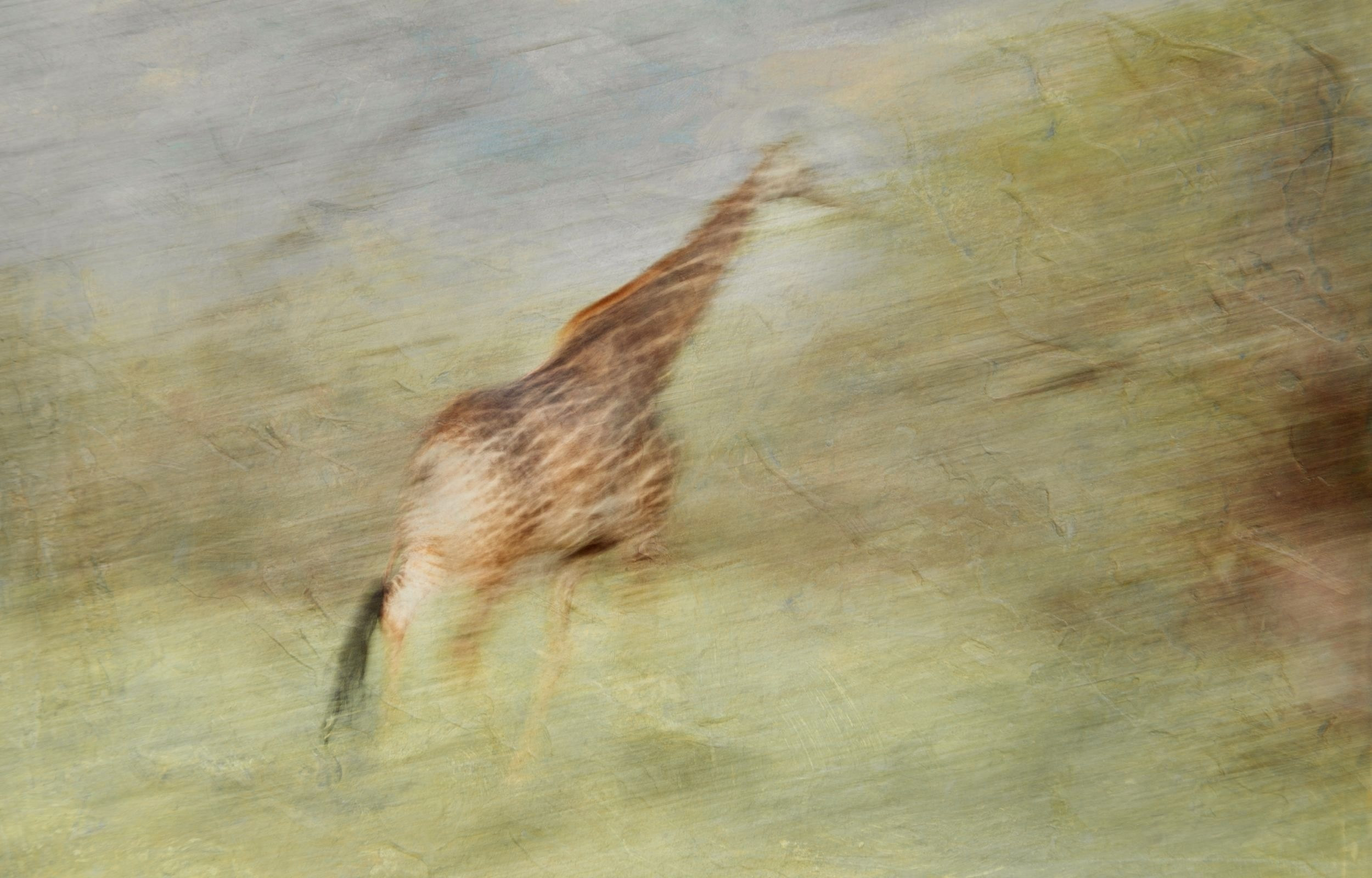
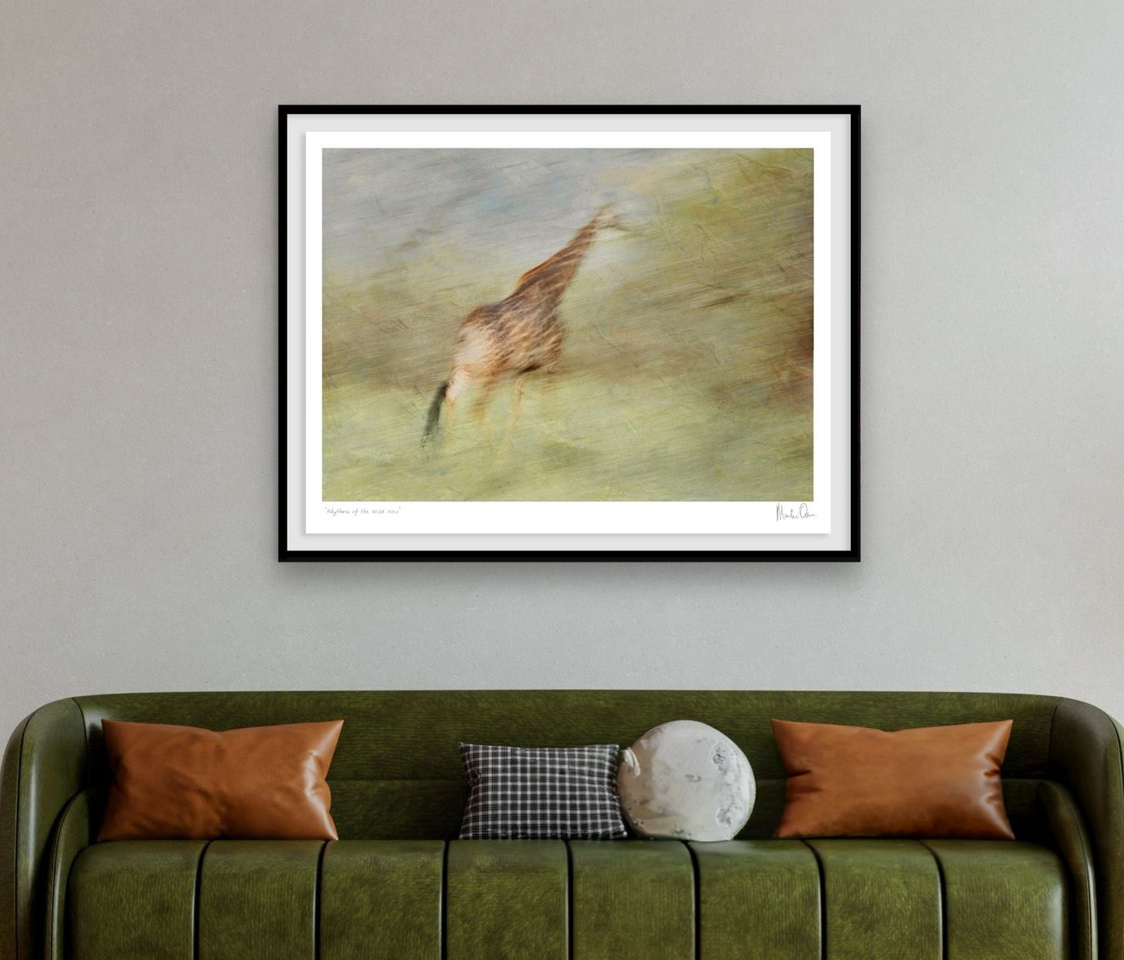
While the students were at their tables in the studio, Martin walked out from the guesthouse and found a group of giraffes in thick bush, in bad light. He came back the next afternoon when the light had dropped.
He had a choice, push the ISO and take them pin sharp, or slow the shutter right down to about a quarter of a second and wait for movement. He chose the movement, and remembered a book he had read forty years earlier, Art Wolfe's Rhythms from the Wild, the first wildlife photographs he had ever seen that looked like paintings.
A warthog bolted from its burrow, everything scattered, and one big giraffe crossed a gap in the trees. There was time for a single frame. Back in the studio he laid two hand made textures over it, very lightly, and called the piece Expressions of the Wild. It now hangs in the gallery, and the full story of how it was made is here.

Webinar
The full recording, free to watch
Watch the full webinar on the four days in Marloth Park

On 30 September 2026 Martin Osner and Samantha Lee Osner hosted a live evening on Zoom about the Wildlife Art Photography Workshop in Marloth Park. This is the whole recording, for anyone thinking about the May 2027 groups, and for anyone who wants to see how this kind of work is made.
The next workshop, two groups in May 2027
17 to 21 May and 22 to 26 May 2027. Four days, seven to ten people in each group.
Martin walks through the whole week. Where Marloth Park is and how you get there. What happens on each of the four days. What becomes of a wildlife photograph once you stop trying to record the animal and start making a piece of work from it. You see the work people made on the last workshop, and our hosts at the guest house answer the questions about rooms, travel and the park itself.
See the dates and book your placeHow a day runs
Out at first light, at the table by mid morning, and out again when the light comes back
The bushveld gives you two good hours of light at each end of the day, and that is when we are out with cameras. The middle of the day belongs to paint, paper and print.
First light
Out in the reserve
On foot and by vehicle from the guesthouse, photographing with the finished piece in mind rather than the record shot. Martin and Samantha work alongside you.
Through the day
At the table
Breakfast, then the techniques. Intentional camera movement, multiple exposure, hand made textures, watercolour and print. Lunch, then more of the same.
Late light
Brushes down
When the light starts to turn again we put the palette knives down and go back out. The animals come to the waterhole beside the guesthouse most evenings.
Evening
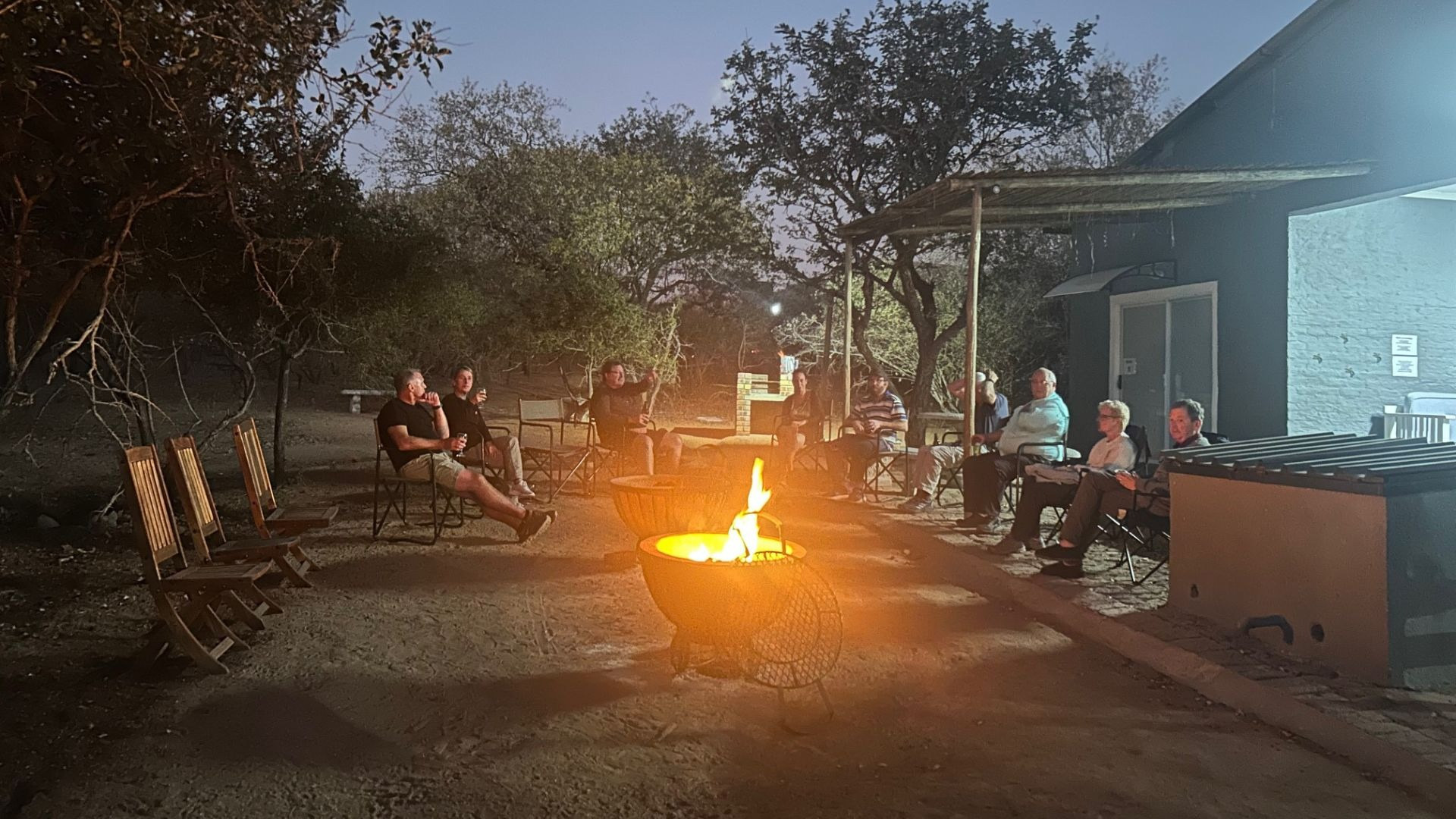
The fire in the boma
Everybody eats together, then a fire, and the day's stories. It is where most of the friendships on this workshop get made.
Where you stay
Wildgoose Guesthouse, inside the reserve, with the workshop run from the same property
Your accommodation is included in the fee. You have a room and a bathroom of your own, the kitchen and living room are shared, and the animals wander through the grounds.
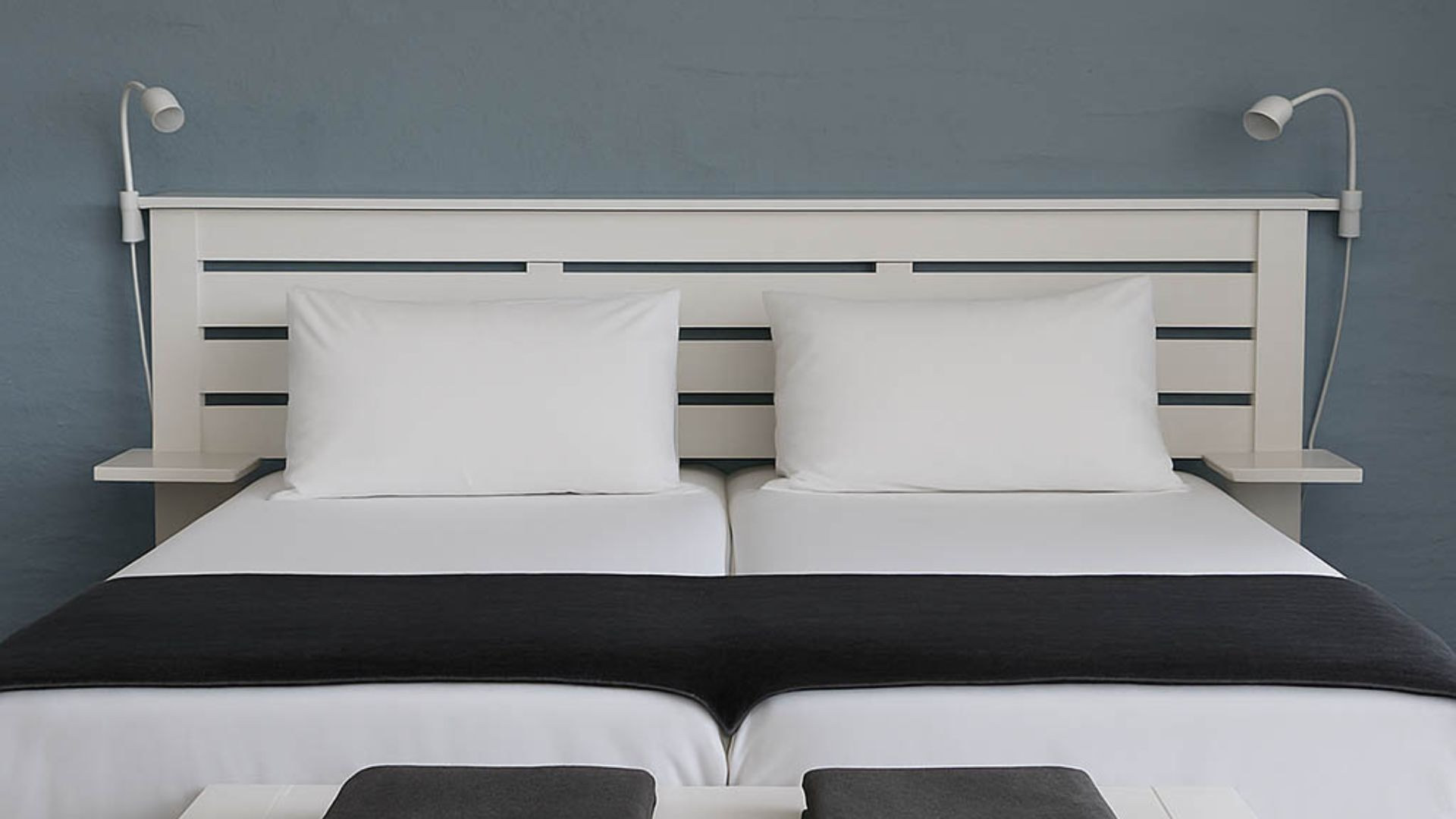
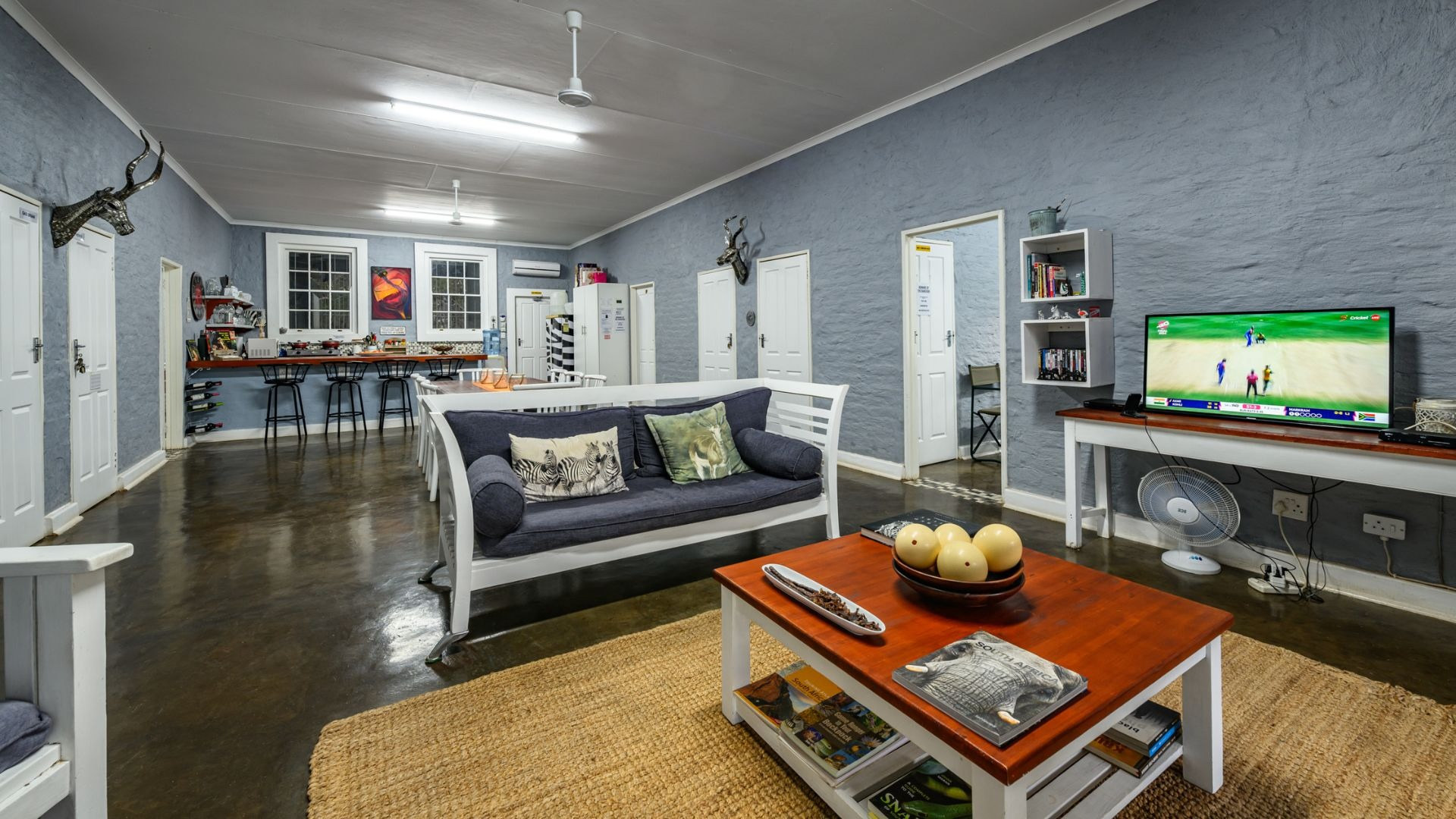
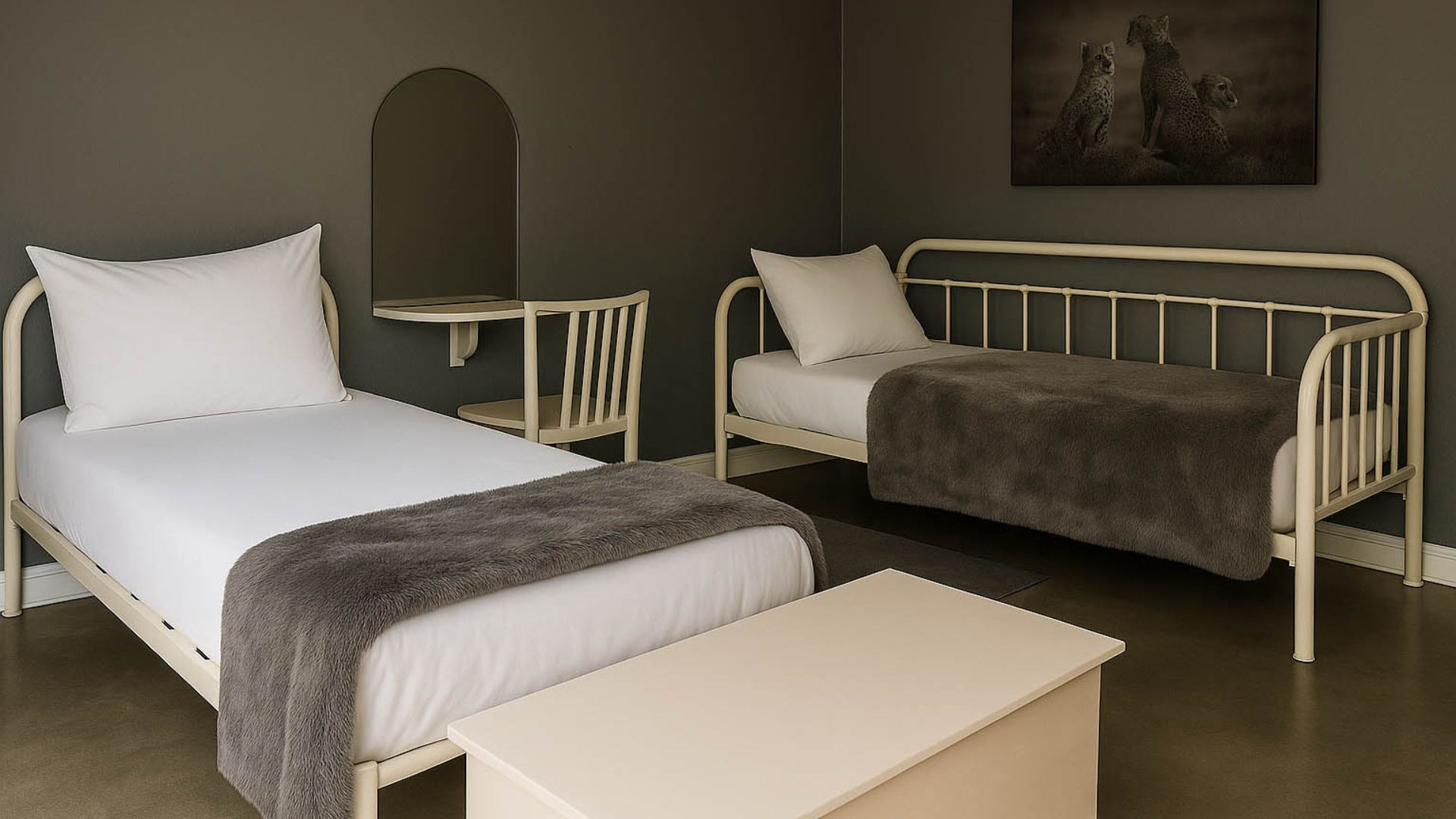
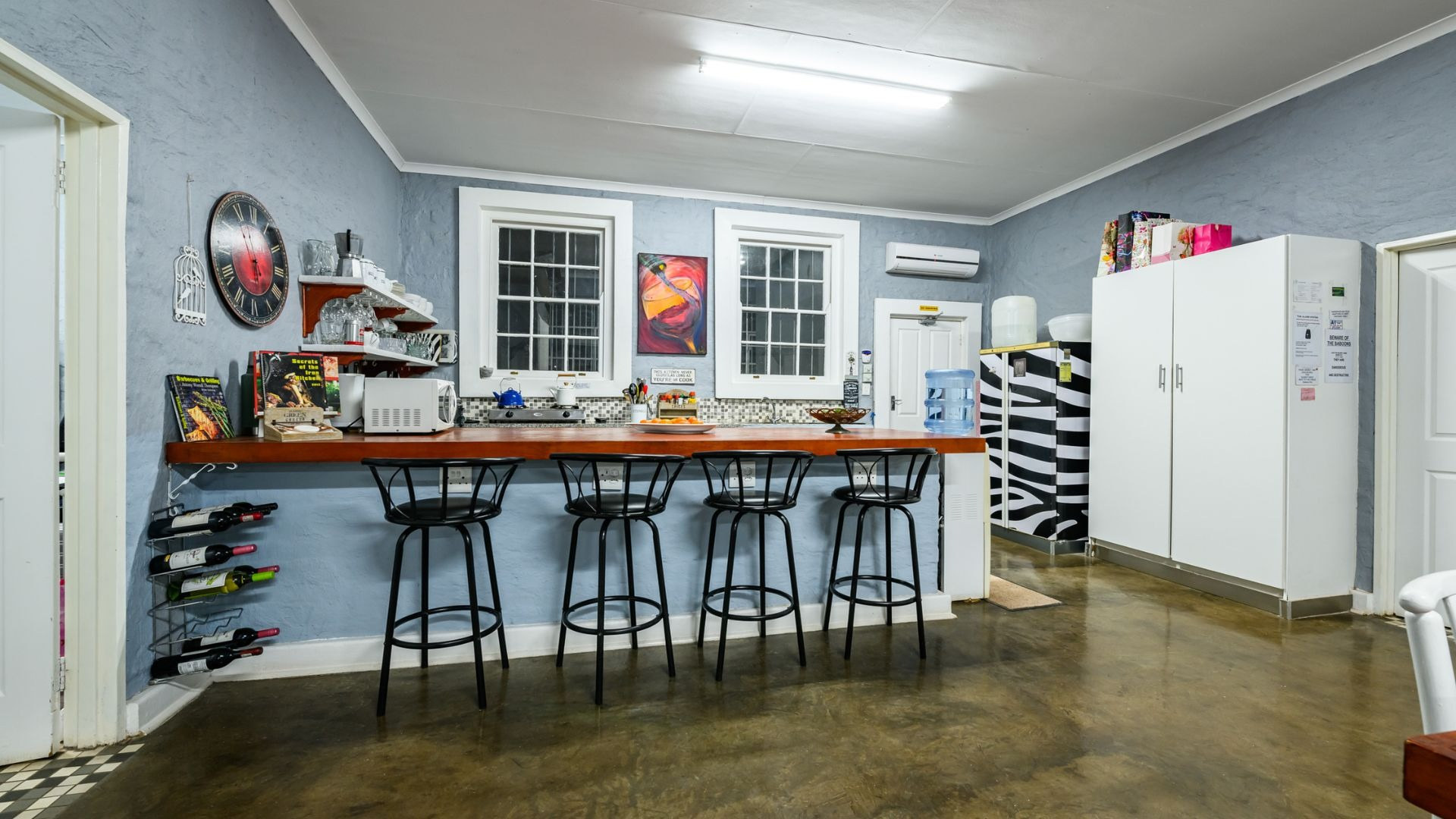
- Your own room and bathroom, with bedding and towels provided
- A shared, fully equipped kitchen and living room
- Self catering, with the group eating together in the evenings
- A fire in the boma every night
- A partner who is not taking part can share your room at no extra cost
- Arrive the day before for R950, the night in your workshop room
Dates, cost and booking
Two groups in May 2027, the same four days run twice
We take between seven and ten people at a time, so the workshop runs in two groups a week apart. Both start at one o'clock on the first day, and we suggest arriving the night before.
What to bring
A DSLR or mirrorless camera with a multiple exposure function, and its manual. A neutral density filter of three to eight stops. Lenses from 16mm to 400mm, with 600mm optional. A tripod if you like one. A laptop with your editing software.
For the art side, a watercolour set, brushes and watercolour pencils. If you would rather not travel with them, an art pack can be ordered for you before you arrive.
First group
17 to 21 May 2027
Monday to Friday. Now booking.
Second group
22 to 26 May 2027
The following week, for people who cannot make the first dates. Now booking.
R18,900
Per person, for the four days. Approximately US $1,200, depending on the rate on the day.
50% deposit secures your place
Included
- Four days taught by Martin and Samantha Lee Osner
- Your accommodation at Wildgoose Guesthouse, room only
- Every field session and every studio session
- Personal feedback on your work as it develops
Not included
- Meals, and your travel to Marloth Park
- Kruger National Park entry, if you choose to go in
- Camera equipment, filters and a laptop
Put your name down for a place on this workshop
Fill in the booking form and we will come back to you with the deposit details and everything you need to plan your travel. If you would rather ask something first, write to us instead.
Before you pay, please read our cancellation policy. It sets out the deposit, what comes back if you need to cancel, and the three ways round it.
Where this can go
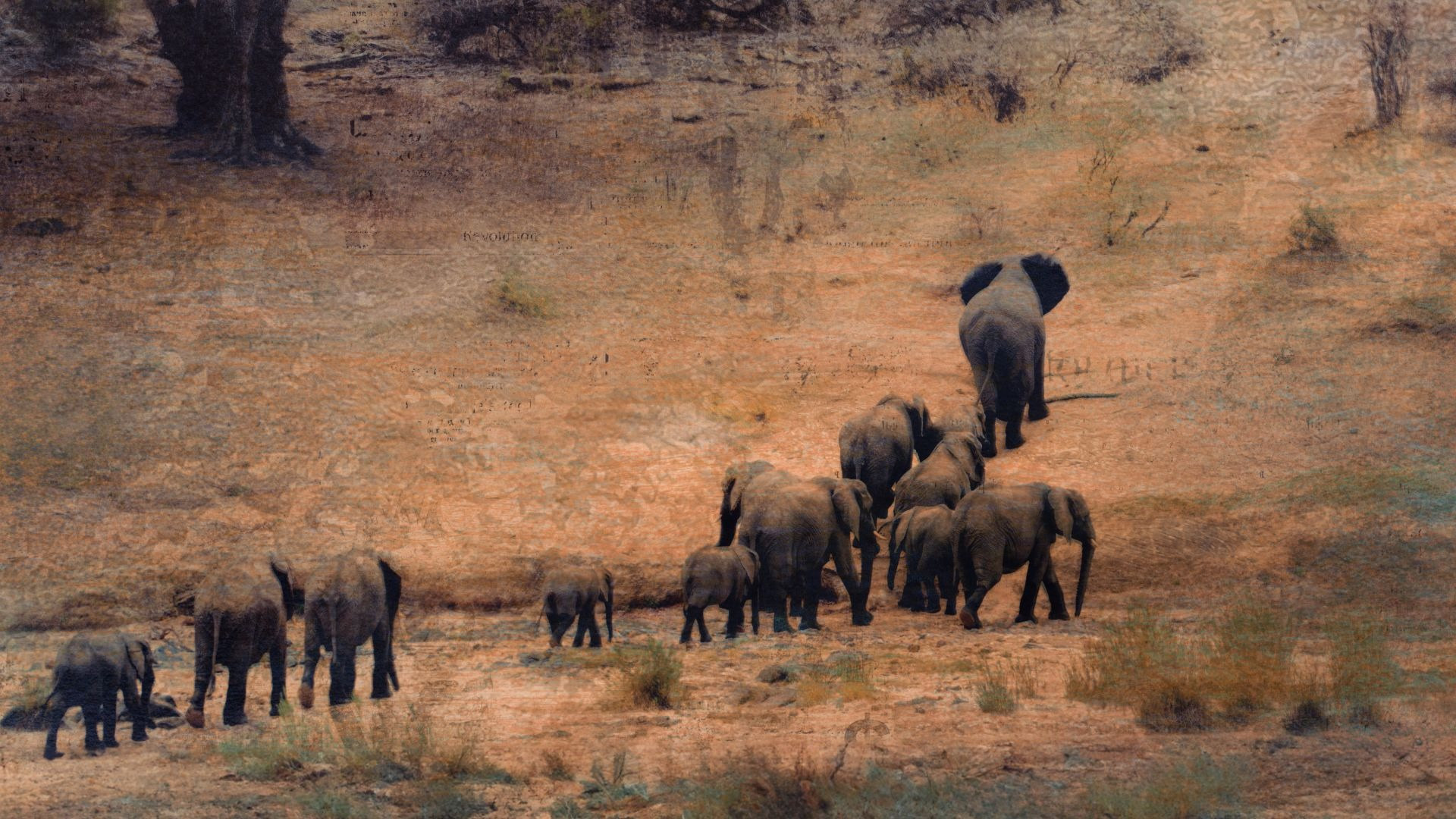
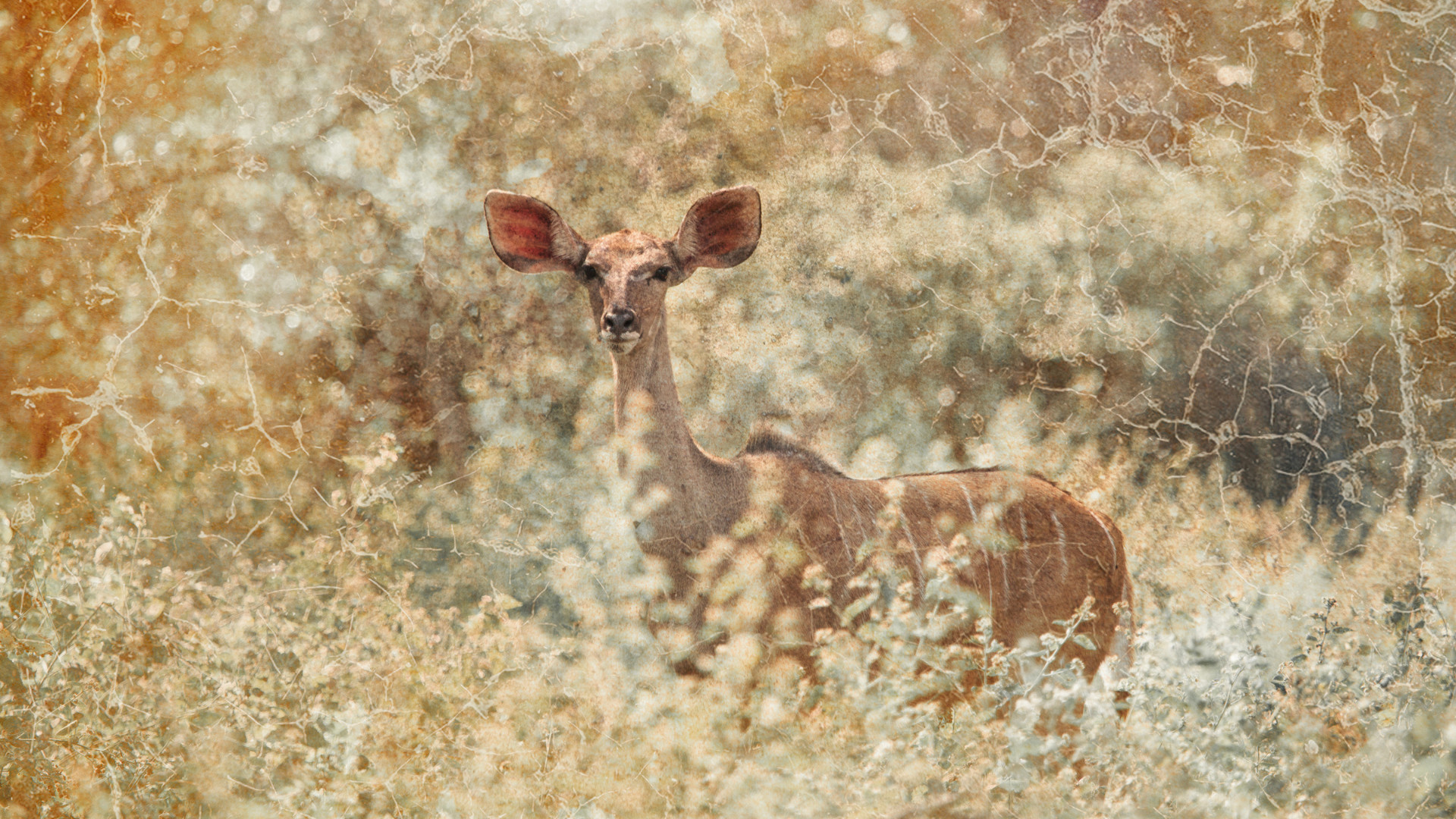
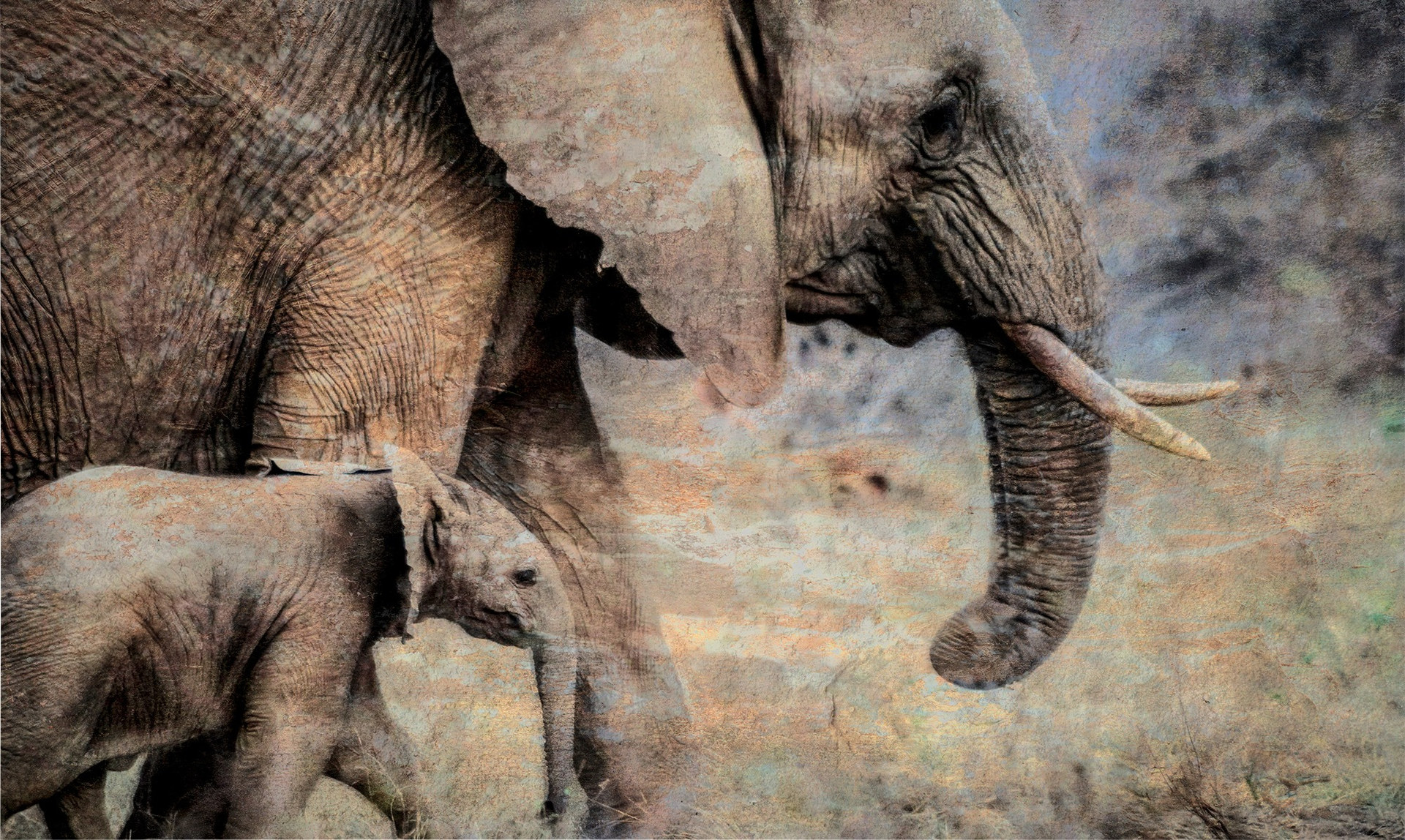
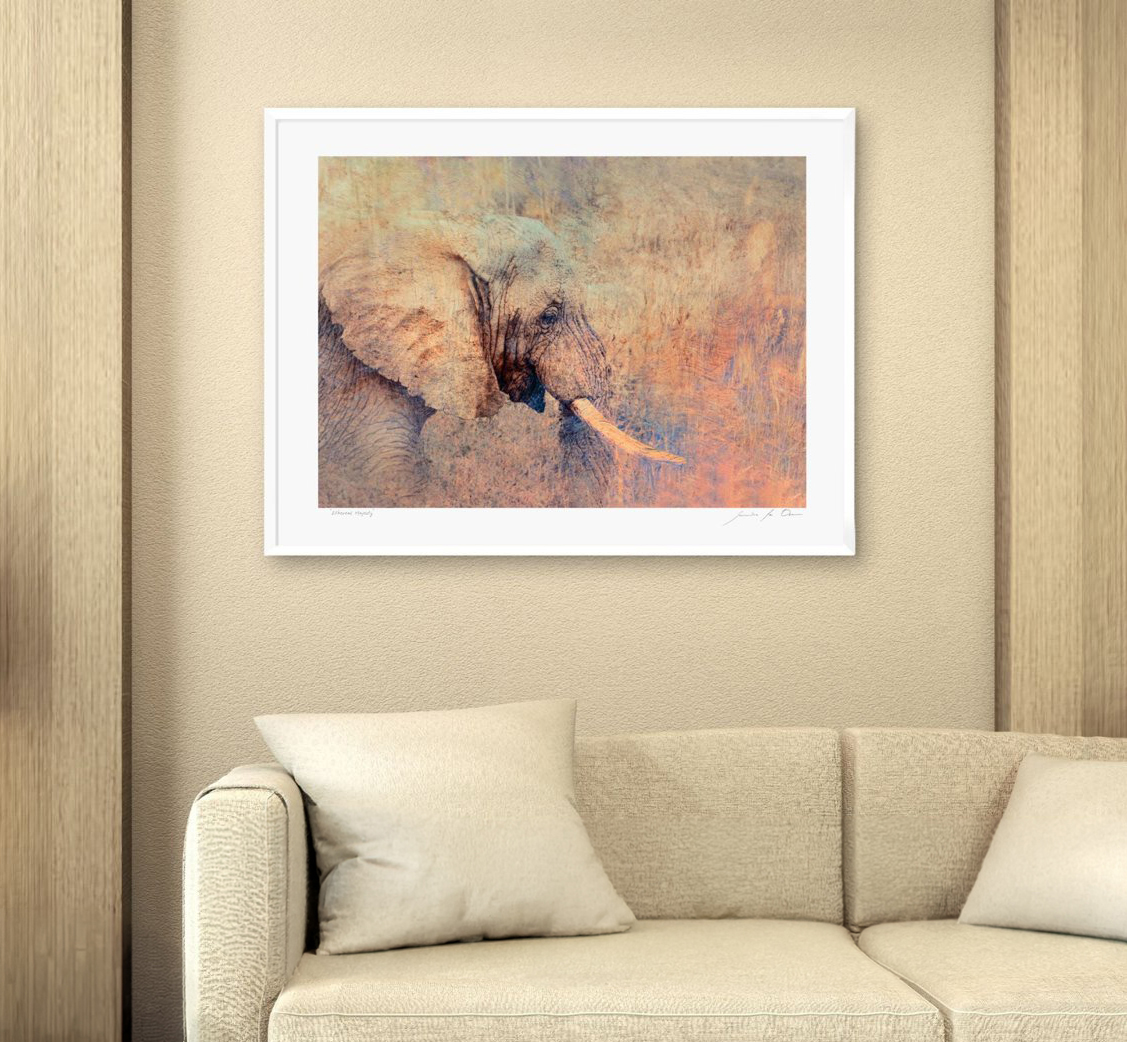
Two pieces from this workshop, now on exhibition
Both were photographed at Marloth Park on this workshop and finished with the same techniques you are taught here. Both hang in the Osner Art Gallery, and both open in the gallery shop.
Before you book
The questions we are asked most
How do I get there?
Marloth Park is on the southern boundary of the Kruger National Park in the north east of South Africa. The closest airport is Kruger Mpumalanga International at Nelspruit, about an hour and a quarter by road. Hire a car there, you will want one for the week. From Johannesburg it is about four and a half hours on the N4.
When should I arrive?
The workshop starts at one o'clock on the first day. We suggest arriving the night before to settle in. Wildgoose Guesthouse offers that extra night in your workshop room for R950, bed and private bathroom, and we will arrange it for you.
Will we go into the Kruger National Park?
Not as part of the workshop. Marloth Park sits on the Kruger fence line along the Crocodile River and has more than enough wildlife of its own, all of it within a walk of the guesthouse. The Crocodile Bridge and Malelane gates are close, and you are welcome to drive yourself into the park before or after workshop hours. Entry fees are not included.
What is the group size?
Between seven and ten people, so that everybody gets time with Martin and Samantha rather than a demonstration from the back of a room.
How experienced do I need to be?
Comfortable with your camera in manual mode and in natural light. You do not need to be an expert, and you do not need to have painted before. Your camera does need a multiple exposure function, because we use it.
Is there editing involved?
Some, as a supporting tool. This is not a Photoshop workshop. The pieces are made with your hands, with paint, texture, transfer and print, and editing sits underneath that rather than in front of it.
What happens if the weather turns?
We work anyway. The studio sessions happen whatever the sky is doing, and some of the most interesting photographs are made in weather that sends other people indoors.
Is there medical help nearby?
There is a clinic and a pharmacy inside the reserve for anything minor. For anything serious, Komatipoort has private hospitals about thirty minutes away.
Can my partner come?
Yes. Your room sleeps two, and a partner who is not taking part is welcome to share it at no extra cost.
What if I have to cancel?
All of it is on one page rather than scattered about. Our cancellation policy sets out the deposit, what comes back depending on how far ahead you tell us, and the three ways round a straight cancellation.
How do I secure my booking?
Fill in the booking form and we will send you the payment details. A fifty per cent deposit holds your place, with the balance due 60 days before the workshop begins.