Choosing where to start
Where to Learn Photography, Online or In Person
The short answer. There are five places to learn photography: on your own from free videos, on an online course, at a photography school or college, on a workshop out in the field, or one to one with a teacher. The right one depends on what you want your photographs to do. If you want to take better pictures, a structured online course is the fastest start. If you want to make art with a camera, you need a teacher who does.
This page lays out all five honestly, including the ones this school does not offer, so you can choose the one that fits you rather than the one that happens to be nearest.
Martin Osner has taught photography for forty years, first in Cape Town and now online to students around the world, and he has watched every one of these routes work and fail. What follows is what he tells people who ring the studio and ask where to start.
The five places
Where you can learn photography, and who each one suits
Nobody learns photography in one place. Most people who get good use three of these, in roughly this order, and the mistake is usually starting at number four or five before number two.
One
On your own, from free videos
YouTube holds more good photography teaching than any school, and it costs nothing. Martin’s own channel has 639,000 views and every lesson on it is free.
Suits: people with patience and time who enjoy working things out.
The catch: no order and no feedback. You can watch for a year and still not know why your pictures feel flat.
Two
An online photography course
A structured course puts the pieces in the right order, exposure before light before composition, and you work through it at your own pace from anywhere.
Suits: almost everybody starting out, and anyone who wants to learn without travelling.
The catch: a recording cannot look at your work. Choose a course with a live session or a community where your pictures get seen.
Three
A photography school or college
A full time or part time programme with a qualification at the end. In South Africa that means the University of Cape Town’s short course, CPUT’s diploma, or a part time course at a school in town.
Suits: people who want a career in commercial photography, or need the certificate.
The catch: a year or more of your life, and the highest cost of the five.
Four
A workshop out in the field
A few days somewhere worth photographing, in a small group, with the teacher beside you as you work and then in the studio afterwards.
Suits: people who learn by doing, and photographers who already know their camera.
The catch: a workshop is a burst, not a foundation. Learn the camera first, then come.
Five
One to one with a teacher
An hour of a good teacher looking at your pictures moves you further than a month of videos, because the lesson is about your work and nobody else’s.
Suits: anyone stuck on one specific thing they can name.
The catch: the highest cost per hour of the five, so bring a real problem to it.
Where this school fits. Martin Osner’s school offers four of the five: free lessons on YouTube, self paced online courses, workshops in the field, and one to one tuition in Cape Town or on Zoom. It is not a college and does not issue a diploma. If a qualification is what you need, the schools named further down are the honest place to look.
Martin’s own answer
Are you learning photography for a qualification, or to create?
This is the question I ask first, because it decides everything else, and most people have never been asked it. The two want very different things, and what changed is that photography itself changed underneath them.
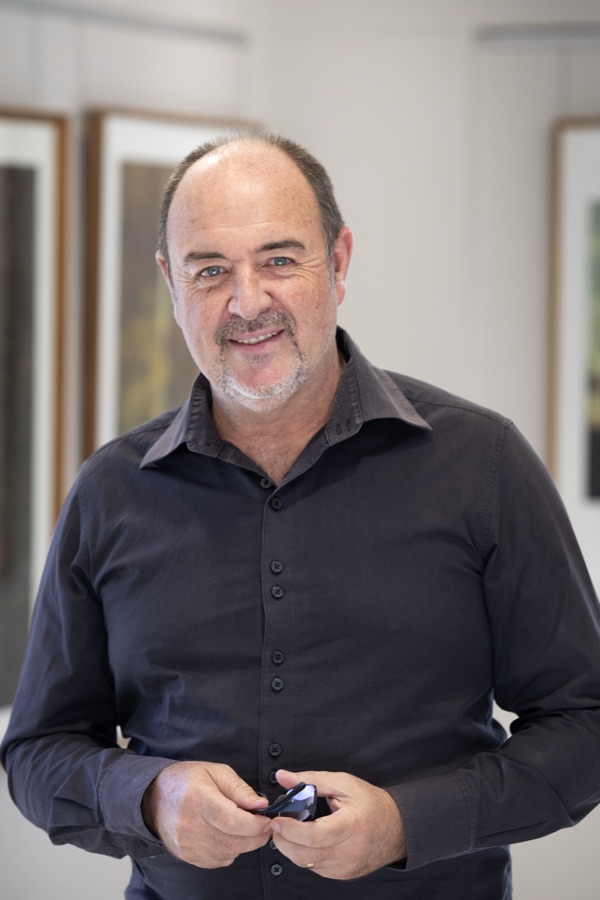
“On film you could not see what you had until it came back from the lab. That is why photography had to be taught in a lecture room with a lighting studio and a darkroom attached. Digital changed the whole game.”
Martin Osner
The old model existed for a good reason. The craft was invisible while you worked, results took days, and the only way to learn lighting, composition and the darkroom was in a room with somebody who already knew. Every photography school in the world was built around that one problem.
Be clear about what did not change. Lighting and composition matter exactly as much today as they did then, and they always will. They are the photograph. Nothing about digital lets you skip them, and anybody who tells you otherwise is selling you something.
What digital changed is the feedback. You see the result the moment you make it, so you can try the same picture twenty ways in an afternoon and learn from every one of them, standing in your own garden. That is as true in commercial photography now as anywhere else. It does not make colleges worthless, but it does mean you should be clear about what you are actually buying from one.
What a photography college still gives you
- The qualification itself. Some corporate employers hire on it, and no amount of good work will substitute if that is the box they have to tick.
- The business of photography. Quotes, invoices, contracts, the things that decide whether you make a living. Once you can make the pictures, this is arguably the more important skill, and a good programme teaches it properly.
- People around you for a year or more, peers and lecturers both.
- Art training alongside the camera, if you are heading into the visual arts rather than photography alone.
Who this school is built for
- Somebody later in their working life, or past it, who wants photography as a creative practice. A university timetable and a long formal programme make no sense for that person, and I tell them so when they ring.
- A younger photographer building their own business rather than waiting to be hired into somebody else’s, who needs to understand the camera properly and make photographs with impact and meaning that are not like everybody else’s.
- Anybody moving towards fine art and exhibition, which is what this school mostly specialises in.
You cannot learn this in isolation, and that is the one real advantage a college has. The people around you. It is why there is an established community here that you walk straight into the day you enrol, rather than something you are left to go and find on your own.
And after all of it, the thing that decides how good you get is practice. Nobody, at any school, can do that part for you.
Route one, learn photography online
Learn photography online, from anywhere in the world
Most of the people who learn with Martin never set foot in Cape Town. The courses are recorded lessons you work through at your own pace, with a live monthly session and a student community where your work is seen, so the recording is not the whole course.
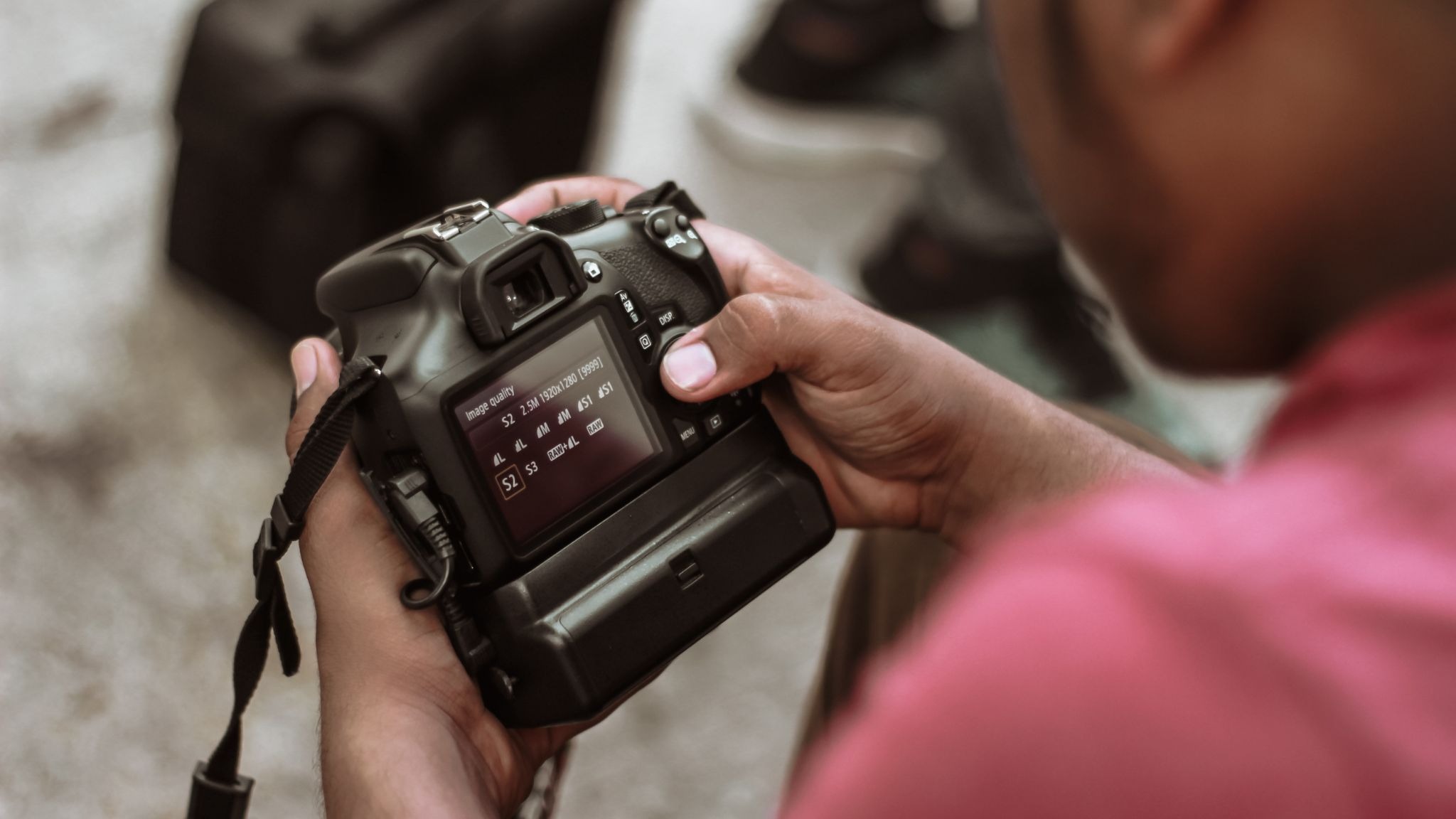
Essentials Photography Course
Online, self paced, pay what you can afford
The course that comes before every other course. ISO, aperture, shutter, light and composition, taught so that they stay with you rather than being memorised for a week. If your camera is still on automatic, start here.
Martin has asked that you pay whatever you can afford for it, so cost is not a reason to wait.
Advanced Photography Course, $600
Six weeks, or at your own pace. For photographers whose pictures are competent and still missing something: advanced exposure, shaped light, and composition beyond the rule of thirds.
Route two, learn photography in Cape Town
Learn photography in Cape Town, in person with Martin
If you are in Cape Town, or visiting, the in person option is a private lesson. Martin teaches from his studio in Hout Bay, out on location around the Cape, and on Zoom for anyone further away. Any level is welcome, and if a course would serve you better than a lesson, he will say so.
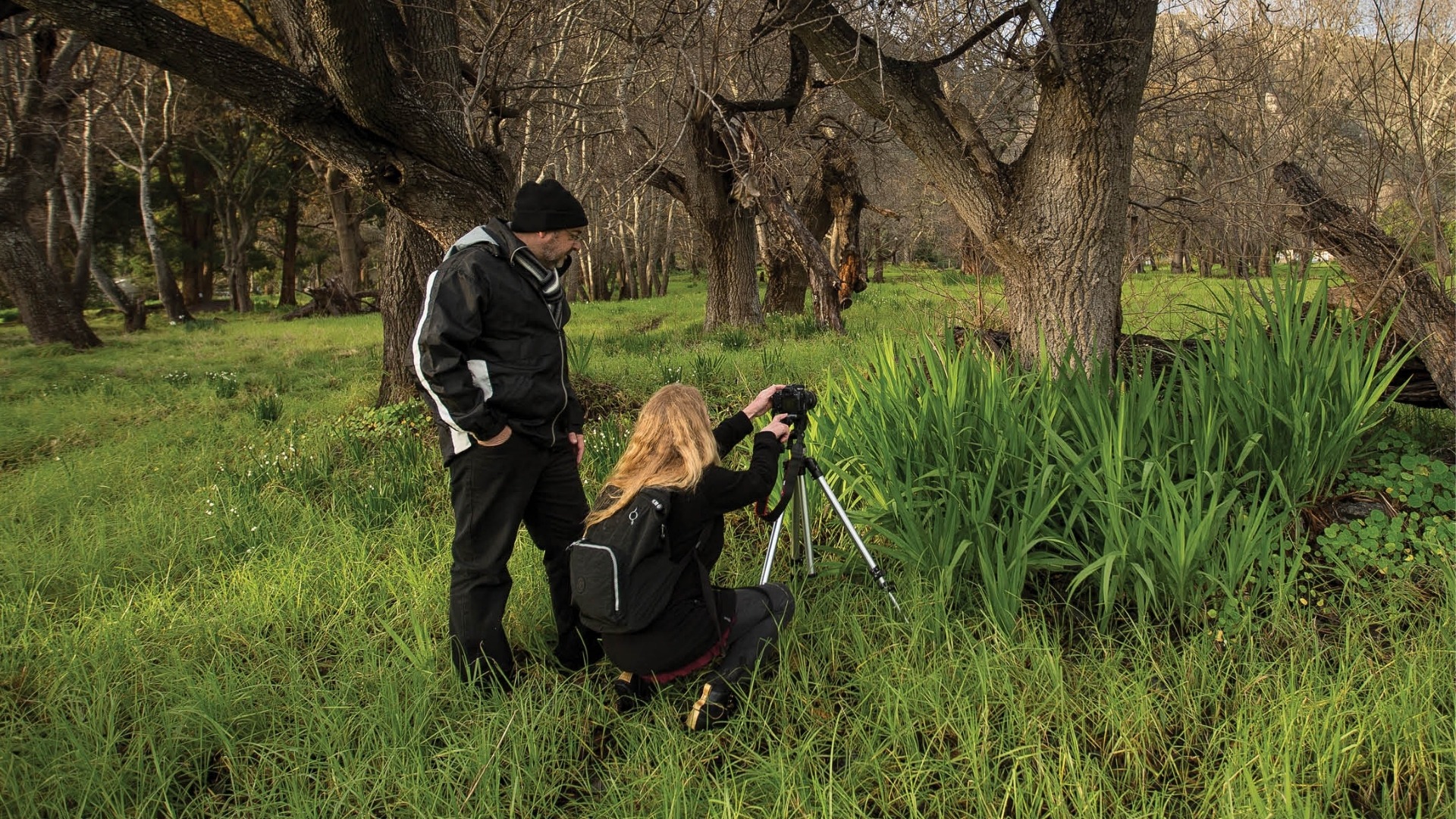
In the studio
Hout Bay, Cape Town
Three hours in Martin’s own working studio, hands on. There is a two person price if you would rather come with a friend or a partner.
From $590
On location
Around the Cape
A half day or a full day somewhere worth working, with the exact spot settled nearer the time around the weather and the light.
Half day from $690, full day from $1,190
On Zoom
Anywhere in the world
One or two hours, recorded and sent to you afterwards. Portfolio reviews work particularly well this way.
From $190 an hour
If you want a qualification rather than a mentor, this is not the place, and these are. The University of Cape Town runs a digital photography short course, CPUT offers a photography diploma, and the Cape Town School of Photography and Orms run part time courses in town. Martin’s school teaches the craft and the art of the photograph, not the certificate.
Route three, learn on a workshop
Learn photography out in the field, on a small group workshop
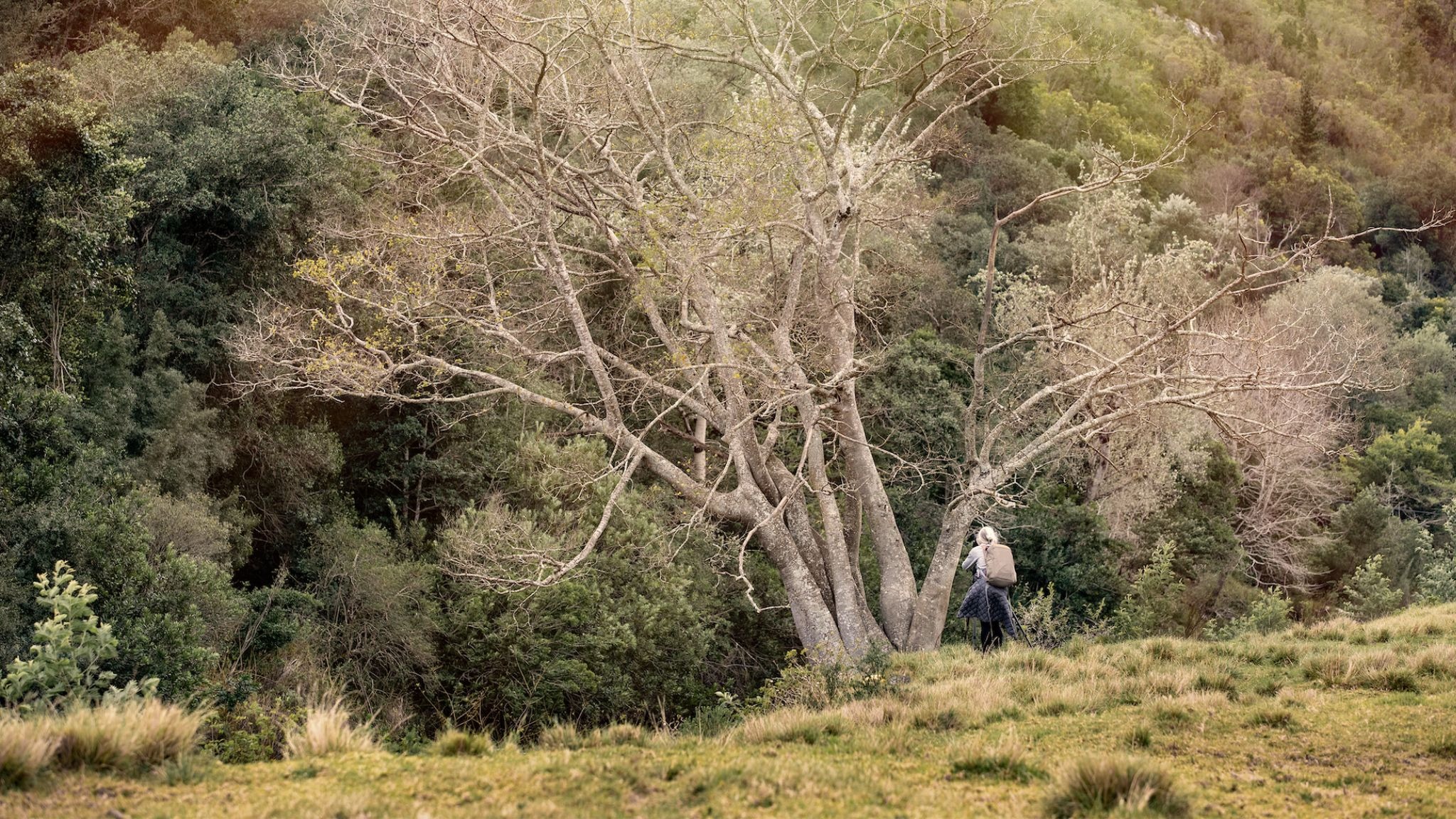
A workshop is a few days somewhere worth photographing, with Martin and Samantha Lee Osner beside you in the field and then in the studio afterwards, turning the pictures into finished work.
Where the workshops run
Dates and prices change through the year, so they live on the calendar rather than here. Learn the camera first, then come, and you will get far more out of the days.
Route four, learn photography as art
If what you actually want is to make art with a camera
This is the question a lot of people are really asking when they search for where to learn photography, and it is the one this school was built for. Photography teaches you to record what was there. Art photography teaches you to say something with it.
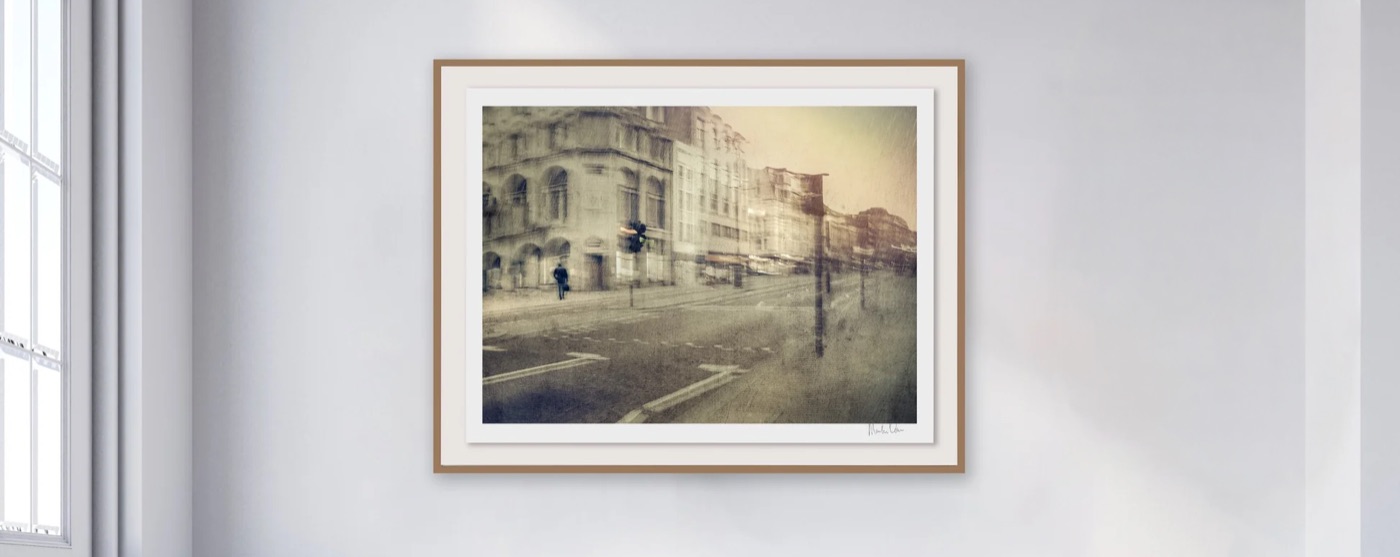
Not sure this is your world yet? Start with the free explainer. Nine hours of Martin’s teaching on what fine art photography is, gathered onto one page, with nothing to buy.
What is fine art photography? Read the full answerGetting Started in Art Photography, $690
The first proper step. Where art photography differs from photography, and how to begin working with intention rather than reaction.
See the Getting Started courseNext Level Fine Art Photography
Taught live by Martin in a small group on a set schedule, for photographers who have done the groundwork and want their work pushed further than a recording can push it.
See the Next Level classBefore you choose
The questions people ask before choosing where to learn photography
These are the questions that come up in nearly every enquiry to the studio, answered the way Martin answers them on the phone.
- Can I teach myself to be a photographer?
Yes, and many good photographers did. The cost is time. Without structure, most people take two or three years to learn what a course covers in six weeks, and without feedback the same faults get practised until they are habits. Teach yourself the camera if you like, but get somebody to look at your work early.
- Where is the best place to start learning photography?
With the camera itself. Exposure, light and composition, in that order, on a course that puts them in order. Everything else, editing, printing and finding a style, is built on top of that. The Essentials Photography Course exists for exactly this, and you pay what you can afford for it.
- How much does it cost to learn photography?
From nothing to several thousand. Free videos cost time rather than money. Self paced online courses run from pay what you can afford to a few hundred dollars. A private lesson with Martin starts at $190 an hour on Zoom. A multi day workshop starts at around $1,200. A college diploma is the most expensive of all, in money and in years.
- How long does it take to learn photography?
The camera, a few weeks of honest work. Seeing, a lifetime, and that is the good news, because it never gets boring. Most people are making pictures they are proud of within a couple of months of starting properly.
- Do I need an expensive camera to learn?
No. You need to understand the one you have. Most people who arrive here own far more camera than they know how to use, and a phone in the hands of someone who understands light beats a professional body on automatic.
- Where can I study photography in South Africa?
For a qualification, the University of Cape Town runs a digital photography short course and CPUT offers a photography diploma, and the Cape Town School of Photography and Orms run part time courses in town. For learning to make art with a camera, in person in Hout Bay or online from anywhere, Martin Osner’s school is the one built for that.
Pick one and start
Three doors into learning photography with Martin Osner
You do not have to get this decision perfect. Plenty of students start online, then book a lesson, then come on a workshop. The only mistake is waiting.
Online, from anywhere
Essentials Photography Course
Self paced, start today, pay what you can afford. The grounding everything else is built on.
START THE ESSENTIALS COURSEIn person, Cape Town or Zoom
Private lessons with Martin
Studio, on location around the Cape, or on Zoom anywhere in the world. From $190 an hour.
BOOK A PRIVATE LESSONOut in the field
Small group workshops
South Africa and France, a few days at a time, with the group kept small. Dates on the calendar.
SEE THE WORKSHOP DATESOr, if it is the art of the photograph you are after, read What is fine art photography first. It is free.