
Art Photography
Sharpness Has a Voice, and So Does Blur
Why chasing sharpness might be costing you creative depth in photography. A look at when to hold focus and when to let blur do the talking instead.
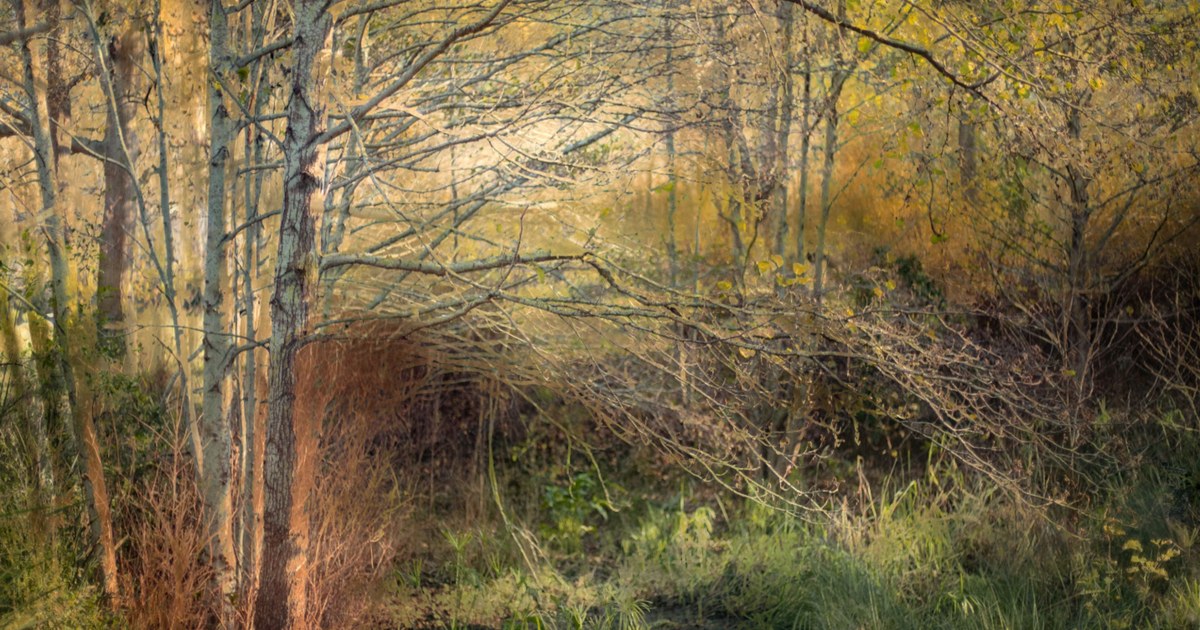
There is a very good chance your camera is outperforming your creative intent. Not your talent, your intent. The part of you that decides what a photograph is actually meant to say.
Ansel Adams put it best. "There is nothing worse than a sharp image of a fuzzy concept." He was a man who understood the zone system better than almost anyone alive, and even he was warning us that technical mastery is not the same thing as artistic mastery. That warning is the subject of a recent video of mine, The Expensive Lie Every Photographer Believes, and it has sparked one of the most interesting comment sections I have had in a long while, so I wanted to bring some of that thinking together here.
The clinical perfection trap
Most of us know the cycle. New camera, new lens, new promise that this time the images will finally land the way we imagine them. The gear arrives, the first shoot feels wonderful because the excitement is doing the heavy lifting, and then a few months later the emotion fades, and we are left looking honestly at the pictures. They are sharp. They are correctly exposed. Friends call them nice. And in high-end photography, nice is a death sentence.
I spent years in that cycle myself, entering competitions and quietly resenting judges who acknowledged my technical polish but withheld the marks I felt I deserved. It took a long time to admit they were right. My work was technically correct and emotionally empty. A fellow photographer once said you could always spot my images because they were technically perfect. I did not take that as the compliment he probably intended.
Henri Cartier-Bresson had a phrase for this that has stuck with me ever since I first heard it. He told Helmut Newton that sharpness is a bourgeois concept, a kind of status symbol, a way of showing off technical polish rather than capturing something true. It is a hard thing to hear if you have spent years chasing corner-to-corner clarity as the measure of a good photograph.
Why blur is not the enemy
Here is the part of the discussion that seems to have struck the biggest chord with people watching the video. Our eyes do not actually see the world the way a lens does. We have foveal vision, a kind of built-in autofocus that draws our attention to one point at a time. A lens, left unchecked, records everything in sharp focus simultaneously, and that is not how we naturally look at anything. It can leave a photograph feeling busy, with nowhere for the eye to rest and no clear instruction from the photographer about what actually matters.
That is what selective sharpness and selective blur are really doing. Sharp says look here. Soft says rest, or move on. A photograph that uses both with intention reads like a sentence with punctuation; it has pace and emphasis, rather than being one long unbroken shout.
What the comments told me people actually connect with
The response to the video has been genuinely illuminating, and a pattern emerged that I think is worth sharing on its own. The photographers who wrote in with the most feeling were not the ones defending sharpness; they were the ones describing a moment when an imperfect image became one of their favourites anyway. A shot that was not quite pin sharp, but that captured a relationship, a gesture, or a piece of behaviour that a technically flawless version of the same scene would likely have missed entirely. That tension, between wanting the discipline of good technique and trusting a moment that technique alone could not have manufactured, came up again and again.
There was also a healthy pushback in the comments worth acknowledging honestly: the observation that we are not eagles, that our own eyes do not resolve the world with the clinical clarity a modern lens can achieve, and that many of the photographers and painters we most admire never worked that way in the first place. It is a fair challenge, and it lands well alongside the video's central point: sharpness is a tool for emphasis, not a default setting.
And a few people raised the completely reasonable question of whether any of this means gear does not matter. It does. A camera that removes friction, that lets you slow down and actually study a scene before you press the shutter, is genuinely useful. The mistake is expecting the equipment to do the seeing for you. As Ansel Adams put it, the single most important component of a camera is the twelve inches behind it.
Where to take this next
If any of this is landing with you the way it landed with me, watch The Expensive Lie Every Photographer Believes in full.
And if you want to go further than a single video can take you, Going Further in Art Photography at the Art Photography Academy is where these ideas stop being a discussion and become practice.
Sharpness has a voice. So does blur. The real skill is learning when to let each one speak.
The newsletter
Get the next article by email
New articles, classes and workshops, sent now and then. Nothing else.
Thank you. Please check your inbox and click the link in the confirmation email to finish signing up.
We send one email to confirm your address. You can leave with one click at any time.
Keep reading
More articles
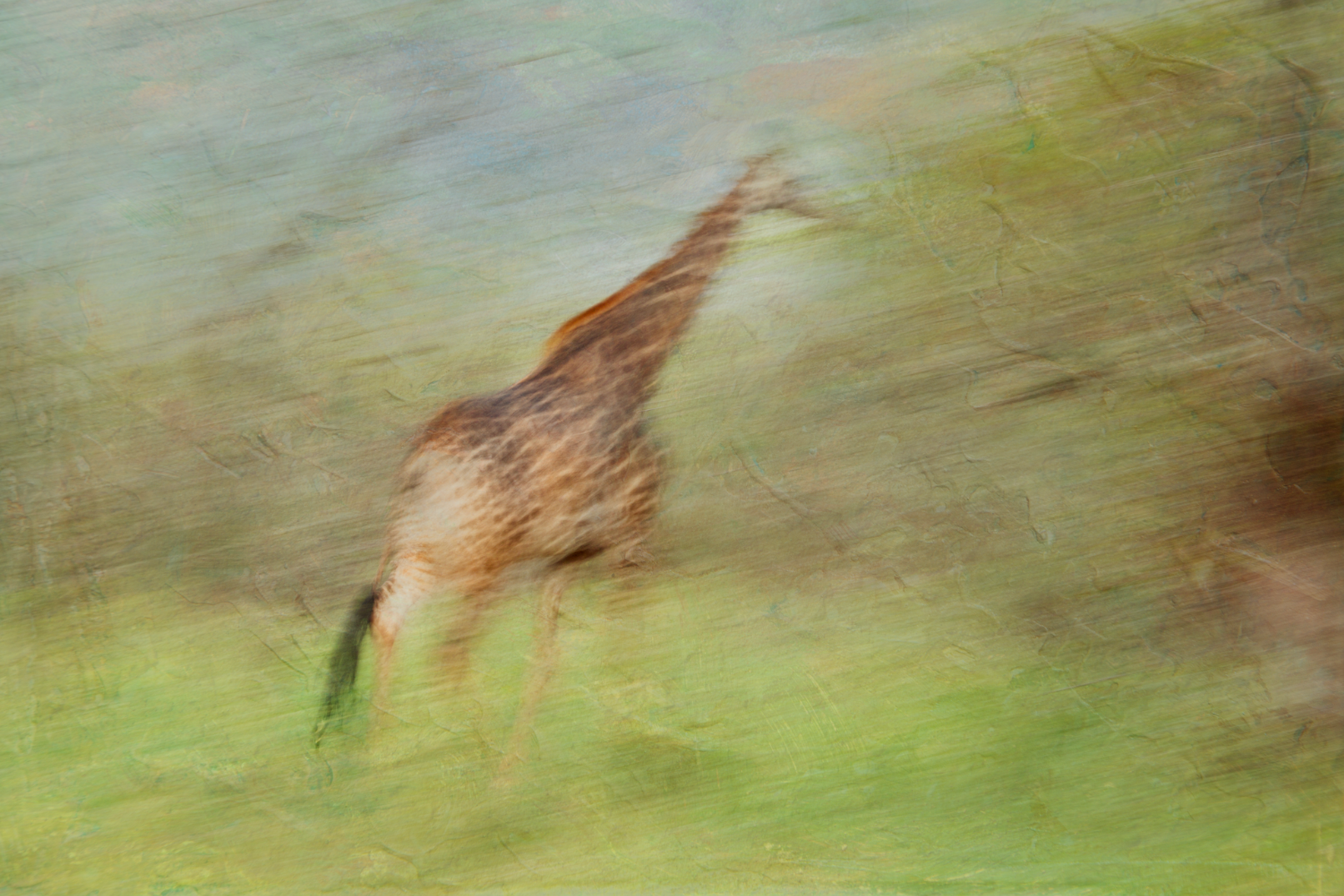
'Expressions of the Wild' - A Photo Alchemy Experience
How a giraffe, seen for a moment in the bushveld at Marloth Park, became an artwork. Camera movement, handmade texture, and the Photo Alchemy process.
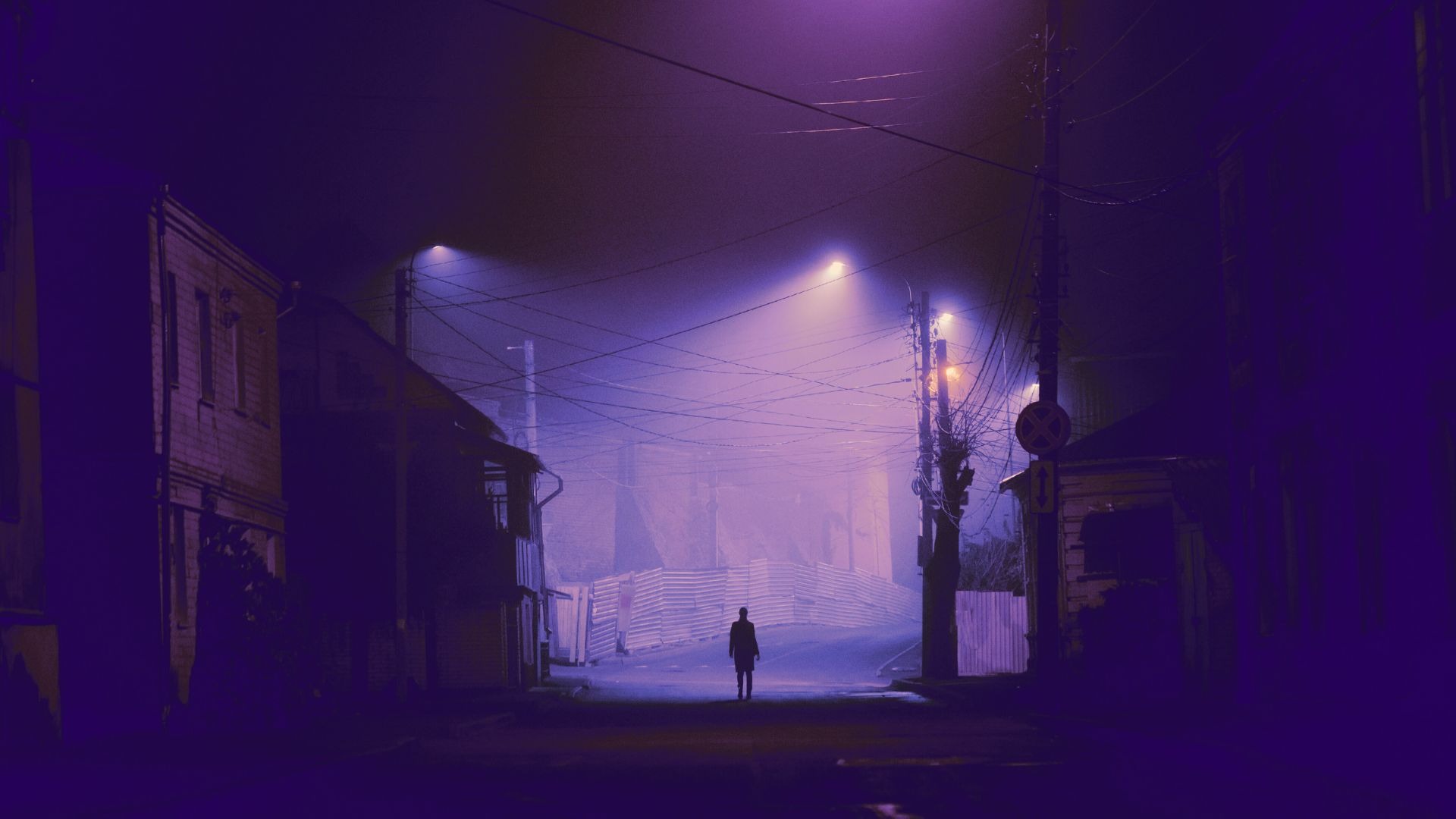
Breaking Free from the Lonely Art of Art
Making work alone is not the same as making it in isolation. Why creative partnerships matter, and how to find people who actually see what you are doing.
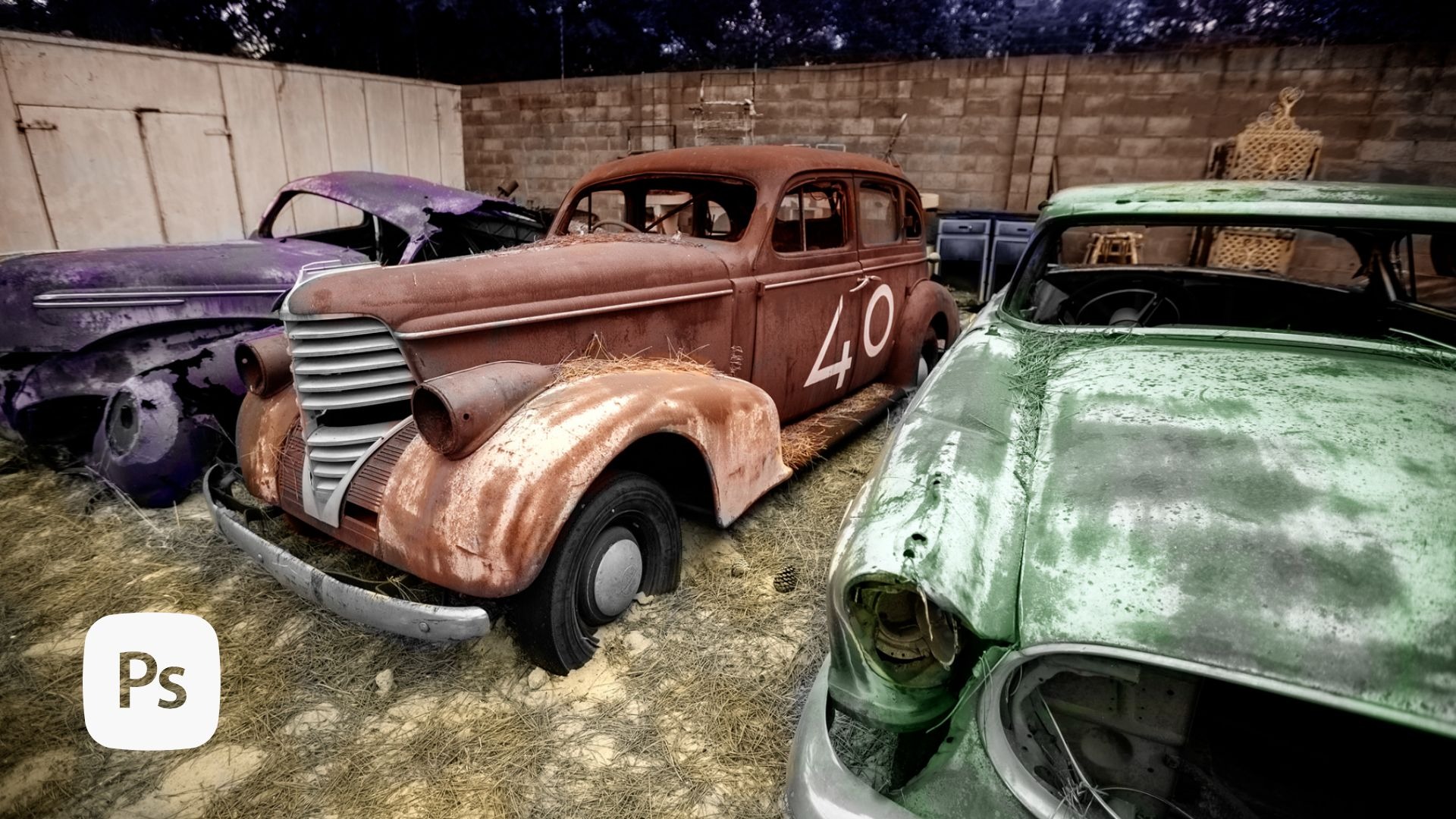
The Art of Digital Hand-Painting in Photoshop
Samantha Lee Osner takes a black-and-white photograph and paints it by hand in Photoshop. No painting experience is needed to follow what she does.